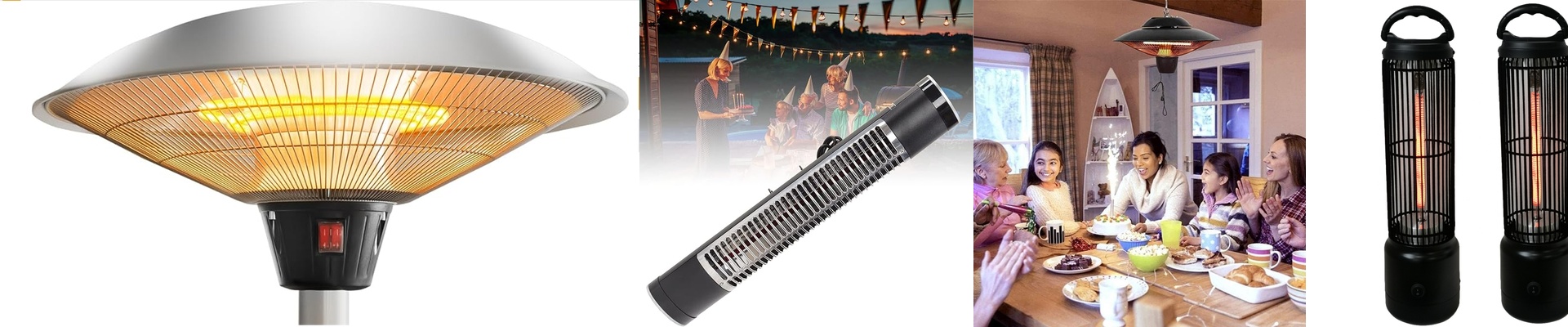
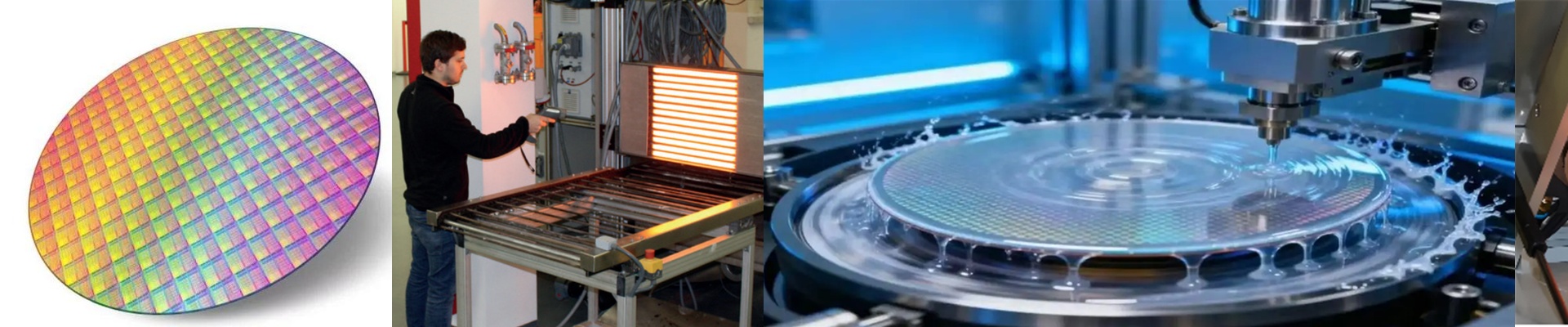
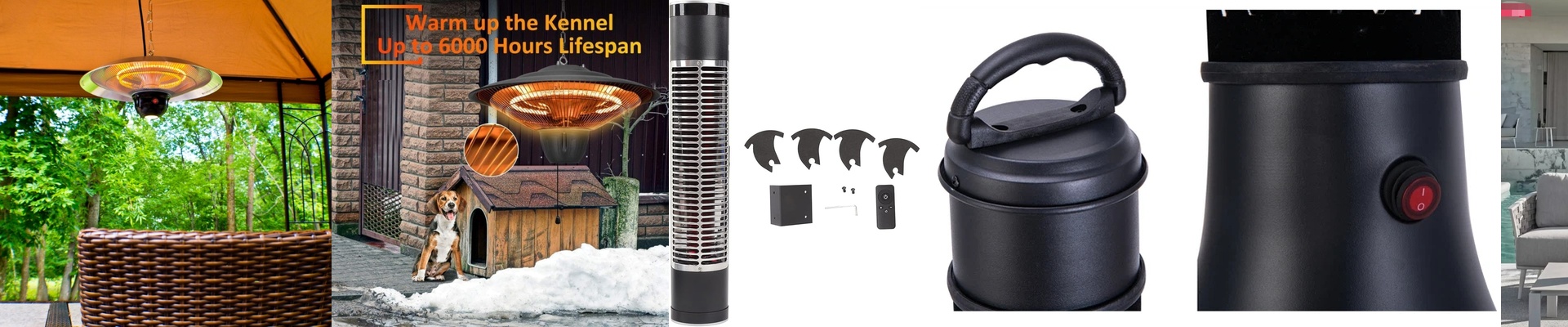
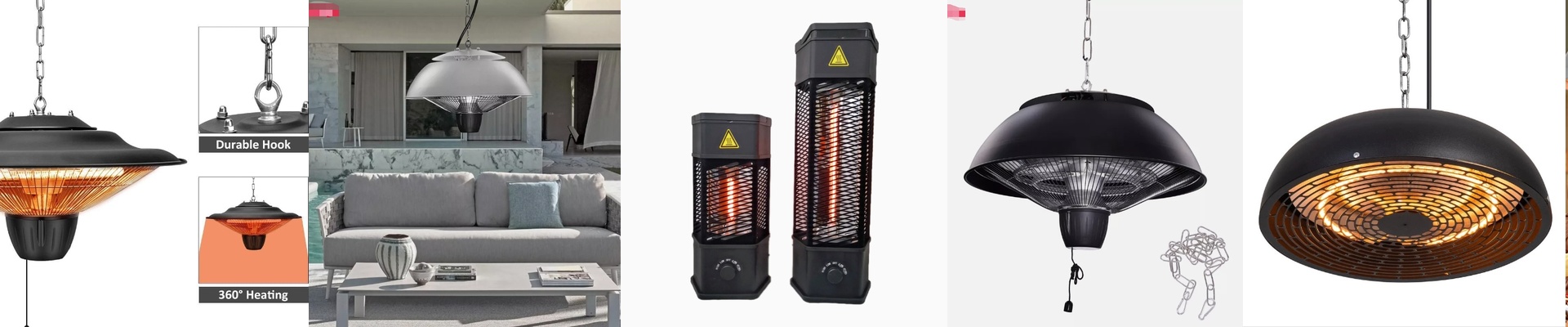
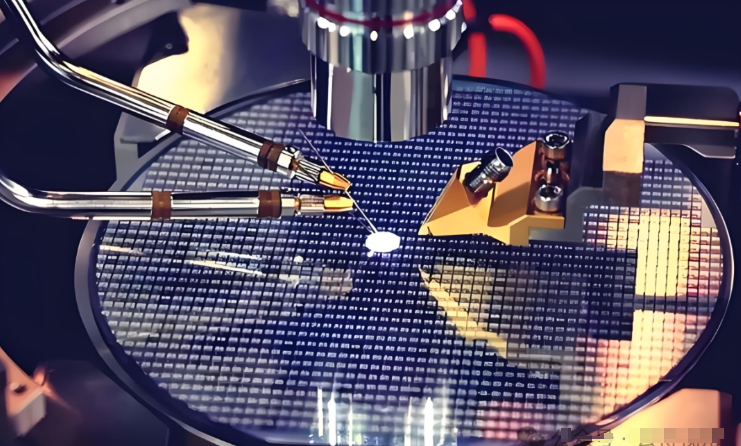
On the floor, yield comes down to heat control. Let the soft bake drift even a couple of degrees and you start to lose critical dimension control. A drying step that sheds particles is a one-way ticket to defects. We built our industrial wafer drying heaters to live with that reality, not fight it. What matters under the hood We run short-wave halogen quartz emitters for fast, directional response, and close the loop so wafer-level uniformity holds at ±0.1°C. You get repeatable temperature across the chuck, not just at the sensor. These heaters run clean in Class 1–100 spaces—zero particle generation, backed by in-situ particle counts. Reliability is 24/7. Service intervals clear 5,000 hours, and lamp output stays within 2% over life. Power density is tuned to match the thermal budget, and the footprint drops straight into standard tracks and coaters. Why it sticks in the process In wafer drying and cleaning, the heater drives Marangoni and IPA-assisted steps that leave surfaces spot-free. In photoresist, it nails soft bake and hard bake with tight temperature repeatability—stabilizing viscosity and solvent removal so lithography overlay and CD uniformity stay in spec. In packaging, it gives you controlled curing for mold compounds and underfills, cutting voids and warpage. The payoff is shorter cycle times, less scrap, and predictable energy draw. The details that bite you if you ignore them The heaters line up with SEMI standards and common interfaces, but integration isn’t plug-and-play. Pay attention to airflow direction, exhaust balance, and the thermal mass of the carrier. Match voltage and connector type to the platform. Lamps take a short ramp-up to condition. Once that’s done, the setpoint holds steady.