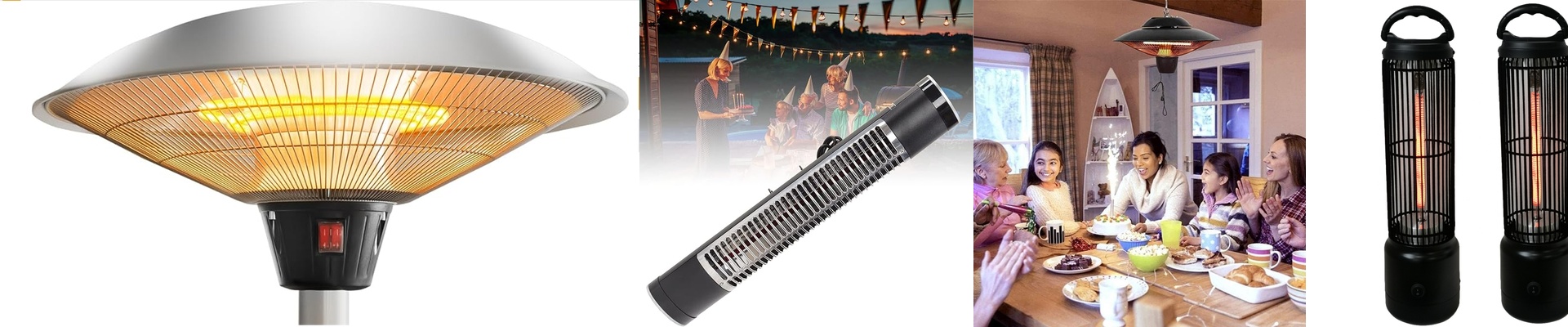
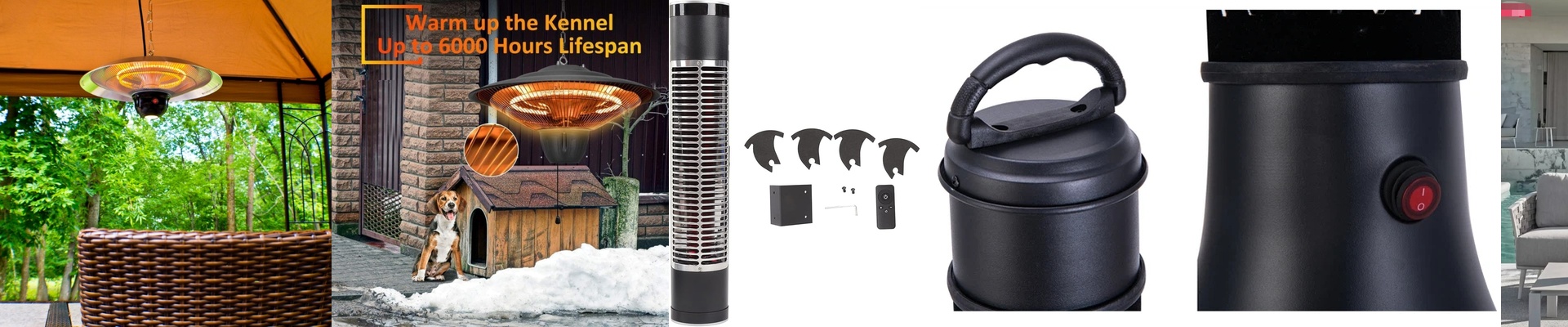
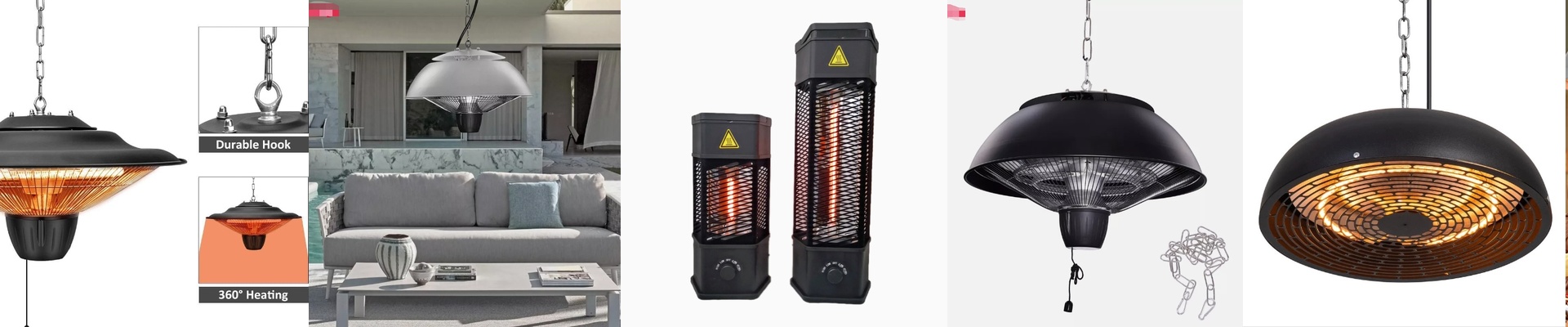

Step from a brisk breeze into a coffee shop or onto an exposed platform, and the air tells you everything. When it’s cold, that air turns unwelcoming—chasing customers away and making commuters miserable. Traditional heating chokes in these in-between spaces: big volumes, doors that stay open, and drafts that never quit. The fix isn’t to throw more hot air around. It’s to put warmth right where people stand.
What matters under the hood
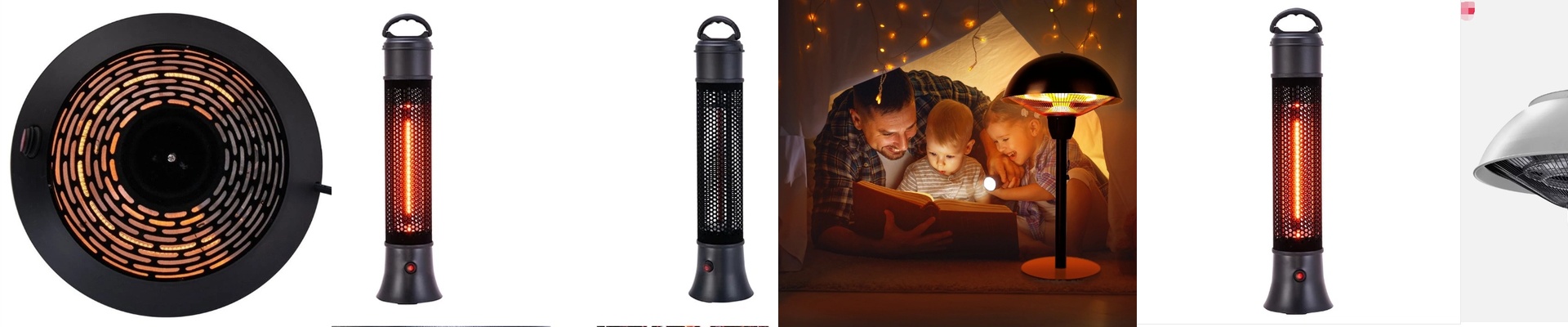
We build our fan heaters around efficient infrared heating elements—quartz tubes or carbon fiber emitters. These throw radiant heat, warming people and surfaces directly instead of wasting time heating the air. You feel it almost the instant the unit comes on, with no wait for a fan to push hot air that just rises and vanishes.
We pair that with a quiet, low-velocity fan to spread the warmth across a wider footprint and keep coverage even. The payoff is a focused comfort zone, not a noisy blast.
Why this approach holds up in real-world spots
In commercial and transit settings, comfort comes down to speed and reliability. Infrared warmth starts the moment you flip the switch, so customers feel cozy as they order and staff stay comfortable through long shifts.
Because the heat is aimed downward and outward, you’re not throwing energy at the ceiling or watching it escape every time a door opens. That focused delivery keeps energy use in check while the space stays stable and welcoming. For station managers and café owners, that means happier guests, better staff morale, and a more consistent feel inside—no matter what’s happening outside.
The details that make the difference
Infrared fan heaters do their best work when mounted at the right height and aimed to cover the main standing or sitting areas. They need access to standard power circuits, and while they’re built for outdoor-rated use, placement still matters. Keep them out of direct water and respect the clearances.
For the strongest results, position the unit to create a gentle warmth envelope, and consider adding a thermostat for steady, hands-free control. One practical note: radiant heat warms what it hits, so spacing and angle are how you avoid uneven spots.