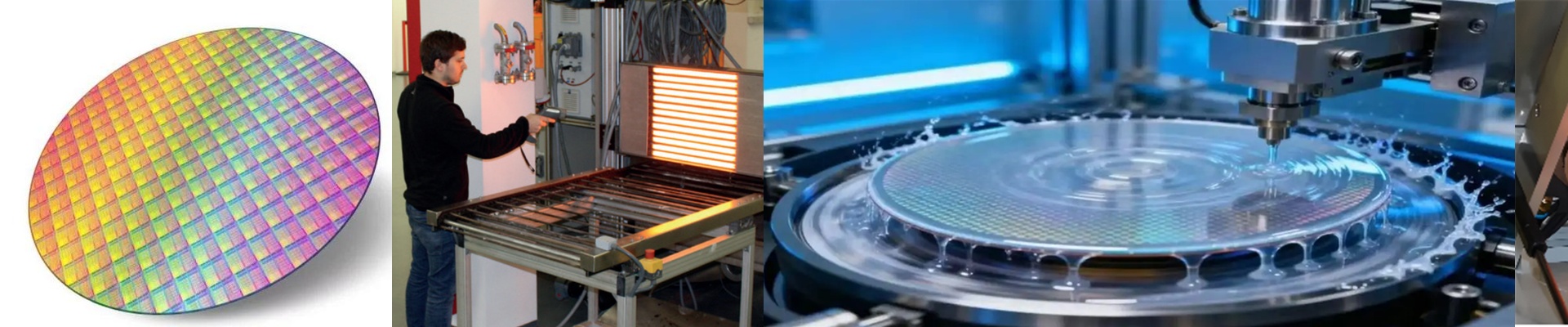

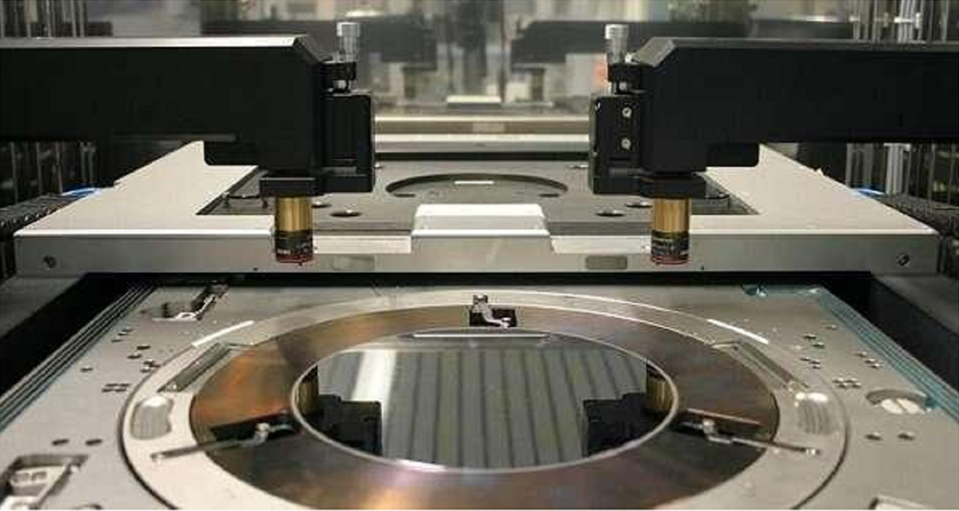
On the litho floor, photoresist bake isn’t a warm-up. It’s a dimensional lock.
A 1°C drift in soft bake or hard bake moves critical dimension (CD) and sidewall angle, and the scrap pile climbs fast. In vacuum processes, conventional heaters can outgas, shed particles, or deliver uneven heat. You end up trading yield for uptime.
What matters, technically
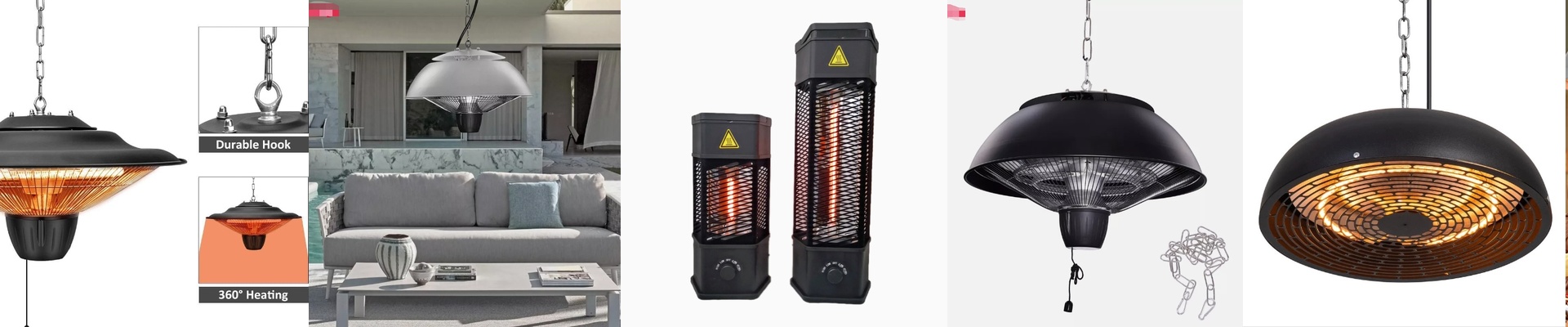
We built a vacuum-compatible infrared heater around short-wave NIR sources in a quartz-and-reflector assembly. The point is direct, rapid energy transfer into the wafer and substrate.
You get wafer-level temperature uniformity within ±0.1°C across the active zone, and setpoint repeatability better than ±0.5°C over 24 hours. In the cleanroom, it runs Class 1–100 compatible, with zero particle generation verified at the tool level. It holds vacuum integrity down to 10⁻⁶ mbar, and the thermal profile stays stable through repeated bake-cool cycles—exactly what photoresist thermal budget demands.
Why it works in production
When the chamber door closes, you need thermal control that behaves predictably. This heater stabilizes fast, cutting idle time between bake and exposure while keeping photoresist flow and residual solvent within spec.
Tight uniformity shrinks across-wafer CD error, and repeatability tightens lot-to-lot variation, so process capability improves. Energy use drops because NIR heats the load directly, not the chamber walls, and the long source life means fewer PM windows.
On the line, that means fewer retries, less scrap, and yield you can actually plan around.
What you need to know up front
Installation means matching the heater footprint and feedthrough to the chamber port. You also have to verify reflector alignment on the first run—otherwise, you’ll get localized hot spots.
The heater only delivers rated output when load emissivity and wafer backside conditions are controlled. Thin films and reflective substrates may need a tuned recipe. And plan the thermal budget around bake-cool ramp rates to avoid stress-induced defects.
Once aligned, the system runs with minimal drift—reliable, repeatable, and focused on the process.