What’s Really Happening Under the Hood
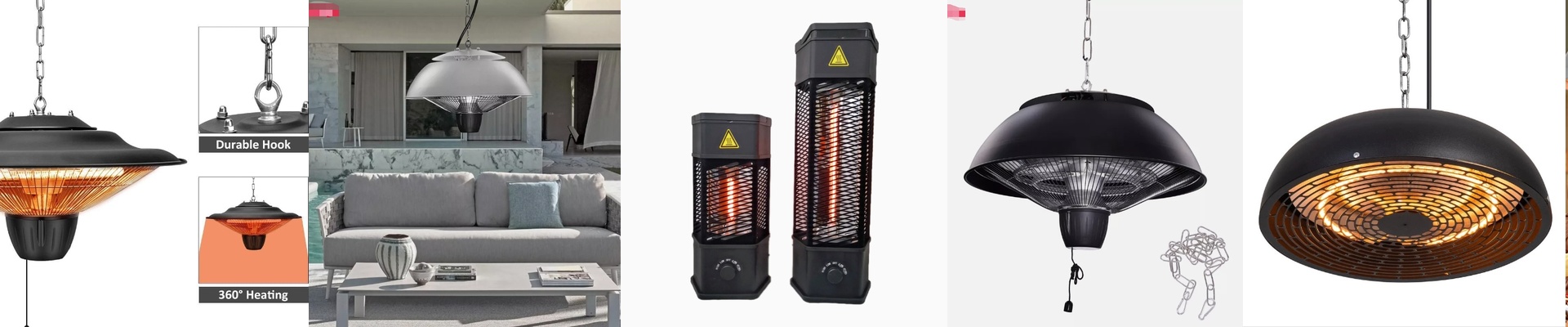
When we size up a heater for a big space, we’re not just tossing in a box that gets hot. We’re building a system that delivers controlled heat, on purpose. With infrared, how fast it fires up tells you a lot about the heart of the machine. A heater that comes on instantly? That usually means a pure, dense core that turns electricity into heat without messing around. If it hesitates or warms up slowly, you’re often seeing impurities or a weaker alloy that wastes energy heating the element itself before it can even throw off useful warmth.
Power, Voltage, and the Real-World Math
We match these heaters to the electrical setup your plant already has—usually 230V or 400V. And that wattage, say 2500W, isn’t pulled from thin air. It’s worked out to hit a specific heat density per square meter. In a large area, you need that higher wattage so the infrared energy can reach through the air and warm objects and people directly—not just warm the air. The combo of voltage and wattage determines the current draw, and that tells us exactly what wire size and contact ratings we need. The result? A heater that runs safely, reliably, and without guesswork.
Why the Halogen Tube Matters
Our heating tubes are built with a halogen-filled quartz envelope, and that choice is everything. The halogen cycle keeps the tungsten filament clean, so the lamp stays bright and consistent over time instead of dimming and blackening. And we use the R7s base because it’s the industry standard for double-ended tubes. It gives you a secure, high-temperature connection that handles thermal expansion without loosening. We also coat the reflector to focus the energy forward, so less heat is wasted and more goes exactly where you need it.
Where It Shines—and What to Watch For
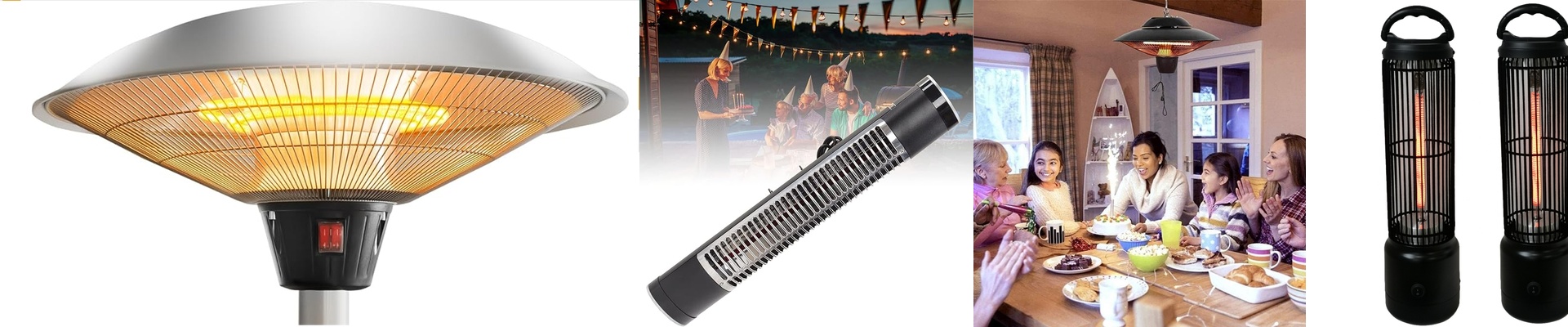
These heaters are made for industrial life—the kind of spaces that take a beating and can’t afford to wait. You get instant radiant heat, which is perfect for workshops and warehouses where waiting around for convection heat slows everything down. But there’s a trade-off you should know up front: high-intensity radiation means you need proper clearances and a solid plan for cooling nearby equipment. The quartz tube gets seriously hot—hot enough to burn skin or ignite debris. So installation rules aren’t optional. We bring the heat. You’ve got to manage the space around it.