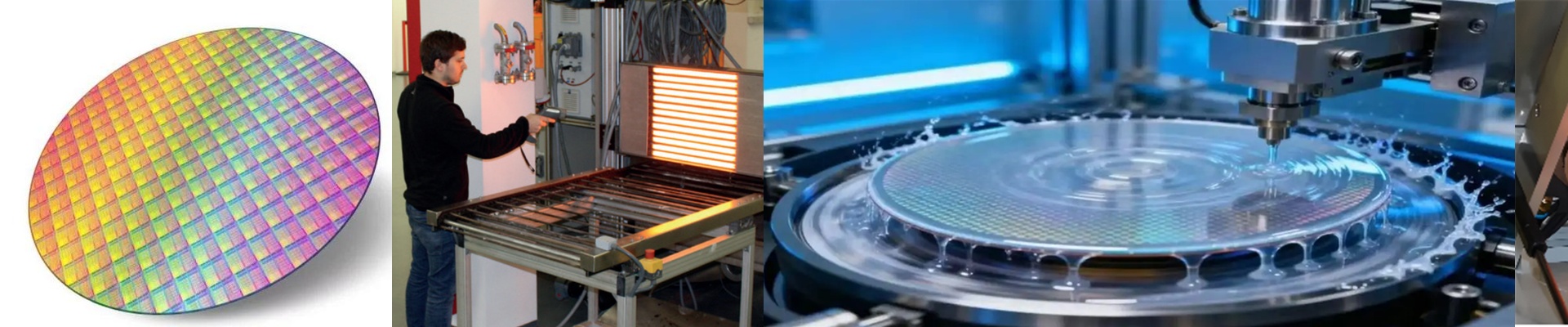
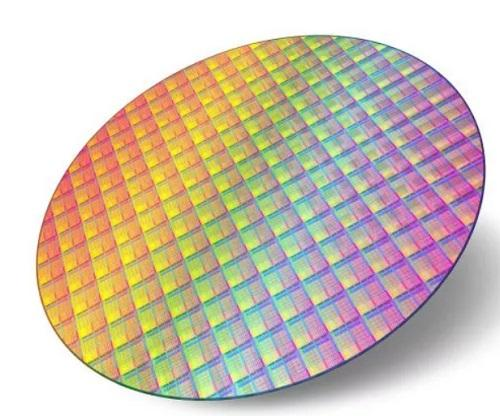
On the fab floor, the thermal budget on photoresist isn’t something you negotiate. Soft bake drift by a single degree? That’s enough to throw off critical dimension control and take yield with it. The R7s infrared heating bulb was built to stop that drift at the source. What matters under the hood The R7s hits the wafer with short-wave infrared and responds fast, locking temperature down in seconds. You get wafer-level uniformity that holds at ±0.1°C across the bake surface, and setpoint repeatability that stays put run after run. It runs clean in Class 1–100 environments with zero particle generation, so contamination doesn’t sneak into lithography or etch. The quartz envelope and standardized R7s base make integration into existing track and bake modules straightforward, and the thermal profile stays consistent even when you’re running 24/7. Why it plays well in photoresist processing In soft bake and hard bake, the R7s keeps temperatures exactly where they need to be, which tightens CD uniformity and cleans up sidewall profiles. Better thermal control shortens ramps, trims energy use, and keeps scrap out of the bin. You’ll see fewer line-down events from lamp drift, and longer intervals between maintenance. For etch and clean steps that rely on a predictable thermal history, the bulb preserves the thermal budget without overshoot or lag. Here are the practical details Installation needs matched socket alignment and clean electrical contacts—misalignment will create local hot spots. Before you mount it, verify your equipment’s voltage and fixture tolerances, and make sure the thermal controller can keep up with the fast response curve. Plan replacements by accumulated hours to maintain uniformity, not by waiting for a failure.