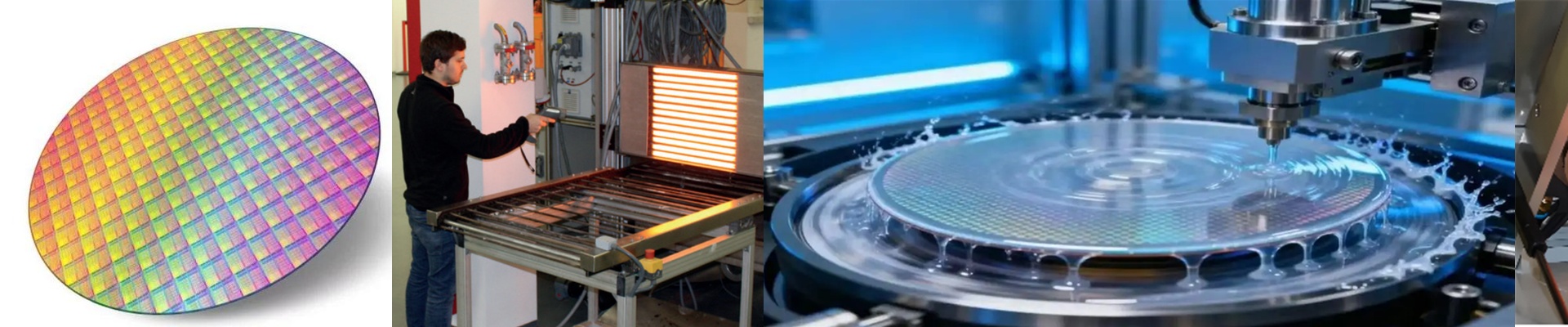
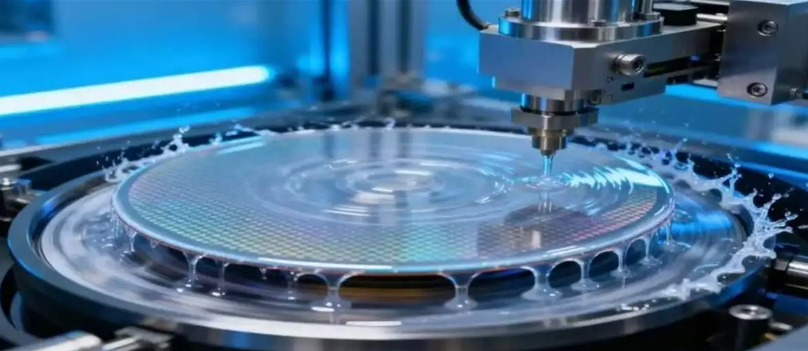
Out on the fab floor, you know how it goes. A soft bake that drifts even half a degree can shift your exposure latitude. Run the hard bake a touch hot at the edge, and good lots turn into scrap before you can call the line. Wafer heating support has to earn its keep in the hot zone—no hand-waving, just solid thermal control while the cleanroom air sits quiet. What matters under the hood We design wafer heating around semiconductor thermal budgets, not some generic heating box. The system holds ±0.1°C uniformity across the wafer, so photoresist viscosity and solvent removal stay in spec. Cleanroom compatibility isn’t an add-on; materials and surfaces are picked to keep particle generation down, fitting Class 1–100 without stacking on extra filtration. Repeatability is baked into the control loop and sensor placement. You get the same temperature at the same spot, lot after lot. Reliability shows up as uptime—components and lamps are rated for 24/7, with maintenance you can plan instead of chasing downtime in the middle of a run. Why it plays in lithography In lithography, the bake step sets up linewidth control. Tighter thermal uniformity cuts edge defects, trims rework, and shortens qualification cycles. Better repeatability means less time retuning recipes after preventive maintenance, and fewer excursions that trace back to the hot plate. No drama—just stable yield and throughput you can count on. A few practical notes The platform works with standard wafer chucks and common interfaces, but the thermal stack is sensitive to mechanical tolerances. Plan a baseline alignment and thermal verification after install, and make sure your exhaust and coolant lines match the footprint. Treat the process window as part of the system, not something you tack on after the fact.