
Introduction
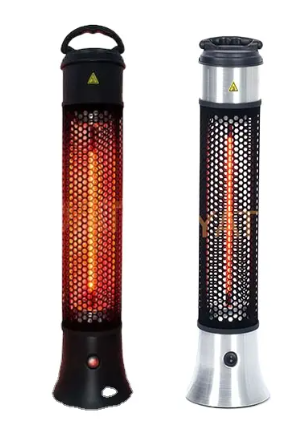
When we built these infrared halogen heaters, we had two things on our minds: staying safe and holding onto the heat. The whole point is simple—give you intense, focused warmth right where you need it, but also make sure the thing shuts off the second it tips over. And that same design is why, even after the lamp turns off, the air around it stays cozy for a while.
Power, Voltage, and the Right Shape
Inside these heaters is a shortwave infrared halogen element that runs at high wattage. The tube isn’t just a random length—we make it about 300mm for a reason. That size packs a serious amount of heat into a small footprint, so the heater gets up to temperature fast. We match the electrical specs to real-world industrial power, often running on 400V. That handles the heavy current draw without wasting energy or losing power down the line. And the tip-over protection? It’s a direct, mechanical switch wired straight into the circuit. If the heater leans past the safe angle, the power cuts off instantly.
Why It Stays Warm After Shutdown
That lingering warmth you feel isn’t a trick—it’s just physics and the materials we chose. The quartz tube and the halogen gas inside hold a lot of heat. While it’s running, they soak up thermal energy and store it. When the lamp shuts down, that stored heat radiates out as low-wavelength infrared. The machines, the walls, even the floor nearby absorb it and keep gently re-radiating it, so the area stays warm. And the R7s base isn’t just there for looks—it’s a tough, high-temperature connection that stays solid when things get hot.
What This Means on the Floor
In an industrial setting, this means your localized zones warm up quicker, and the heater doesn’t have to cycle on and off as much. It delivers heat exactly where you need it, and even after it’s off, the materials keep doing their job—keeping the target area warm without drawing continuous power. That helps keep energy use in check. Now, a heads-up: this is dense heat. A 2500W unit throws off a lot, so your cooling setup needs to be up to the task. And that tip-over switch? It adds real peace of mind, because you won’t have a heater running on its side unattended—which could damage the tube or nearby equipment.