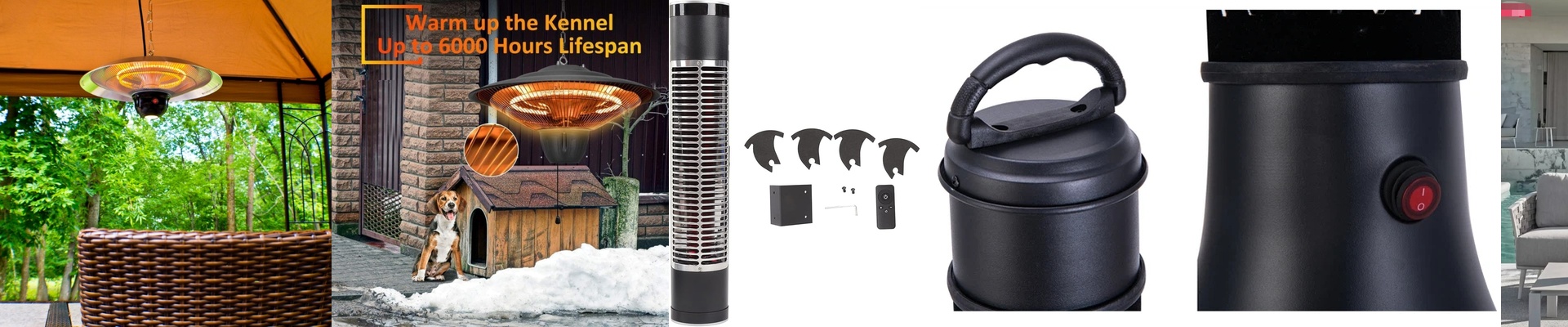
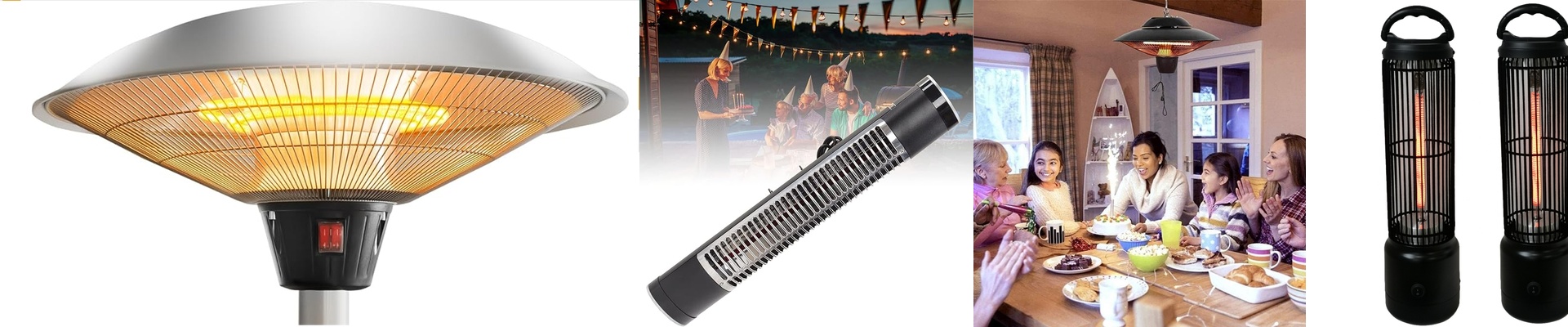
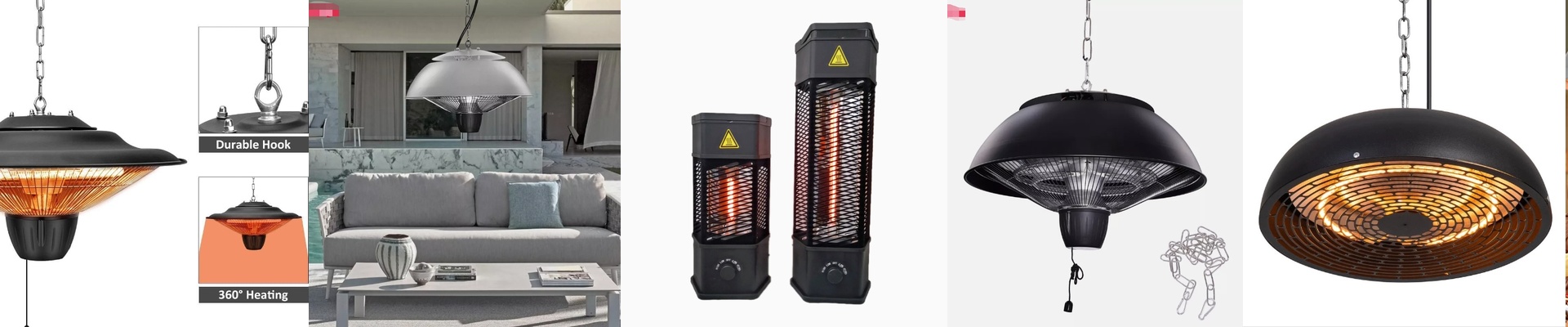
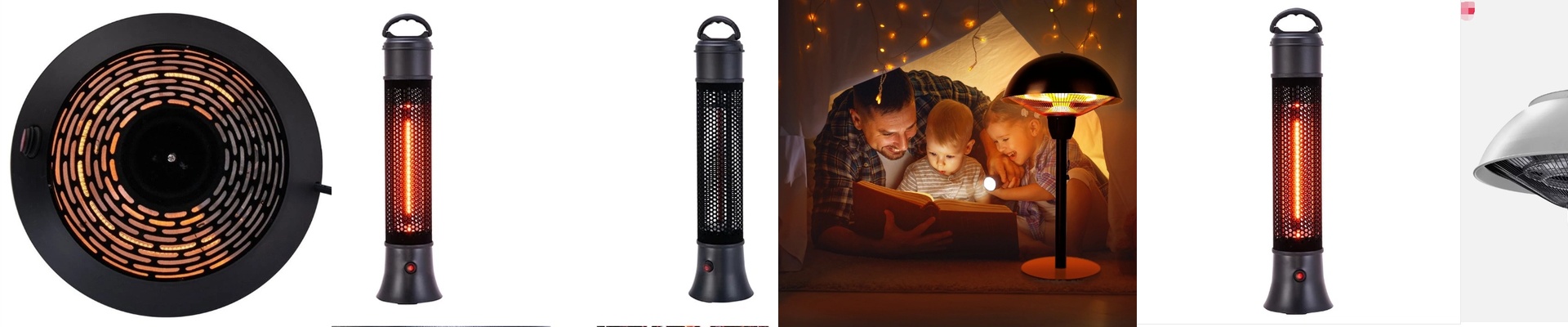

Let’s be honest: ceiling heaters in industrial spaces have a rough life. Between the damp air and the constant layer of grime, most of them just aren’t built to last. We’ve seen too many units give up the ghost way too early, so we decided to build something that actually survives the chaos. Our latest line is all about staying dry and staying clean. Here is the problem with quartz and halogen tubes: they hate water. If a stray droplet hits a red-hot emitter, the glass can crack instantly or the filament just snaps. It’s a nightmare. To stop that, we wrapped everything in a sealed housing and added a hydrophobic coating to the lens. Basically, moisture can’t stick to it. Instead of fogging up and blocking the heat, the water just beads up and rolls away. Plus, we made the whole chassis splash-resistant. You can put these in humid spots or areas with a bit of spray and not spend your weekend worrying about a short circuit. And that’s a huge win for your sanity. Most heaters fail because gunk gets into the connectors and eats away at the metal. We sealed those electrical junctions tight. No corrosion, no random outages, and way less time spent on a ladder replacing parts. You get a steady, consistent heat because there’s no condensation acting like a curtain between the heater and the floor. Now, there is one small catch. Because we added this protective shielding, you lose a tiny bit of raw heat—maybe 3% to 5%. But look at it this way: would you rather lose a sliver of heat, or replace a cracked tube every six months? We’ll take the trade every single time. Just a heads-up: the reinforced housing makes these a bit heavier than the cheap stuff. When you’re installing them, just make sure your brackets are bolted into something solid.