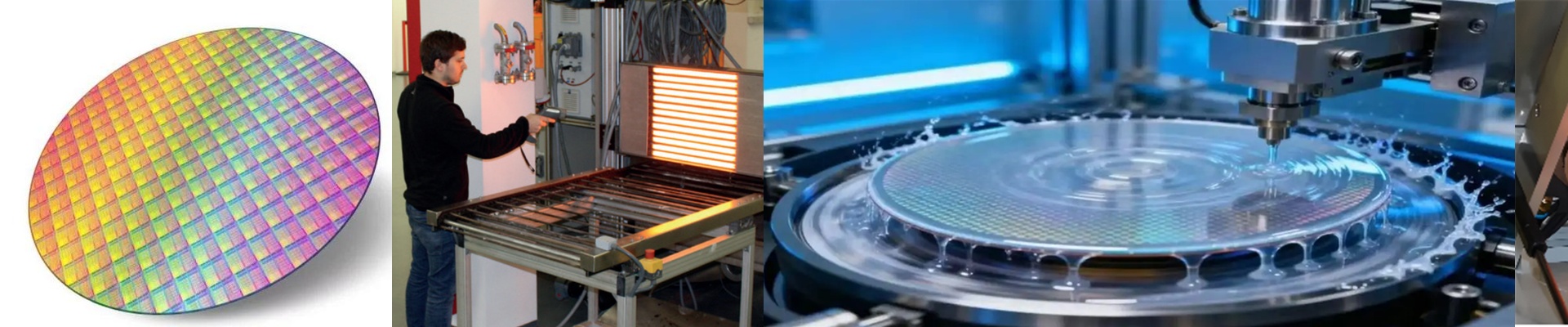
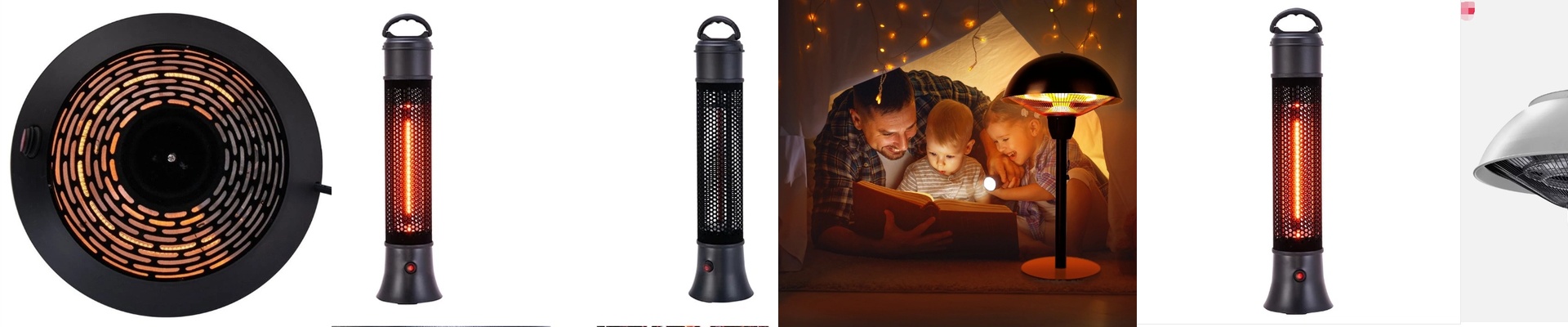
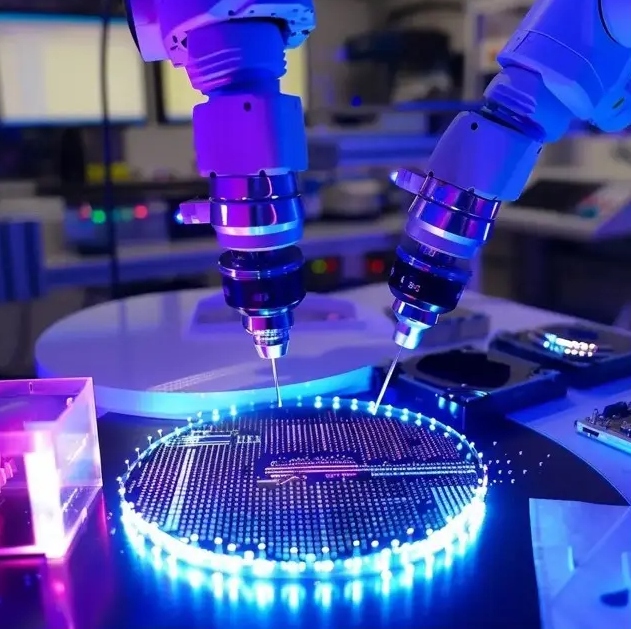
On the line, the photoresist bake is where you set the thermal budget. If the hot zone drifts or the glass starts to warp, the overlay budget disappears and yield takes a hit. In an LCD panel fab, the substrate is big, thermally sensitive, and doesn’t forgive sloppy control. We built our infrared heaters to keep that thermal profile stable, repeatable, and under control.
What Matters Technically
Our NIR heaters hit sub-millimeter uniformity across large-area substrates, with wafer-level temperature stability of ±0.1°C across the bake surface. The quartz-halogen emitter array delivers dense heat flux that responds fast, and it’s mapped and controlled tightly, so the setpoint stays within tight tolerances from soft bake through hard bake. Cleanroom Class 1–100 compatibility is engineered in from the start. Low-outgassing materials, sealed junctions, and an optimized airflow interface keep particle counts flat and prevent contamination drift. Zero particle generation during thermal cycling protects the photoresist stack.
Why It Works Here
In lithography, the bake isn’t a standalone step—it enables the whole process. Tight thermal uniformity cuts CD variation and line-end shortening, and repeatability keeps the bake signature consistent lot-to-lot. Fast thermal response shortens cycle time without overshoot, and high coupling efficiency lowers energy draw per panel. The outcome is fewer reworks, less scrap, and line capability you can count on.
Things to Know
The heaters are compact and modular, but integration isn’t plug-and-play. You have to match lamp output to chamber geometry, calibrate the pyrometer to the glass emissivity, and get the airflow profile aligned to hit the published uniformity. Plan a short commissioning run to tune the PID maps for your substrate stack and conveyor speed.