Introduction
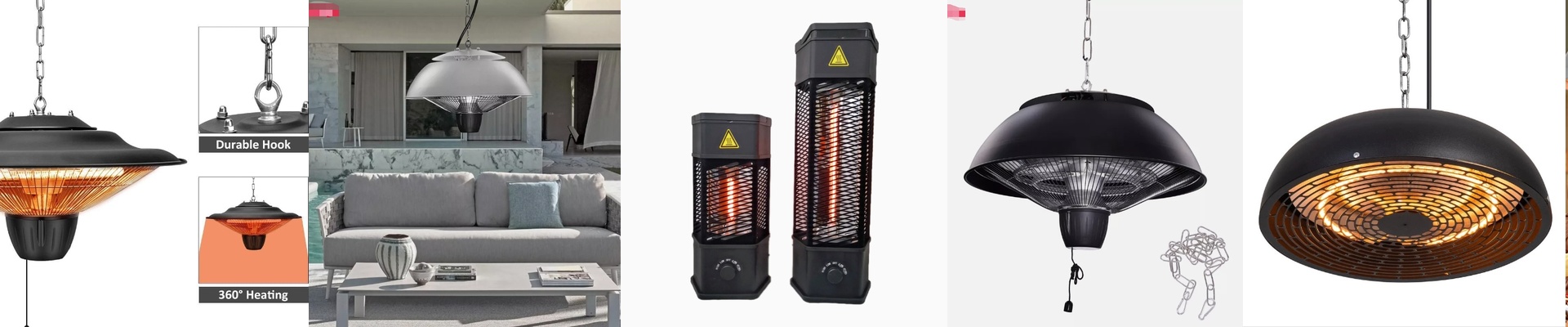
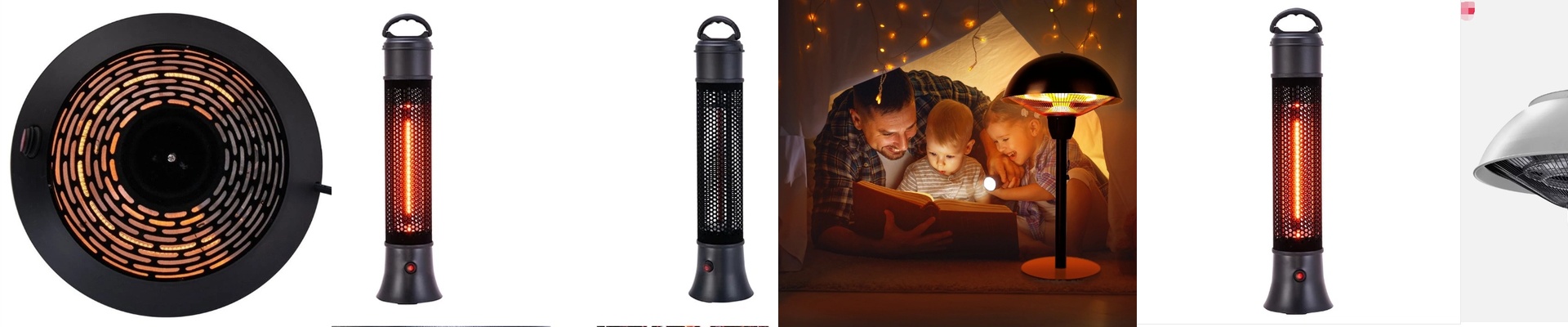
Here’s the thing about our infrared space heaters: the real magic isn’t just the heat source. It’s the reflector. If you want to spread warmth across a big area without hot and cold patches, it all comes down to the reflector’s shape. Our goal is straightforward: turn raw infrared energy into a predictable, even blanket of heat. No guesswork. Just precise engineering that gets the job done right.
The Secret is in the Shape
Infrared heaters work by radiating energy from a filament. But without a well-designed reflector, that energy just scatters everywhere. It’s wasteful, and it leaves you with uneven temperatures. So we get into the geometry of it all. We map out the path of the light, shaping the reflector—usually with a parabolic or elliptical curve—to control exactly where the beam goes. We calculate the curvature to focus as much radiation as possible onto the spot you need it. It means less wasted energy. And more importantly, the heat goes exactly where you want it, not lost into the room.
Solving the Hot Spot Problem
You know that annoying hot spot right in the middle of a heater’s coverage? Standard reflectors do that. It’s a real headache when you need consistent heat across an entire industrial space. We fixed it. Our design breaks up that single focal point. We use a compound reflector surface, blending multiple curve segments. Each segment is calculated to aim a specific part of the beam. These beams overlap to even out the energy, giving you a perfectly uniform spread of heat. No more oversizing your heater just to compensate for weak spots. You get even warmth, end of story.
The Payoff: Less Power, More Control
Yes, this kind of precise engineering means we have to hold tighter manufacturing tolerances. It’s more work upfront. But the payoff? It’s huge. You end up with a heater that uses less power to hit the same temperature. Because every bit of energy is directed efficiently. You tell us the beam width you need, and we build the geometry to match. For engineers, it means predictable performance, lower operating costs, and a system that works easily with your process. No overthinking the heat input. Just a heater that does exactly what you need, when you need it.