Introduction
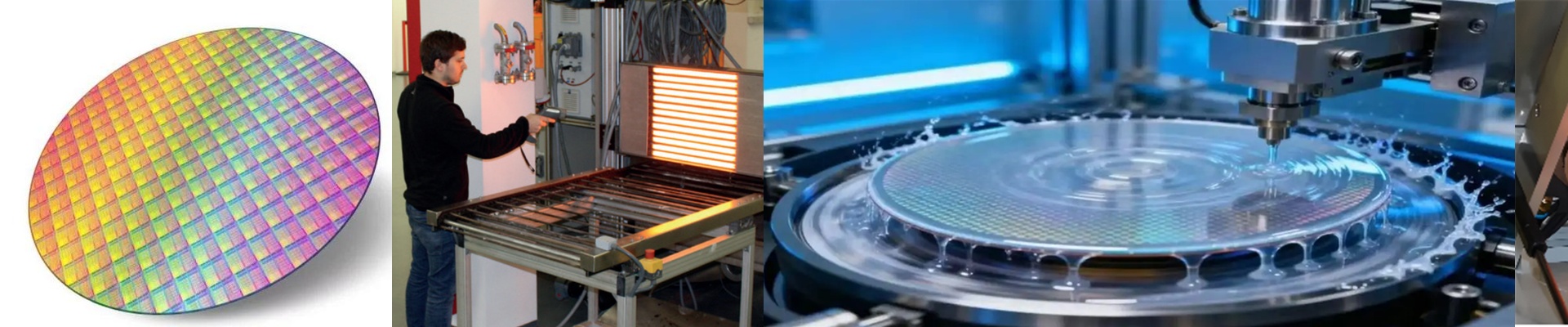
Ever feel like you’re stuck waiting on the clock? When your fab is grinding through deep processing steps, hot air just drags things down. So we built something to cut through that bottleneck—the Energy Efficient Wafer Heater. It’s all about speed. We leaned on shortwave infrared halogen tech to deliver heat right where it’s needed—on the wafer surface—without turning the whole chamber into an oven.
What Makes It Tick
Here’s the heart of the matter. We designed this heater to be dense, precise, and in control. It runs on 400V, which packs a lot of power into a small footprint, without making your electrical system sweat. That means you get rapid ramp-up and rock-solid temperature holds, right at the point of use. And the 300mm heating length? That’s the sweet spot. It lines up with standard tooling, so you can slide it in without tearing your process apart. The wattage is tuned to deliver just the right amount of thermal energy for consistent results. You get RTP-style performance, but without the headache of complex plumbing.
The Build, Up Close
We wrapped the core in a quartz envelope, filled with high-purity halogen. This combo can take the heat—and keep it steady. It maintains that shortwave infrared output, which silicon and thin-film stacks just soak right up. Inside, the halogen cycle does its job, fighting filament degradation so the heater stays stable even after countless heat-up, cool-down cycles. Changing the lamp is a breeze, thanks to the R7s bi-pin connector. It clicks in tool-free, so downtime is short. And the outer coating? It’s tough—handles thermal shock and resists contamination, keeping emissivity steady and maintenance predictable.
What It Means for You
In deep processing, time is money. And infrared wins on time. Because it heats the wafer directly, not the air around it, you stop waiting for the whole chamber to catch up. Temperature transitions snap. Uniformity stays tight. And you spend less energy per batch. This is the kind of upgrade you install when you need more throughput without taking up more floor space. Now, a heads-up: that intense heat density means your cooling and shielding need to be up to the task. If they’re undersized, you can get hot spots. But match the lamp to your thermal budget, and you’ll run smoother, with fewer rejects.