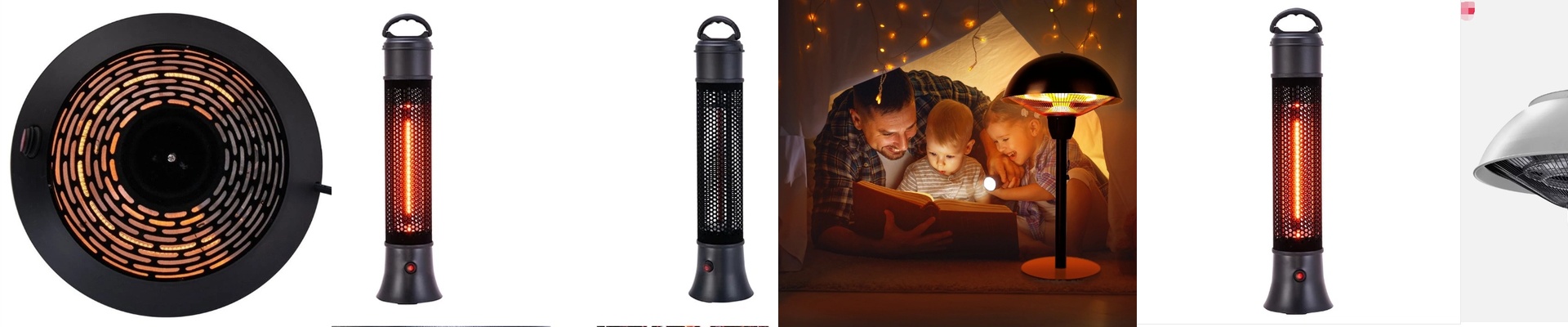
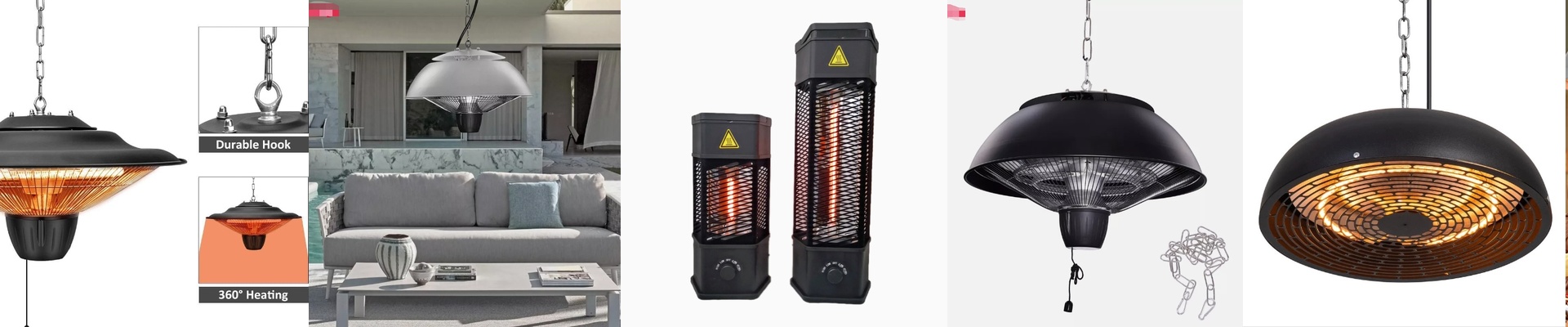
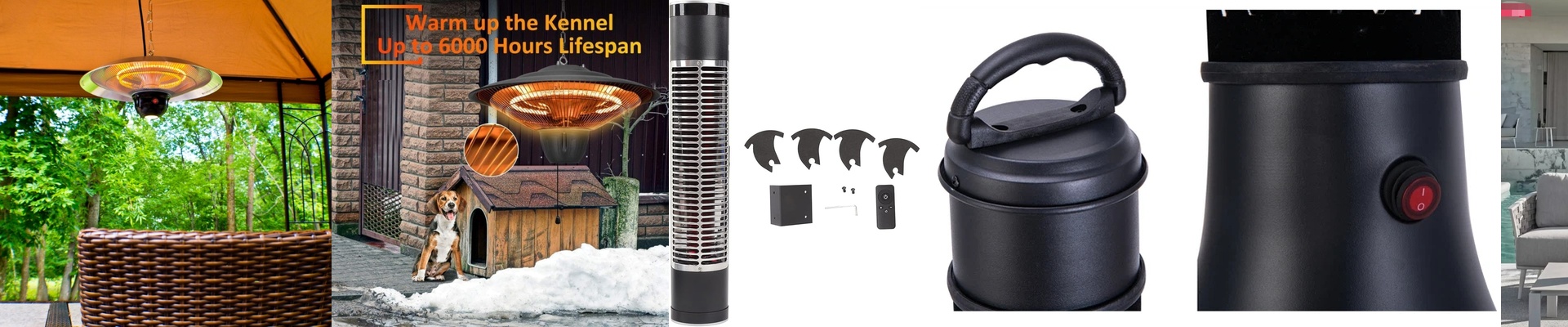
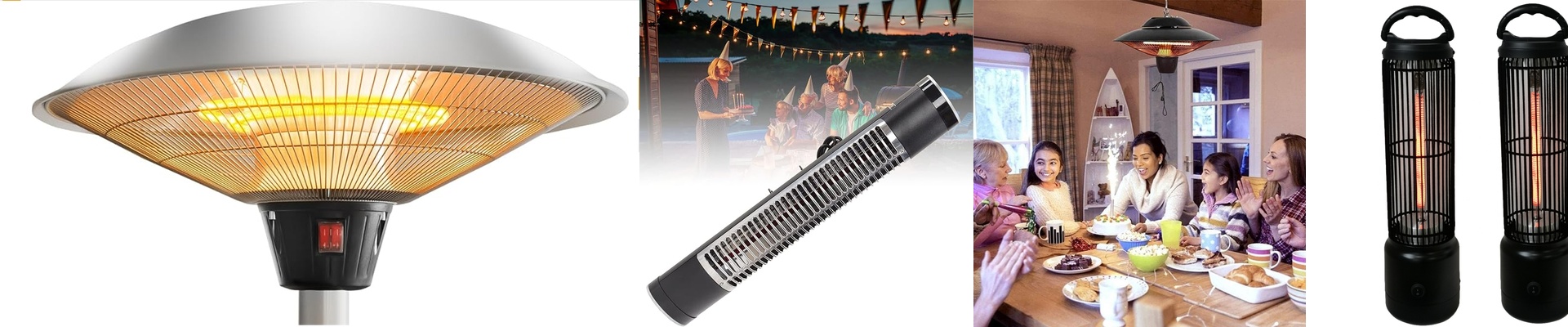
In commercial buildings, the bathroom is usually where guests feel the cold first—and where you hear about it first. Forced-air systems churn energy into empty space, and the bills pile up while ESG numbers slide the wrong way. We built our high-efficiency infrared bathroom heater to fix that. It puts heat right where it’s needed, turning a constant comfort headache into a real energy win.
What matters under the hood
This unit runs on medium-wave infrared quartz elements, so the warmth is radiant—heating people and surfaces directly, not the air. That translates to faster response and steadier comfort. In practice, a 1.5 kW model can deliver comfort on par with a 2.5 kW convection heater because the heat is focused and immediate. We pair the element with an integrated thermostat and an IP54-rated housing built for humid bathrooms. It holds up against moisture while keeping temperature control tight. Installation is straightforward: standard 230 V supply, hardwired, and a compact footprint that fits most ceiling or wall spots.
Why it works in commercial spaces
If you own or manage commercial property, this heater helps you move the needle on sustainability without asking guests to trade comfort. Radiant heat means lower overall draw, which cuts utility costs and supports better building energy ratings. Because the system warms occupants directly, the bathroom feels comfortable faster, which reduces peak demand and keeps satisfaction up. Over time, fewer cycling losses and steady, draft-free warmth also mean less wear on equipment, longer service life, and fewer service calls.
Things to keep in mind
Radiant heat warms objects and people, so air temperature readings can read lower than what people actually feel. Set the thermostat by comfort, not just ambient numbers. The heater is designed for indoor bathrooms with proper clearances and ventilation—not for fully exposed outdoor spots. For best results, pair it with solid insulation and an appropriately sized ventilation system to manage humidity and protect the electrical components.