

Radiant Panel Heaters for Attic Sunrooms: How Infrared Holds the Heat Under All That Glass
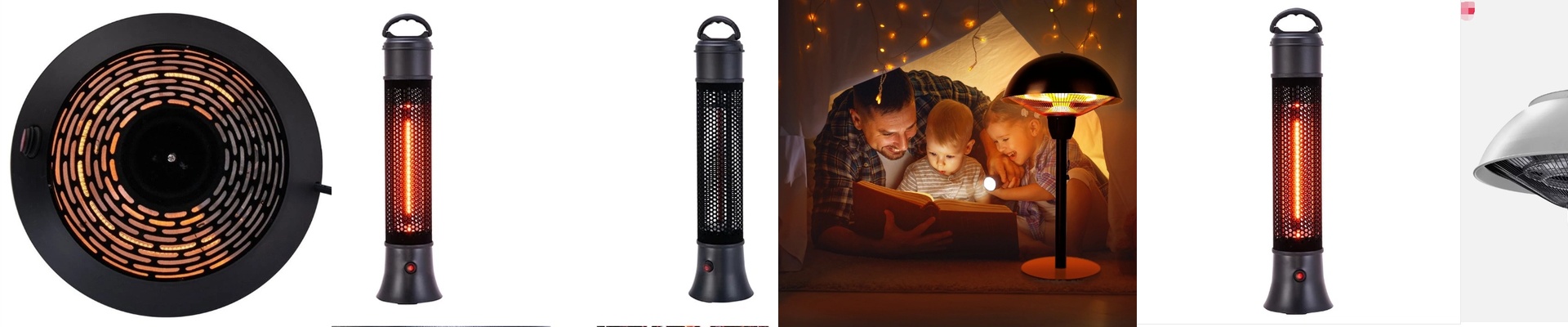
Let’s talk about a sunroom you actually want to use in winter. You know the feeling: you’ve got big glass walls, maybe a sweeping roofline, and the sun pours in… then the heat disappears just as fast. Standard heaters push warm air around, but in a space like that, the air gets pulled straight to the glass and shoved outside. Here’s the shift: our radiant panel heaters work differently. They send heat as infrared energy, so it warms people and surfaces directly—instead of wasting energy warming empty air.
Power, voltage, and layout: built for the real space
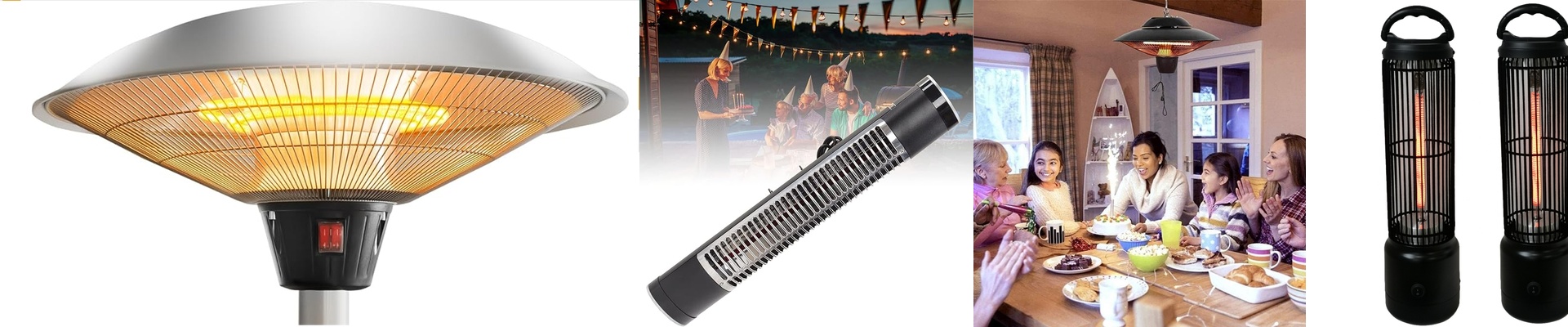
When you’re fighting big glass losses, the details matter. Many setups use 400V operation, and that’s not just a random number. It keeps the current lower on longer wiring runs and helps prevent voltage drop—especially important when the heater is fed from the edge of the circuit. And the shape? It’s intentionally compact. Depending on the model, you’re often looking at a tube length around 300mm. That tight footprint concentrates the wattage into a small area, giving you high heat density right where you need it. Under rooflines. Along the edges of the glazing. Across open attic zones. You’re targeting heat, not trying to heat the whole volume of air.
What’s inside: halogen, quartz, coating, and the connector that makes install easier
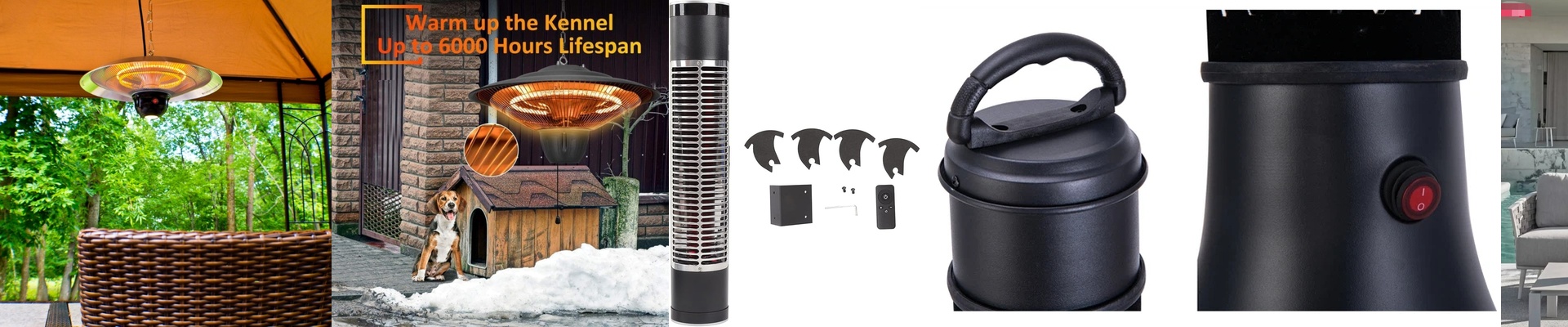
Inside, the heater runs on a halogen-filled quartz envelope, built to handle high temperatures steadily. The halogen cycle helps keep the element cleaner during operation, which supports consistent output over time. Then we add a selective coating on the outer surface. Its job is to shape the energy so more of it lands in the infrared band you want. That means better coupling with solid materials—floors, furniture, structural surfaces—and less heat immediately re-radiating back out through the glass. For installation, we use R7s-type connectors. Practical choice. They give you a secure, straightforward way to wire the unit in a tight footprint, handle high temperatures near the lamp ends, and make the connection repeatable out in the field.
The payoff: comfort you can hold, not just heat you can feel
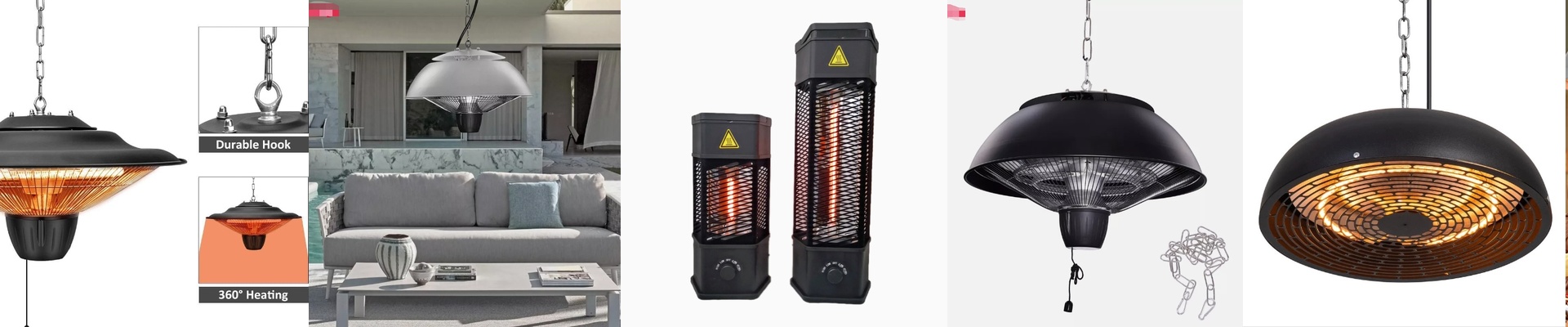
An attic sunroom isn’t about cranking up the heat. It’s about holding temperature despite constant glass loss. Infrared warms the mass, and that mass becomes your secret weapon. Floors and interior surfaces absorb the radiant energy, then release it slowly. The result? Fewer swings, more stable comfort. That’s how you “lock in” the temperature: direct energy gain from the heater, plus storage in the structure itself. Now, a heads-up: high heat density means you need to manage the surroundings. Keep adequate clearance from combustibles, and make sure your ventilation and controls can handle the localized heat load. If you size the system for the glass loss and place the heater where it has clear line-of-sight coverage, you get comfort that stays—without fighting the glazing every single day.