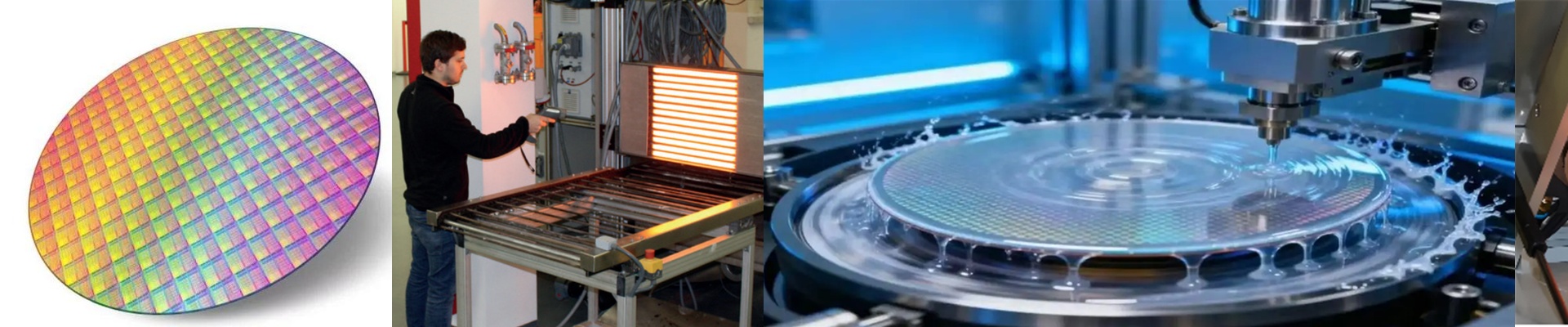
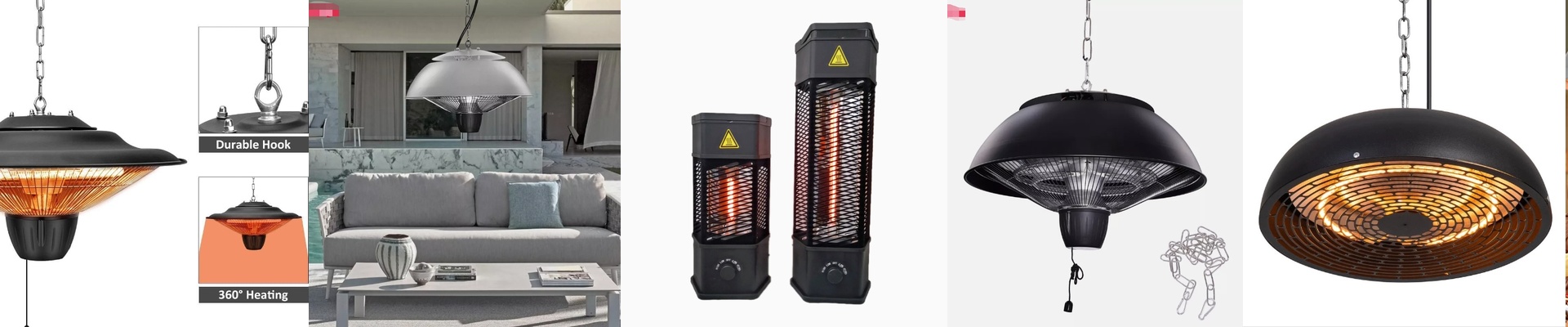
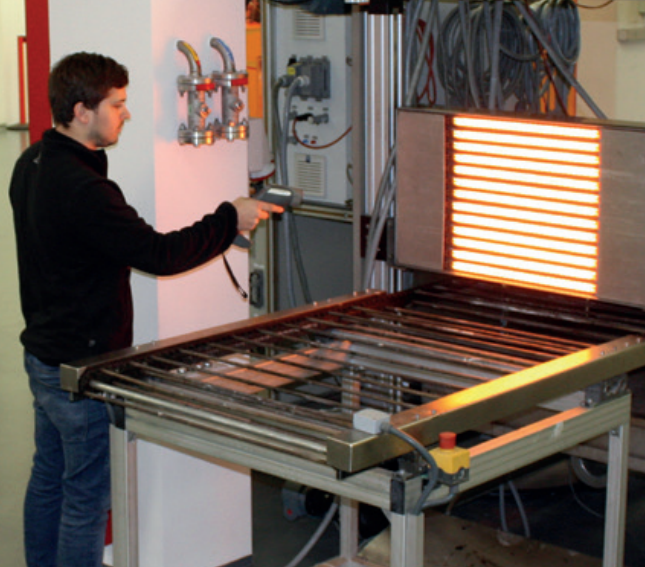
In the lithography bay, a SEM stage that drifts even a hair throws off CD metrology. And the photoresist bake profile is only as repeatable as the thermal stability under the beam. What you need is a heater that doesn’t just add heat—it controls it with discipline. What matters, technically We built the SEM heater around low-outgassing materials and a halogen/quartz lamp setup that responds fast, right where you need it. Across the measurement zone, wafer-level uniformity holds at ±0.1°C, and setpoint repeatability stays within ±0.05°C. The system runs with zero particle events, meeting cleanroom Class 1–100 without compromising chamber integrity. Power delivery is tuned for stable bake profiles, so soft bake and hard bake temperatures stay inside the thermal budget—line-width control and profile repeatability don’t drift. Twenty-four-hour reliability comes from controlled thermal cycling and solid electrical interfaces, so unplanned downtime stays at zero. Why this matters on the floor In SEM metrology, thermal drift turns straight into measurement error—and excursion-driven scrap. With this heater, the stage temperature holds steady under the beam, so CD uniformity data stays statistically stable across lots. You end up with fewer re-measures, less rework, and the fab schedule stays intact. Energy use is tighter, too, because heat is applied only where needed, and fast settling cuts stage conditioning time between wafers. What you need to plan for Installation has to be precise—mechanical clearance and proper thermal isolation, or you’ll create parasitic heat paths. Compatibility depends on chamber geometry and the stage sensor interface, so we validate fit and tune the control loop on-site. Plan a short commissioning run to lock in PID constants for your specific SEM configuration and wafer stack.