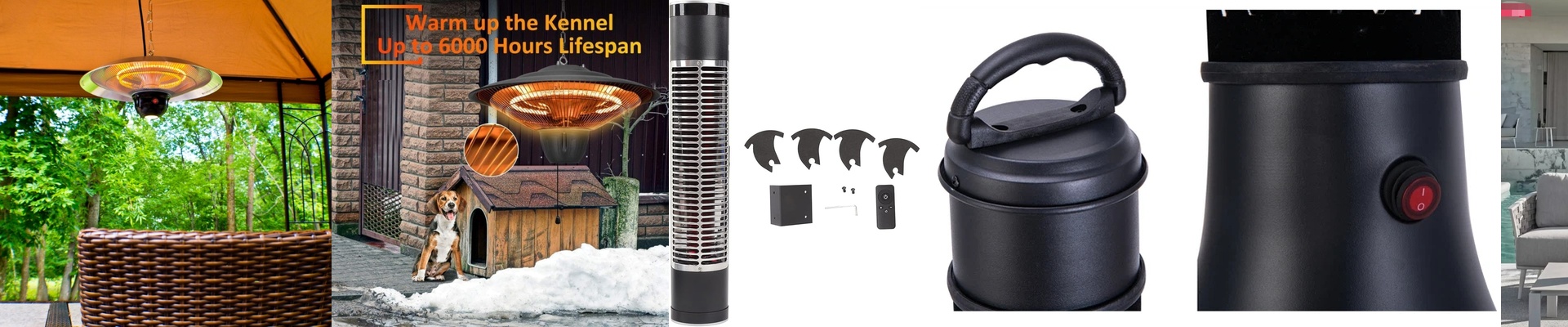


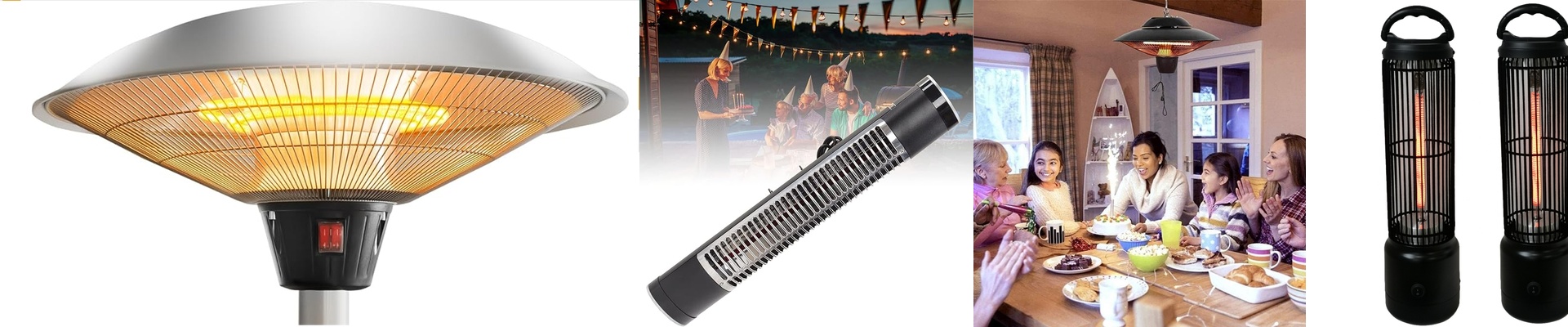
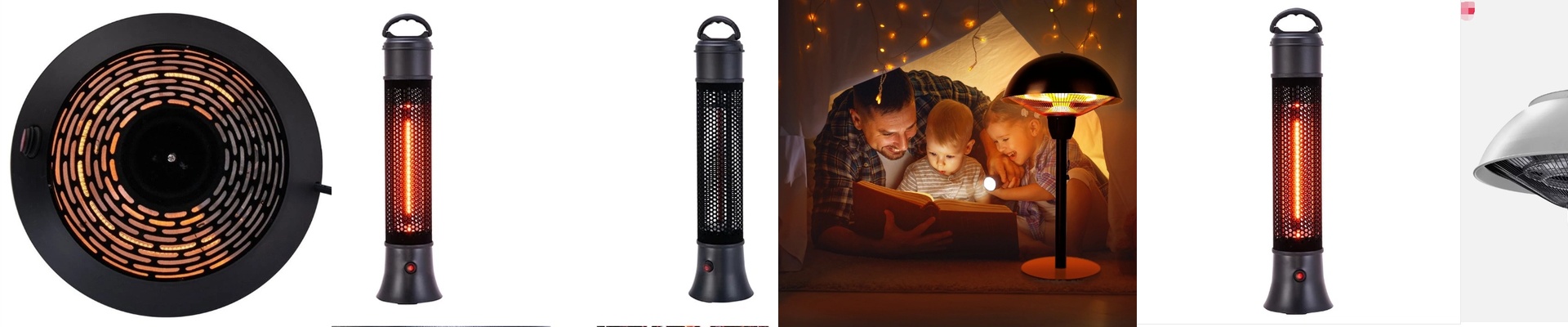
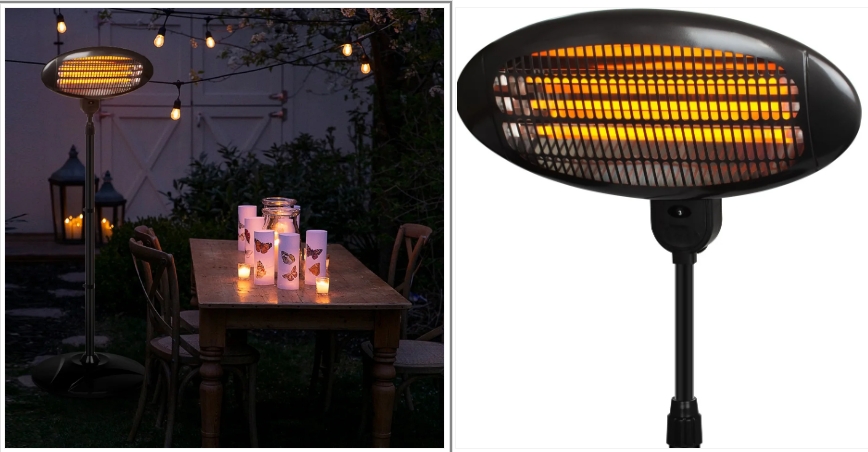
Winter evenings have a way of sinking a chill right into your bones—one that lingers even after you step inside. Traditional heaters can leave you warm on the outside, but still feeling cold at the core. That’s when infrared space heaters earn their keep, delivering warmth that hits you where it counts.
What’s actually going on, technically
Infrared heaters use radiant technology to send out far-infrared waves. Those waves move through the air and get absorbed directly by people and objects—not by the air around them. The warmth penetrates, gently raising body temperature and opening up blood vessels to improve circulation. In practice, your hands and feet warm up faster, muscle stiffness eases, and comfort improves without the dryness or stuffiness you get from forced-air systems. The feel is steady and even—more like standing in a patch of sun.
Why this matters in a home
In a house, that kind of warmth makes a real difference. After a long day, when you just want to unwind—or when family needs gentle, consistent heat—infrared heating hits the mark. It supports healthy circulation, which can help ease the aches that come with cold weather and make it easier to relax and sleep. Whether you’re in the living room, the bedroom, or even on a covered patio, the heat feels immediate and personal—not just background warmth.
The practical details
Infrared heaters are built for targeted comfort, not whole-house heating. They perform best in smaller, well-insulated spaces, or as supplemental heat in larger rooms. Placement matters: you want direct line of sight to the heater for the best results. And because they warm objects directly, the surrounding air can feel cooler. That’s normal. On the safety side, stick with models that have tip-over protection, and keep the unit well away from anything flammable.