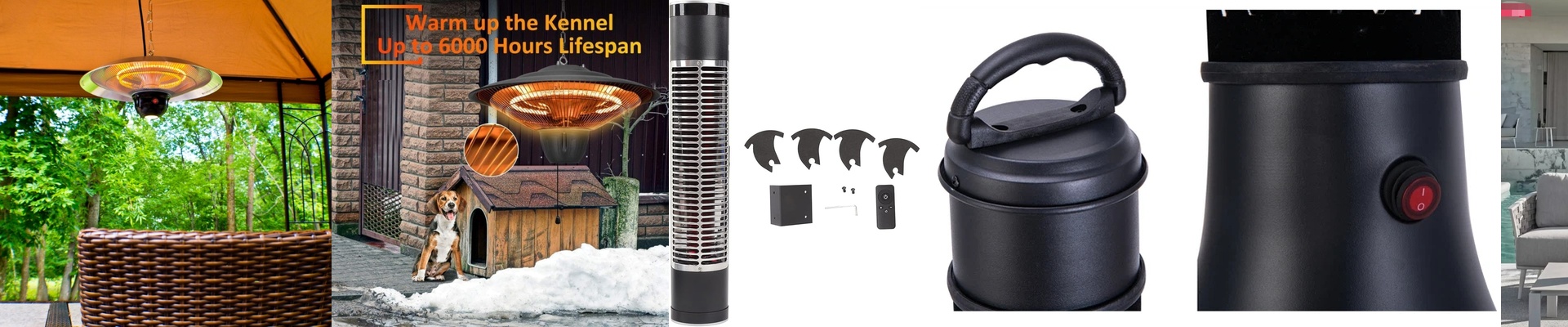
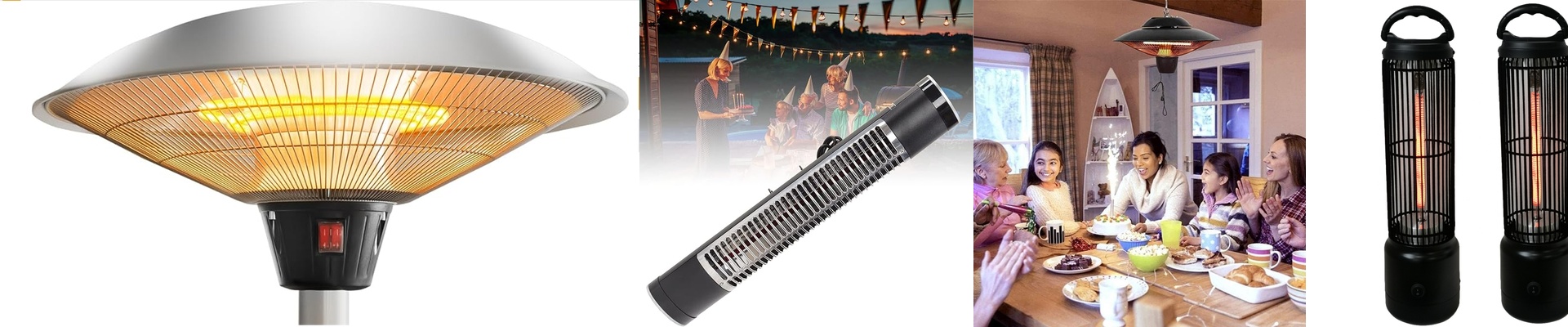
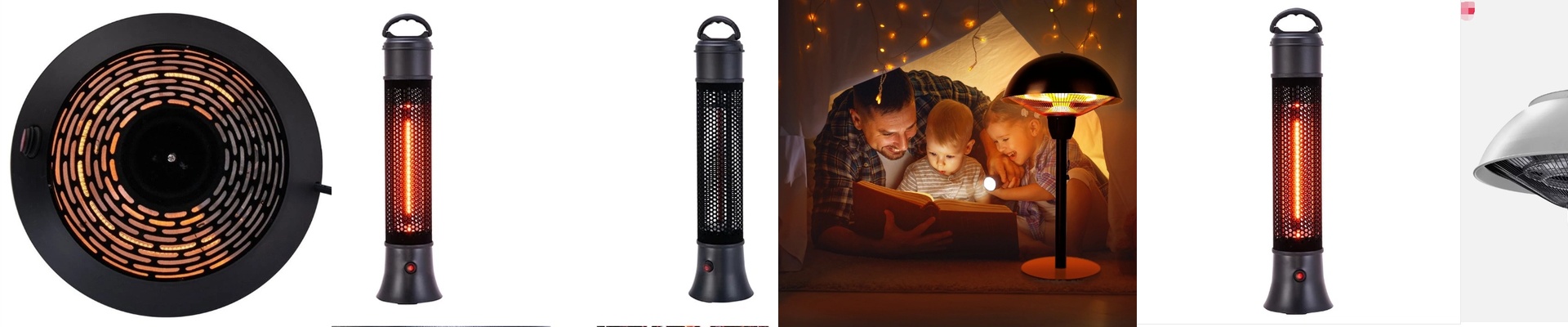
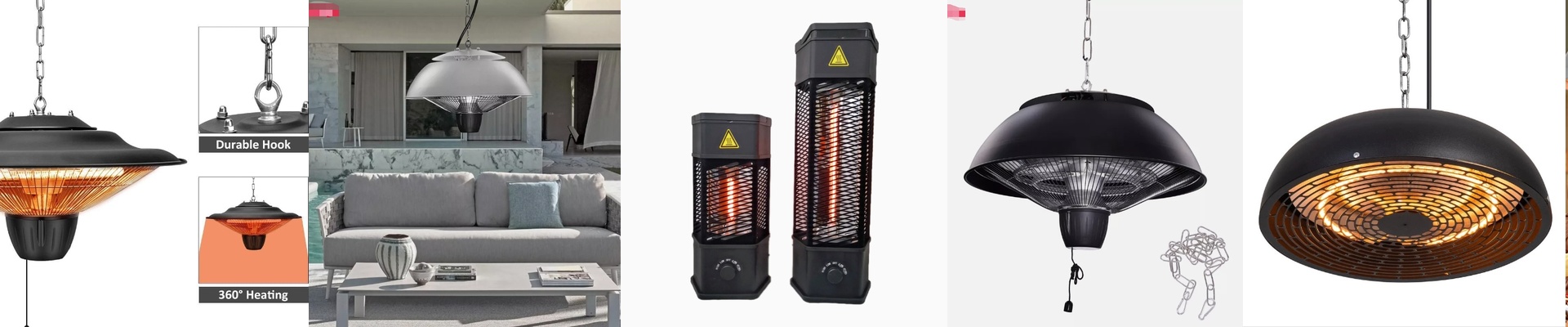

Step outside on a crisp evening, and you know the drill. The old electric oil-filled radiator is humming and glowing, but your legs stay cold while the power meter spins. You want warmth that actually finds you, not just the air around you. That’s where a purpose-built infrared terrace heater changes how the evening plays out.
What matters, technically
Infrared terrace heaters deliver radiant warmth—hitting people and surfaces directly, instead of chasing air temperature. In practice, you feel comfortable at lower ambient temps. Most units use a carbon fiber element or a quartz tube, so the heat comes on immediately with no warm-up. Many run off a standard 230 V outlet and pull 1.2–2.0 kW, with an adjustable thermostat and tip-over protection. For outdoor use, look for an IP rating that’s up to the job—IP34 or IP55 keeps moisture and dust where they belong: out.
Why this works on a terrace
Compared with electric oil-filled radiators, infrared can deliver the same perceived warmth while drawing less power. In a lot of homes, that turns into real savings—often 30% to 50% less electricity for the same cozy feeling. You get heat where you need it, when you need it, without heating the whole night sky. The payoff is simple: the terrace stays usable earlier in the season and later into the night, and the bill reflects the efficiency, not just the heat output.
The things you actually need to keep in mind
Infrared warmth is directional, so aim the heater at the seating area, not the wall. Run it on a dedicated circuit, use a weatherproof outlet, and keep clearances clear—no curtains or furniture in the beam. **For the best comfort, pair a directional infrared heater with a gentle ambient option.**That combination gives you warmth that’s focused where you sit, plus even coverage that makes the whole terrace feel welcoming—without working harder than it has to.