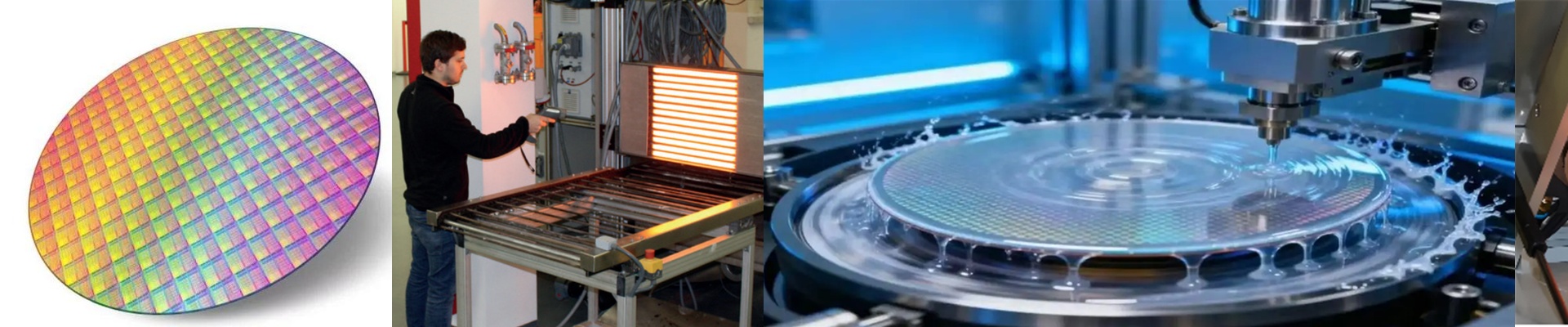
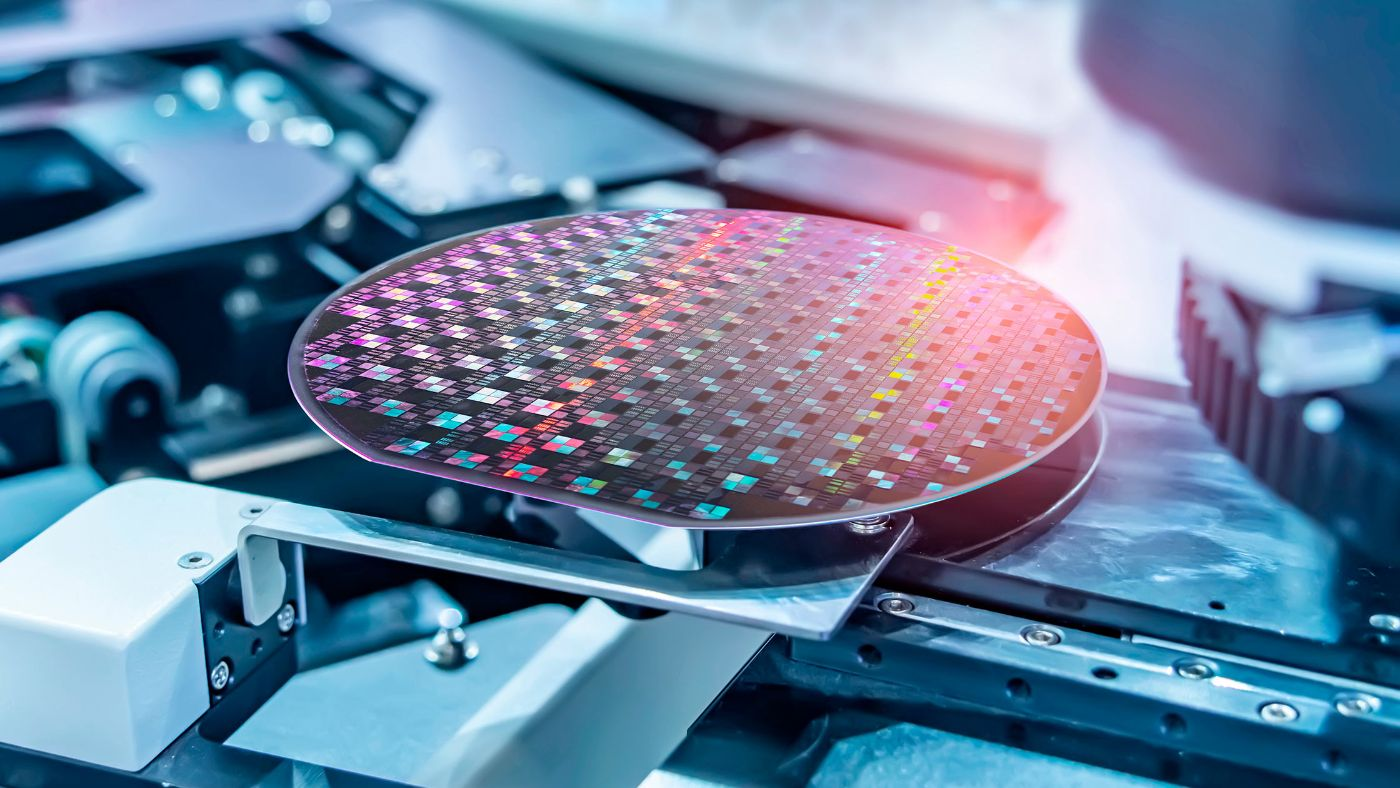
Out on the fab floor, that diffusion furnace lamp isn’t just a heat source. It sets the thermal budget, period. Get the temperature wrong by even a degree at soft bake or hard bake, and the photoresist profile starts to drift. Lithography overlay goes with it. Yield takes a hit. What you need is heat that’s repeatable, clean, and quick. What we built, technically We run near-infrared (NIR) halogen elements inside a quartz envelope. The spectrum is tuned for surface-coupled heating, so you get rapid ramp-up with minimal substrate overshoot. Across the batch, wafer-level uniformity holds within ±0.1°C. Response is sub-second, which keeps temperature control tight during ramp and soak. The design produces zero particles during operation, and it lives in cleanroom Class 1–100 without outgassing. Power density is matched to furnace profiles, and output stays stable over 5,000+ hours with less than 5% drop. Why it fits the work you’re doing In diffusion, consistency is everything—doping, film formation, the whole run. In photoresist processing, you need temperature precision that keeps CD and sidewall angle on spec. This lamp delivers both. Tight uniformity cuts thermal stress, lowers defect risk, and shortens cycle time. Clean operation keeps particle counts down, which matters for the reticle and the wafer. Rapid response and low standby losses keep energy use in line, and the long life means fewer maintenance windows. The payoff: predictable control, fewer scrap lots, and throughput that stays steady. The practical details you’ll want to get right Installation comes down to exact optical alignment and fixtures that don’t fight the thermal profile. The lamp runs at high power density, so plan for adequate cooling and clean power. Match the lamp to the furnace controller’s PID parameters to avoid overshoot. After replacement, expect a short warm-up period before it fully stabilizes. Plan preventive replacement by hours, not failures—that’s how you keep the process within spec.