Warehouse Heat, Solved: The Directional Infrared Heater That Actually Makes Sense
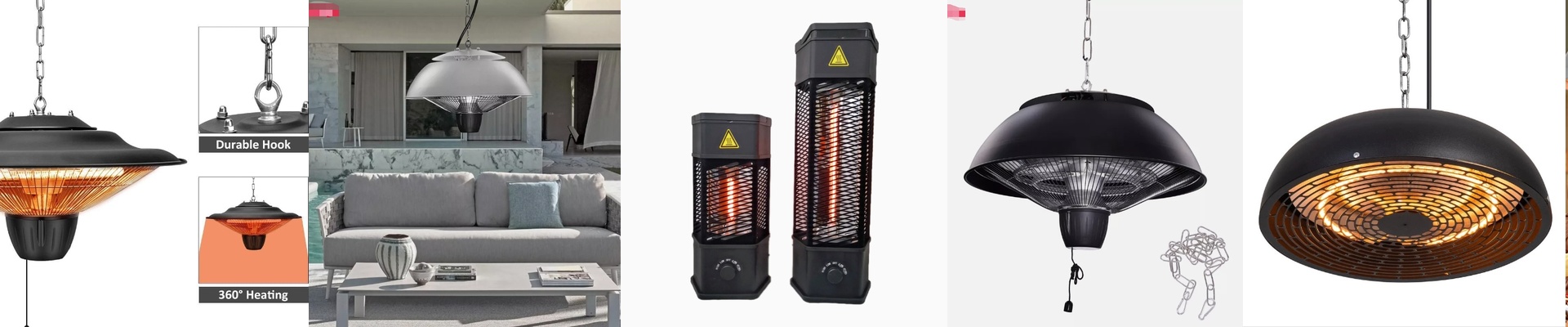
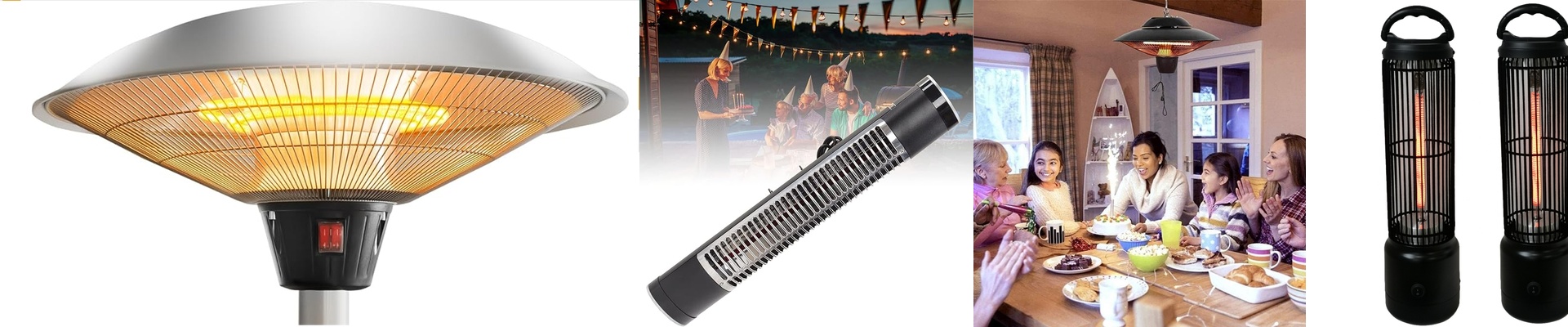
You know that feeling when you walk into a massive warehouse in the winter and the air just swallows the heat? Traditional systems try to warm the whole space, but they end up fighting a losing battle—pumping energy into the rafters while the people on the floor are still shivering. We built our directional infrared heater to fix that headache. Instead of wasting fuel on empty air, it sends heat exactly where it’s needed: straight down onto the people and equipment that need it.
What’s Under the Hood
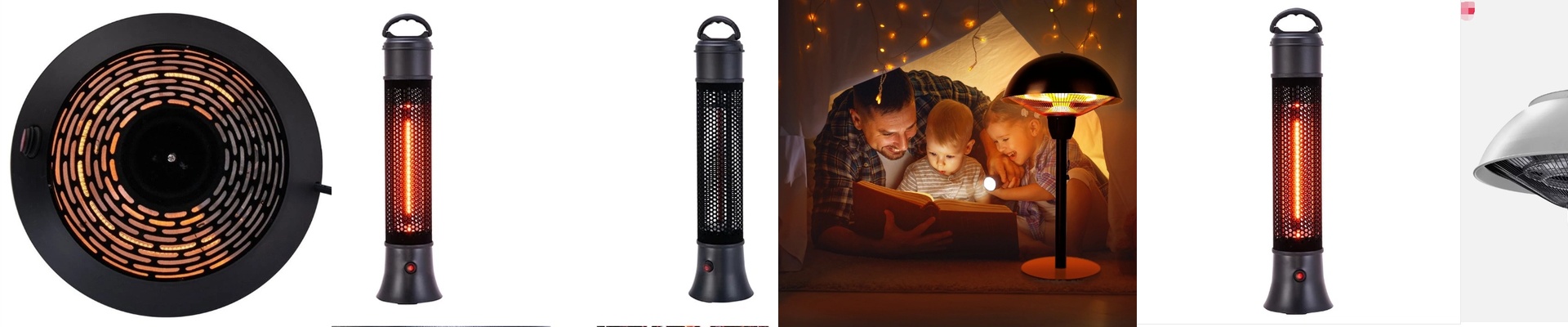
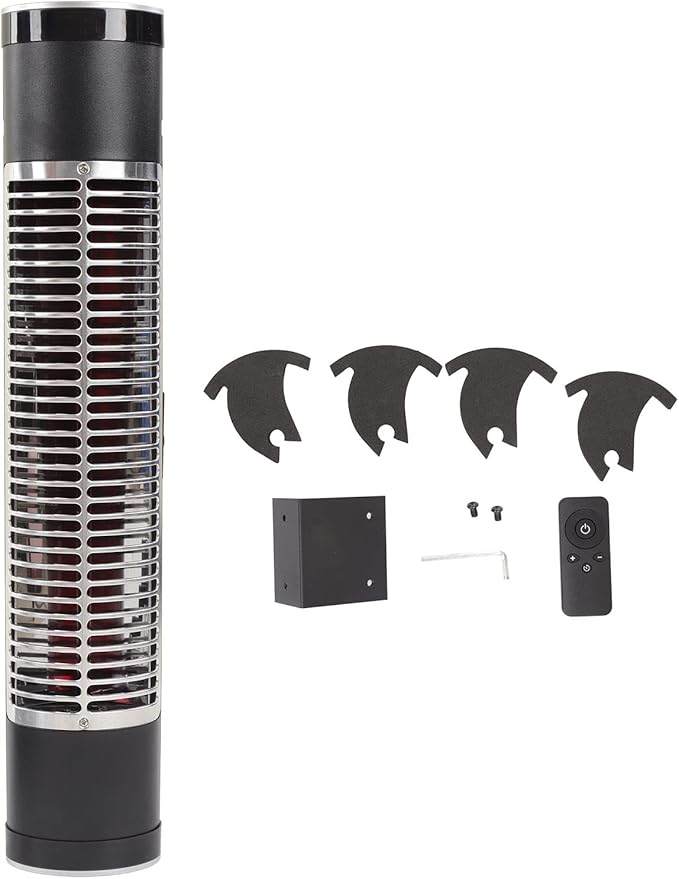
Here’s the thing—this isn’t just another heater. It runs on a 400V industrial setup, because it’s built to deliver serious, concentrated power. That means it draws a strong current, so you do need a proper industrial electrical foundation. And the 300mm tube length? That wasn’t an accident. It packs a ton of heat into a tight space, creating a focused beam that hits the target with almost zero waste. No scatter, no spreading out. Just direct, purposeful warmth.
Built to Last
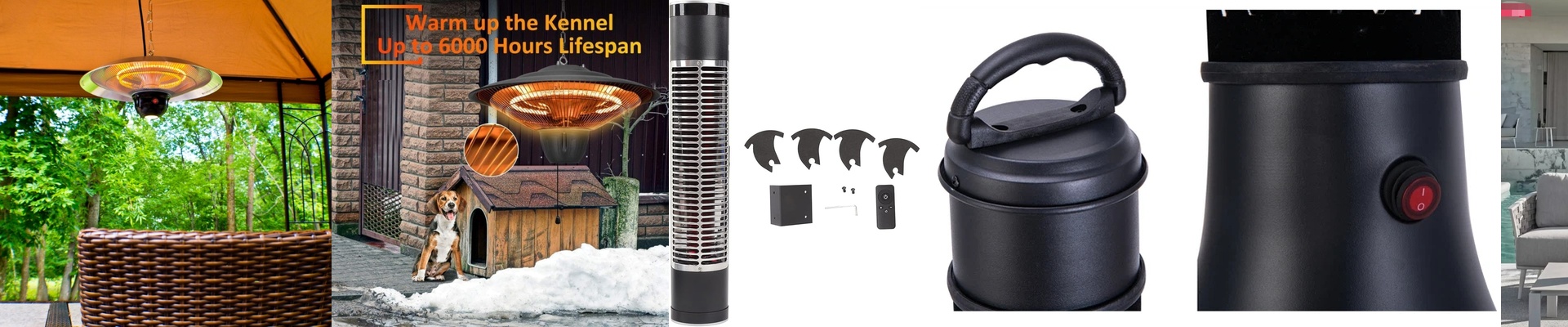
The heating element itself is a halogen-filled quartz tube. That design lets the filament run hot—producing that intense, shortwave infrared that feels so good. The tube is coated to handle rapid heating and cooling, so it won’t crack under the stress of constant on-off cycles. And we use an R7s connector, the standard for this kind of lamp. It gives you a solid, two-point connection that stays reliable even when things get hot and shaky—like in a busy industrial space.
What It Feels Like on the Floor
In a warehouse, this setup is all about instant comfort. You’re not paying to heat a 20-foot ceiling. The energy goes right to the ground level, and workers feel the difference immediately. That kind of precision saves a lot of wasted energy. But yes, there are a couple of trade-offs. The high heat density means you need to plan your mounting carefully to keep a clear zone. And the electrical draw requires a dedicated circuit. For anyone who knows their way around industrial installations, it’s a straightforward setup. And once it’s running, you’ll notice the difference—not just in comfort, but in the energy bills.