Ditching the Old Bathroom Heat Lamps for Infrared
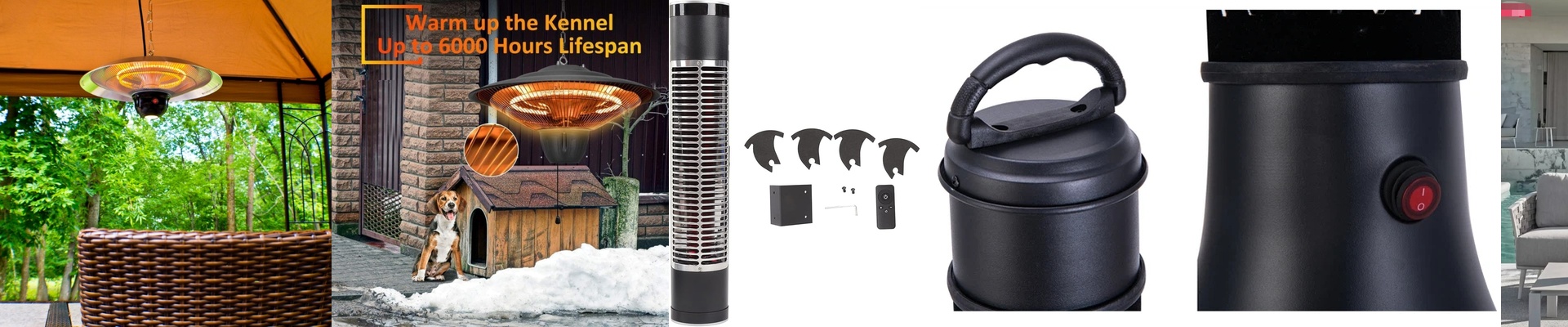
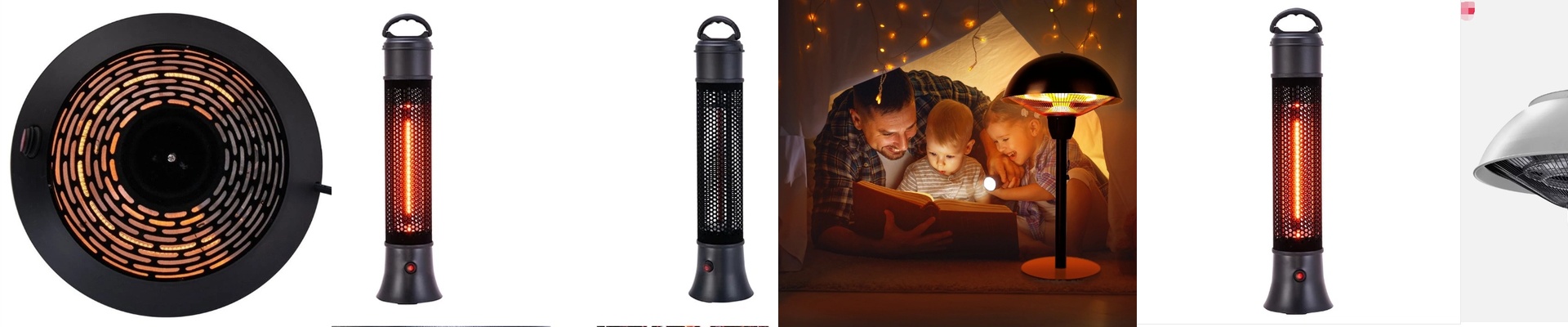
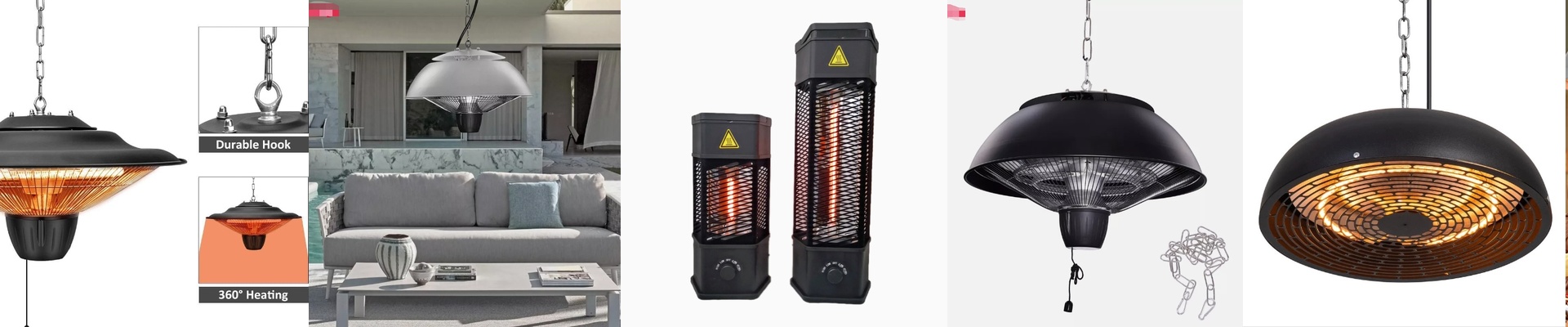
We’ve all dealt with those old-school bathroom heat lamps. You know the ones—those blindingly bright bulbs that feel like you’re standing under a stadium spotlight just to get a little warmth. They eat power, they burn out way too fast in the steam, and honestly? They aren’t that great at their one job. That’s why more people are switching over to waterproof infrared systems. They stop worrying about the light and focus entirely on the heat. How it actually feels Here is the big difference: old lamps try to heat up the air in the room. But air is stubborn. Infrared is different. It uses shortwave radiation to hit your skin and clothes directly. It’s instant. You flip the switch, and you feel the warmth immediately. No waiting around for the room to stop feeling like a fridge. Dealing with the steam Bathrooms are basically torture chambers for electronics. Between the steam and the occasional splash, moisture finds a way into everything. If water hits the electrical terminals, the whole thing is toast. Simple as that. That’s where the “IP rating” comes in. If you see IPX4 or higher, it just means the seals and gaskets are tight enough to keep the dampness out of the wiring. It’s about buying gear that can actually take a beating from the steam every single morning without quitting on you. A quick heads-up on installation Most of these units are designed to slide right into the spot where your old fixture lived. It sounds easy—and it usually is—but keep an eye on your amperage. Infrared tubes pull a decent amount of current. If your home’s wiring is a bit dated or undersized, you might find yourself tripping the breaker. Just double-check your power before you dive in. Is it worth it? You get a cleaner look and way more heat in a smaller package. Plus, you don’t have that annoying, blinding glare while you’re trying to wake up. Sure, you’ll spend a bit more upfront than you would on a cheap replacement bulb. But since these are built specifically for high-humidity spots, they don’t die nearly as often. It’s just a smarter way to stay warm.