Stop Letting Your Patio Sit Empty All Winter
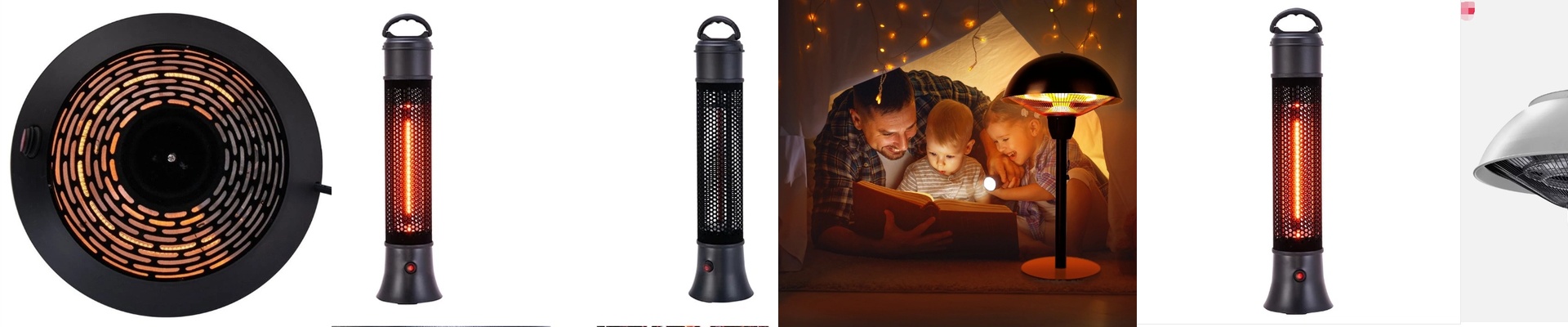
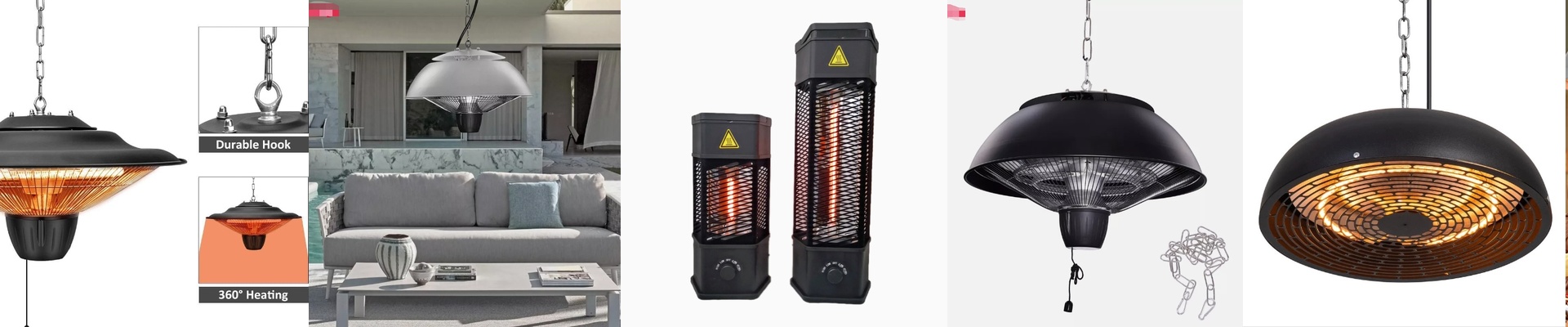
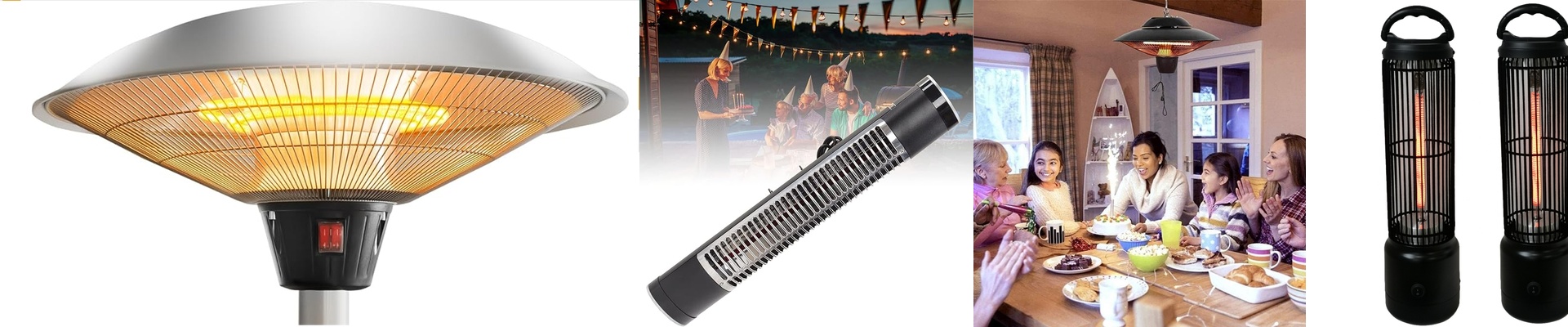
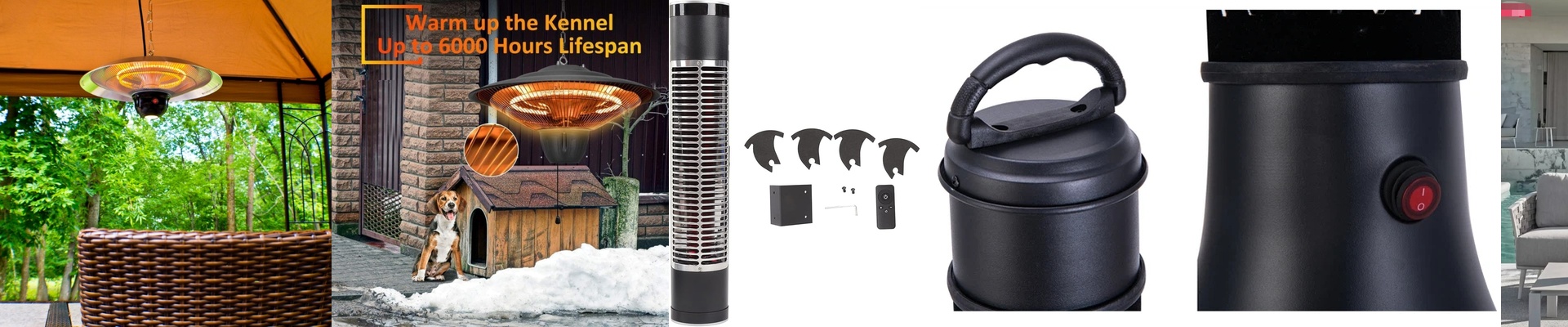
It’s the same story every November. The weather turns, the wind picks up, and suddenly your outdoor seating is just a collection of empty chairs and wasted space. Most heaters just can’t handle the real world—especially when it’s raining or freezing. That’s why we built our heaters to an IP55 standard. In plain English? They’re waterproof and dust-proof. You don’t have to worry about a sudden downpour shorting out the electronics or ruining your night. You just leave them up and keep your doors open, no matter what the forecast says. Built for the grit Cheap heaters usually fall apart at the seams. They rust out after one season or the connection points snap because they can’t handle the constant switching between freezing air and intense heat. We did things differently. We used sealed gaskets and housings that actually fight off corrosion. We reinforced the joints so they can expand and contract without breaking. They’re built to last, not to be replaced every spring. Heat that actually works Here is the thing about most heaters: they try to warm the air. But if there’s even a slight breeze, that warm air just blows away. You’re basically heating the sidewalk. Our units use shortwave infrared. Think of it like the sun. Instead of fighting the wind, the heat goes straight to your guests and their table. It’s instant. Your customers feel it the second they sit down, which means they stay longer, order another drink, and don’t rush inside because they’re shivering. The real talk on installation Turning your patio into a year-round money-maker is great, but you have to do it right. These heaters pull a lot of power. Please, for the love of everything, don’t just plug these into a cheap extension cord. You’ll trip your breakers right in the middle of the Friday night rush. Get your wiring and breakers checked out first to make sure they can handle the load. And a quick tip on placement: get the height right. Mount them too low and your guests will feel like they’re sitting in an oven. Too high, and the warmth just disappears. Find that sweet spot, and you’re set.