Why Most Outdoor Heaters Die (And How We Fixed It)
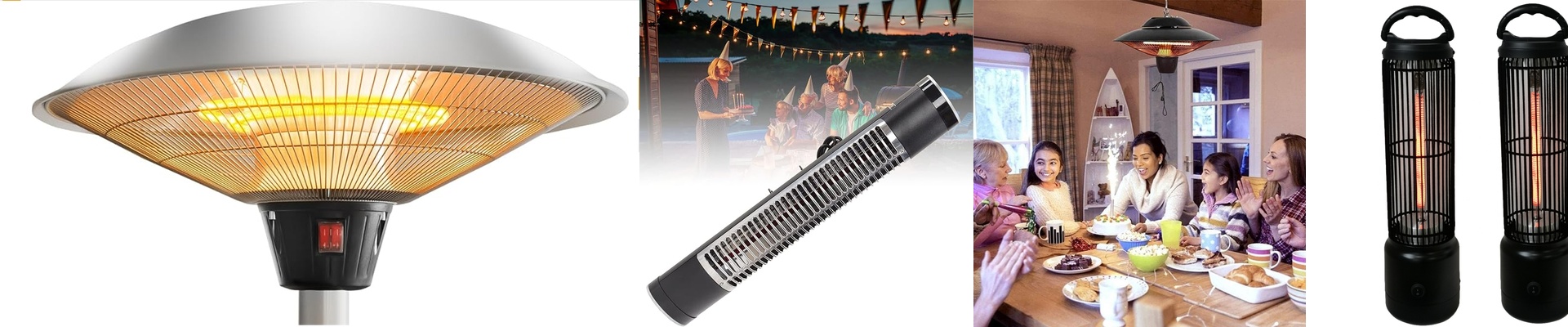
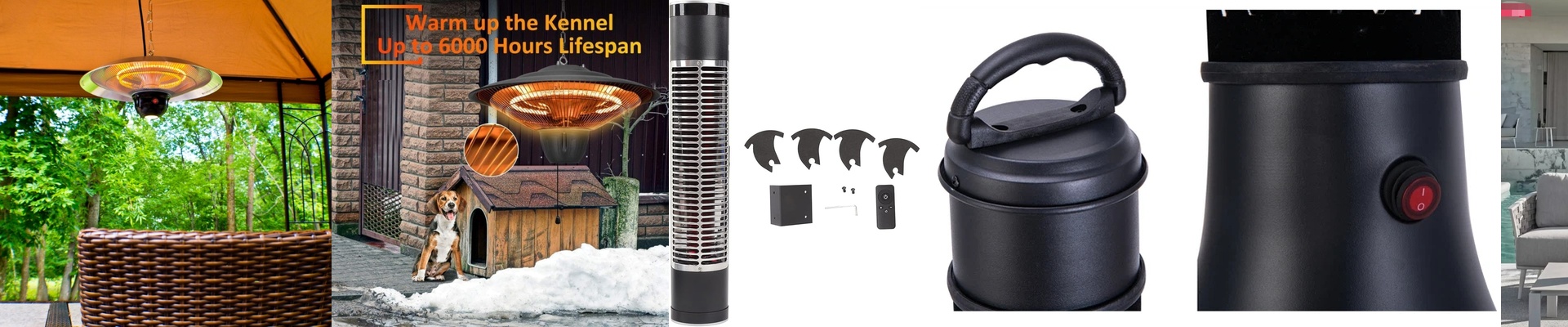
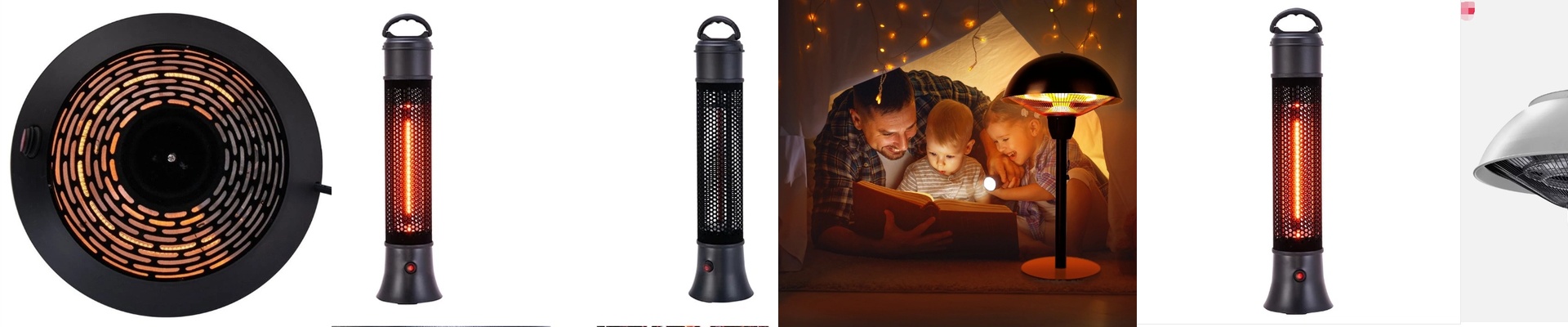
If you’ve ever owned an outdoor heater, you know the drill. You buy a nice unit, it works great for a season, and then—boom. A bit of rain or a humid winter hits, and suddenly it’s a giant, expensive paperweight. The real killers aren’t the cold or the wind. It’s moisture and condensation. We built our heaters with an IP66 rating specifically to stop that. In plain English? It means the unit is totally dust-tight and can handle high-pressure water jets. We’re talking about more than just a light drizzle. You can practically power-wash these things or let them sit through a massive storm without worrying about the electronics shorting out. The battle against the mist Here’s the thing about fog and mist: they leave this thin, conductive film on the heating element and the reflectors. It sounds minor, but it’s a nightmare. It creates “hot spots” that can burn out your lamp way faster than it should. To stop that, we added a specialized anti-mist housing and a drainage path. Instead of condensation pooling around the electrical terminals, it just… leaves. This keeps the reflector clear, so the heat actually goes where it’s supposed to—down on you, not wasting energy on a fogged-up lens. Stopping the “creep” Water splashes are the other big problem. They lead to corrosion at the connection points—that nasty, creeping oxidation that kills heaters after a year or two. We tackled this by using industrial-grade gaskets to seal the wiring and corrosion-resistant alloys for the brackets. It’s the kind of stuff you don’t notice until three years later when your heater is still humming along while everyone else is shopping for a replacement. One quick heads-up There is a trade-off when you seal something this tightly. Because we’ve locked the water out, the heat inside the chassis can build up faster than it would in a cheap, open-frame heater. Because of that, you can’t just cram these into a tight, unventilated soffit. You need to leave some breathing room around the unit. If it can’t breathe, the thermal cutoff will trip to protect the hardware. Just give it a little space, and the heating element will last for years.