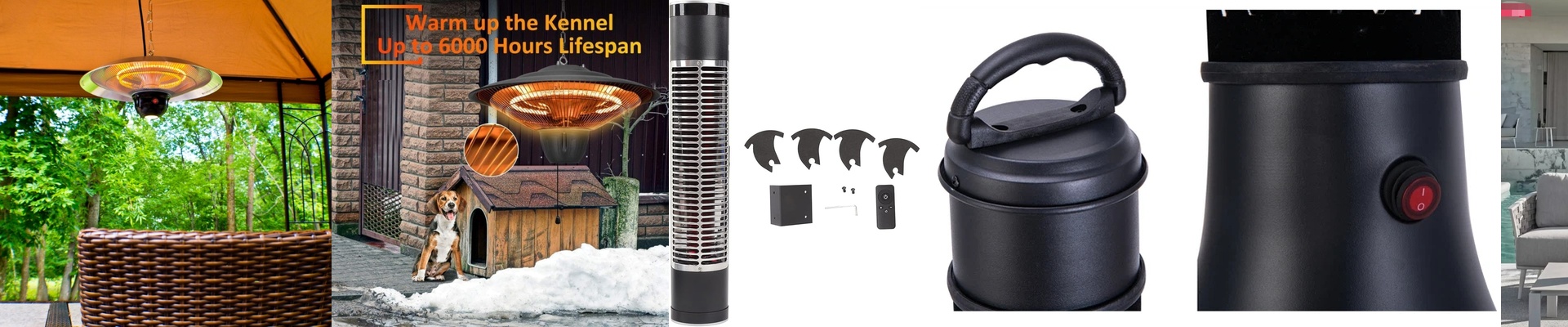
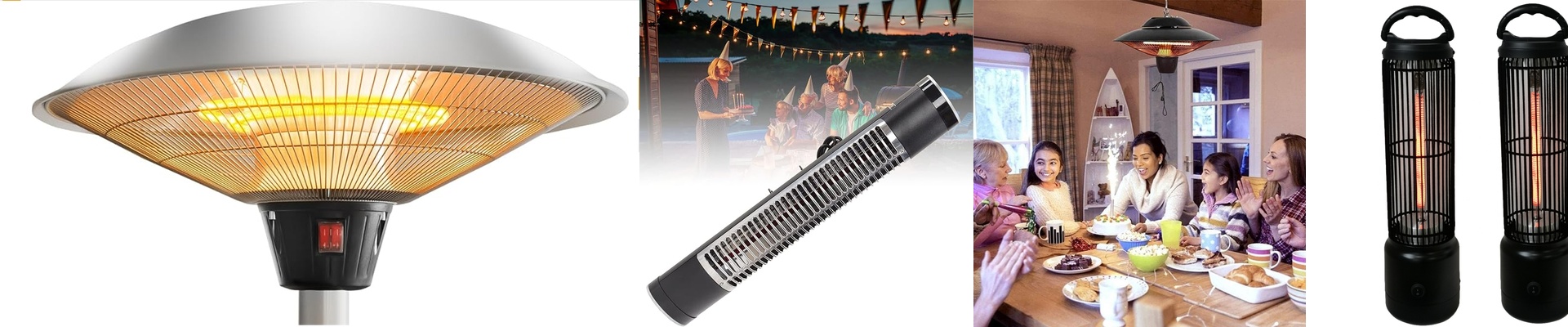
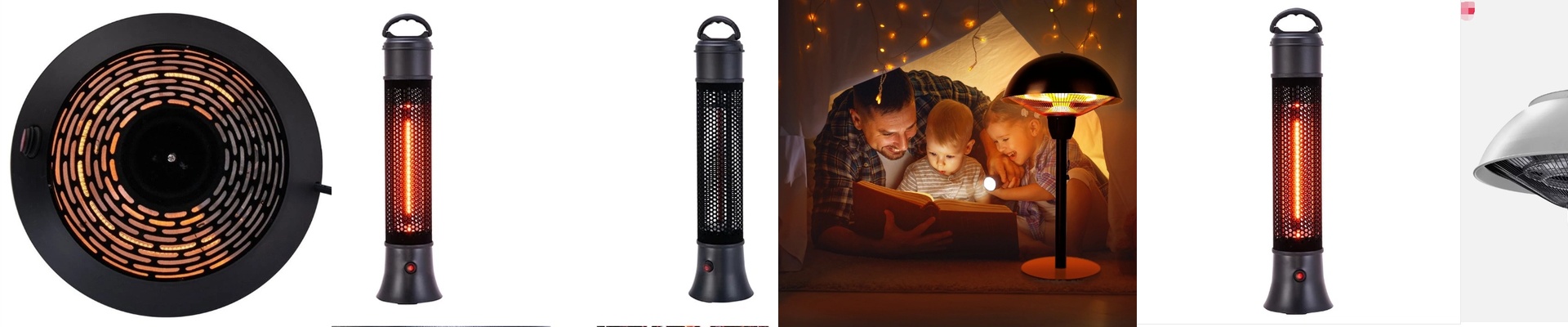
Why Your Bathroom Heater Needs Explosion-Proof Quartz
Let’s be honest: putting electricity and water in the same room is always a bit nerve-wracking. Whether you’re rigging up a fancy bathroom or a patio for a nightclub, you’re dealing with a cocktail of steam and humidity that just wants to break things. Standard infrared lamps? They won’t cut it here. You need explosion-proof quartz tubes. Otherwise, you’re basically waiting for a disaster. Here is the problem. When a lamp gets screaming hot—we’re talking 600°C—and a random drop of cold water hits it, the glass doesn’t just cool down. It panics. That sudden temperature swing creates a massive amount of stress, and pop. The glass shatters. We use explosion-proof quartz because it can take that hit. It handles those wild temperature swings without cracking, which keeps the tungsten filament inside safe and dry. But the glass is only half the battle. You’ve also got to worry about the seals. We use high-purity quartz and tight, specialized gaskets to keep the moisture out. If those seals fail, the filament burns out in a matter of minutes. It’s a total waste of money. Plus, keep an eye on your connectors. If they aren’t rated for high humidity, you’ll start seeing sparks—or arcing—at the terminals. Not a great look for a luxury spa. Now, there is a small catch. The beauty of these lamps is that the heat is instant. You don’t have to stand around waiting for a coil to warm up; you feel it the second you flip the switch. But because the quartz is thicker or has a protective coating, it doesn’t let the heat penetrate quite as deeply as a thin, clear tube would. It’s a tiny trade-off. I’d much rather lose a fraction of heat depth than have a lamp explode in a steam-filled room. One last thing: please, for the love of everything, wire these into a proper GFCI circuit. Even the best explosion-proof tube can’t save you if the rest of your housing isn’t built for the environment. Keep it safe.