Getting Hydrogen Sensor Heating Right
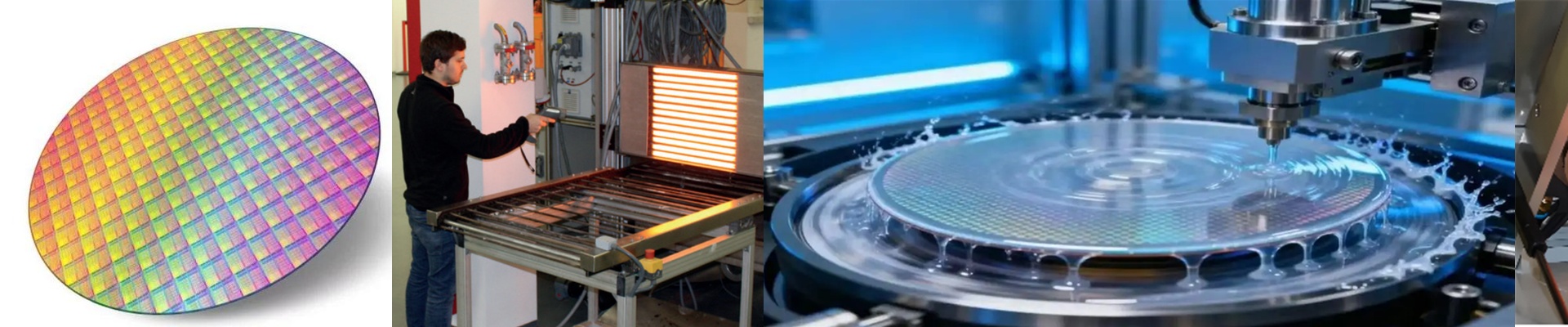
If you’re making hydrogen sensors, you know the drill. The membranes are finicky and the catalyst needs to actually stick. If your heat is off by a hair, the whole batch is trash. That’s why we stick with short-wave IR systems. Instead of heating up the air around the part—which is slow and messy—IR shoots energy straight into the material. It’s clean. It’s precise. And in a modern shop, that stability is the only way to keep your yield from tanking.
Stop Guessing Your Temps
Walking around with a handheld thermometer isn’t a strategy. It’s a gamble. We build our IR heaters to talk directly to your PLC. By using modulated power supplies, you can see exactly how many watts are hitting the sensor in real time. Here is the real win: you can actually see a heating element starting to fail before it ruins a batch. It turns a potential disaster into a quick five-minute fix.
Speed vs. Power
Hydrogen substrates are thin. They’re sensitive. If you leave them in the heat too long, you’ll “over-soak” them and ruin the material. You need to get in and get out. High-density emitters let you hit your target temp in a few seconds and cool down just as fast. But a word of warning: check your power grid. These things pull a lot of juice the second you flip the switch. If your supply isn’t ready for that initial surge, you’re going to be tripping breakers all morning.
The Trade-offs (and how to handle them)
IR is fast, but it’s “line-of-sight.” If your heater isn’t lined up perfectly, you get cold spots. Simple as that. To fix this, we usually overlap the heat patterns using a few different lamps. It takes up a bit more room on your bench, but it beats the hell out of uneven curing. And for heaven’s sake,keep the quartz tubes clean. One fingerprint or a tiny smudge of oil will bake right into the glass. Once that happens, you’ve got a permanent hot spot that will torch your sensors. Keep a microfiber cloth handy.