Keeping Your Fab Safe: The Truth About IR Heating in Volatile Zones
Let’s be honest: chemical cleaning stages in a fab are nerve-wracking. You’re dealing with flammable solvents and explosive vapors. In that kind of environment, throwing in a standard infrared lamp isn’t just a risk—it’s a disaster waiting to happen. That’s why we don’t just “sell lamps.” We build IR systems with specialized encapsulation. It’s basically a protective shield that keeps the heat in and the danger out.
Why the “Shield” Matters
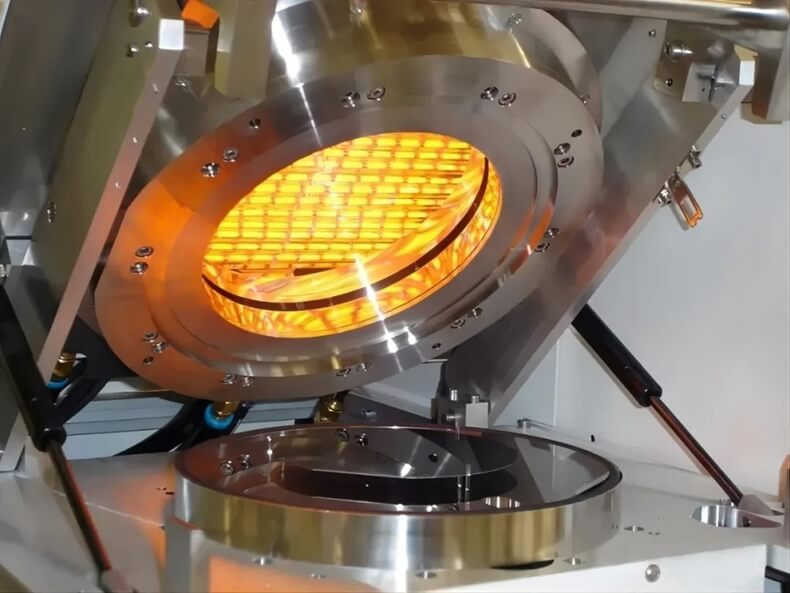
Standard quartz tubes are fragile. They hate thermal shock and they get eaten alive by chemical corrosion. To fix this, we seal our lamps inside high-grade quartz or borosilicate glass housings. Think of it as a physical wall between the heating element and the air around it. This way, those nasty volatile organic compounds (VOCs) never actually touch the hot filament. And we don’t just “close” the tube. We use hermetic sealing. If a lamp happens to break, the seal stops the internal halogen gas from reacting with the chemical fumes in your shop. It’s a safety net you hope you never need, but you’ll be glad is there.
Handling the Heat (Without the Hazards)
Getting a steady temperature is tricky when you’re working with liquid cleaning agents. We obsess over the wattage-to-length ratio. Why? Because we want the heat to spread evenly. You can’t have “hot spots” in a volatile environment. One tiny area getting too hot could hit the flash point of your chemicals, and then you’ve got a real problem. We also swapped out standard wiring for explosion-proof connectors and reinforced cabling. No arcing at the terminals. No sparks. Just clean, stable power.
The Trade-offs (Because nothing is perfect)
Here is the catch: adding a protective layer means you’re putting something between the heat source and your workpiece. You’ll lose a little bit of infrared transmission compared to a bare tube. To make up for that, you’ll want to bump your power levels up a notch. But be careful. If you crank the wattage too high without enough ventilation, the housing itself can overheat. That puts a lot of stress on the seals. Our best advice? Pair these lamps with a dedicated PID controller. It keeps the thermal footprint in a safe window so you can stop worrying about the equipment and focus on the work.