Introduction
We built this replacement filament for one place: the high-end wafer lines that can’t afford anything less than rock-solid performance. It’s for fab lamps that run all day, every day, where downtime and drift just aren’t options. This isn’t a one-size-fits-all bulb. It’s a direct swap, engineered to match the electrical and thermal behavior of premium brands you already trust.
Power, Voltage, and Dimensions: The Real-World Details
In a fab, heat has to respond the way you expect, instantly. That’s why this filament runs on a specific high-voltage rating, so it warms up fast and settles into a steady rhythm—even when the equipment is cycling hard. The wattage is tuned to deliver consistent radiant output without pushing the lamp housing past its limits. And size matters. The tube length and diameter match standard fab lamps, so it drops in clean. No bracket hacks. No wrestling with clearances. You need a replacement that behaves exactly like the original, in the same footprint.
Material and Design: Halogen, Quartz, and the Right Connector
Inside, you’ve got a halogen-filled filament sealed in a quartz envelope. The halogen chemistry helps keep the filament stable at high temps, reducing evaporation and keeping the light output consistent over time. No surprises. No gradual fade. The quartz does the heavy lifting on durability—handling thermal shock and holding vacuum integrity through repeated heat cycles. Then there’s the connector: R7s, the two-pin standard used across the industry. It’s about secure contact, clean alignment, and a swap you can do quickly when a tool is down. You wire it in, confirm the arc, and get back to work.
What It Does on the Line: Semiconductor Fab Performance
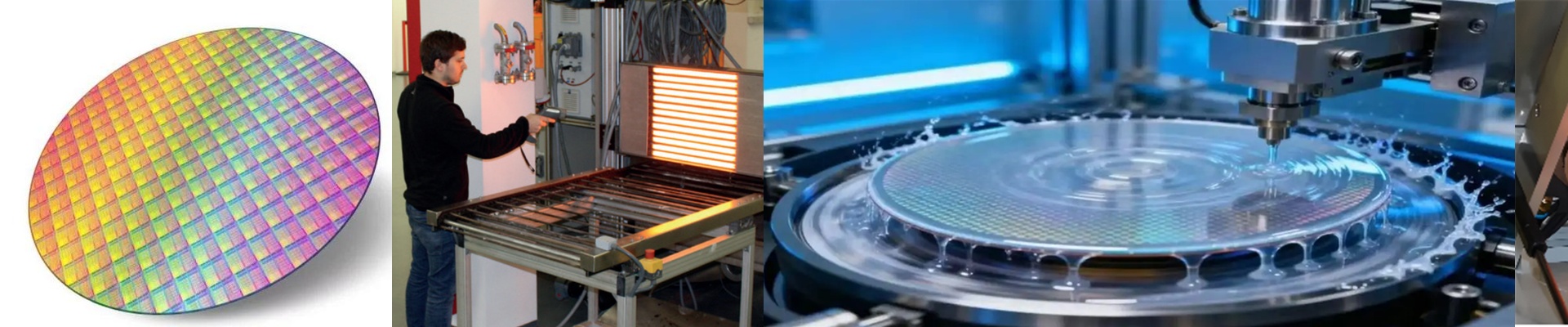
In a semiconductor fab, the lamp has one job: deliver repeatable heat that doesn’t introduce variability into the process. This filament brings predictable output, fast stabilization, and reliable ignition—because consistent wafer processing depends on it. Let’s be honest: high-wattage operation means intense heat density, so your machine’s cooling and thermal management have to be up to the task. If the housing can’t shed the heat, you’ll burn through components faster. We design for strong performance within those real engineering limits. And we’re putting this filament through on-site tests against international brands—measuring uptime, output stability, and how long you can run between maintenance stops. For engineers running high-end wafer lines, the proof isn’t in the spec sheet. It’s in the data coming off the production floor.