
Why we don’t take shortcuts with Vacuum IR Lamp testing
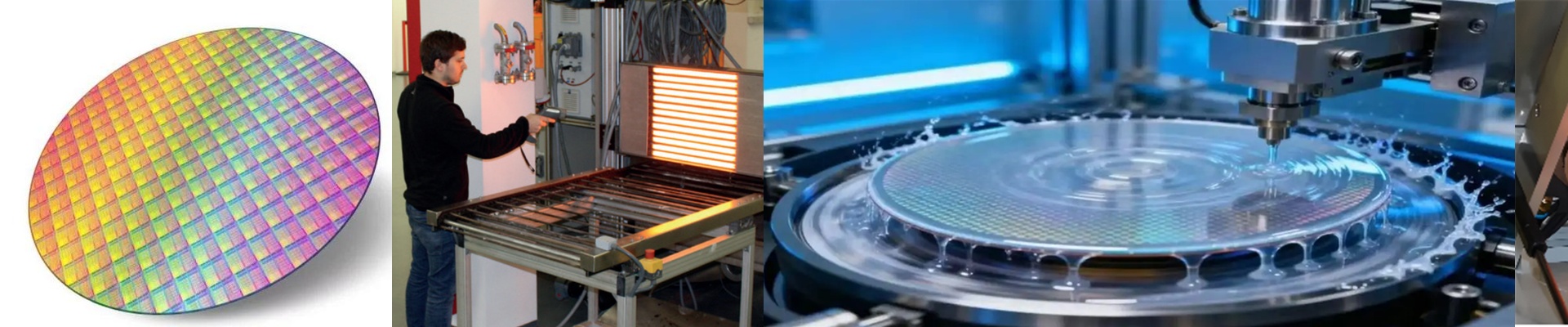
Vacuum chambers are brutal. They’re extreme environments where there’s basically zero room for error. When we’re building infrared heaters for these setups, a tiny electrical glitch isn’t just a nuisance. One single arc or a breakdown in insulation doesn’t just fry the lamp. It can mess up your entire chamber or trip your main power rails, bringing everything to a grinding halt. That’s a nightmare nobody wants.
We test every single tube. No exceptions.
Some shops just sample a few pieces from a batch and call it a day. We don’t do that. Every single tube that leaves our floor goes through high-voltage withstand (Hipot) and insulation resistance testing. Here’s why: in a vacuum, the way electricity behaves changes. The spot where the quartz envelope meets the electrodes becomes a huge risk. A microscopic crack or even a tiny smudge of grease on the glass can cause the lamp to arc. By pushing the voltage past the normal operating limit during our QC, we basically force any hidden flaws to show their face. We’d much rather find a failure in our shop than have you find it in the middle of a production run.
Heat, voltage, and the real-world struggle
High-wattage IR lamps pump out a massive amount of thermal energy, but that puts a lot of stress on the electrical connections. To stop things from migrating or burning out, we use very specific alloys for the electrodes. But remember, the lamp is only half the battle. You’ve got to make sure your wiring and connectors can actually handle the current. If your cable gauge is too thin, you’ll get a voltage drop, and your heating efficiency will tank.
A quick heads-up on handling
Now, we can test these lamps until we’re blue in the face, but that won’t fix a bad installation. Even a perfect lamp will fail if you touch the quartz with your bare hands. The oils from your skin create hot spots, and those hot spots lead to the tube rupturing. **Use gloves.**Keep the envelopes spotless. At the end of the day, your equipment stays safe based on how it’s handled on the shop floor just as much as how we tested it in the factory.