Stop Freezing in the Locker Room
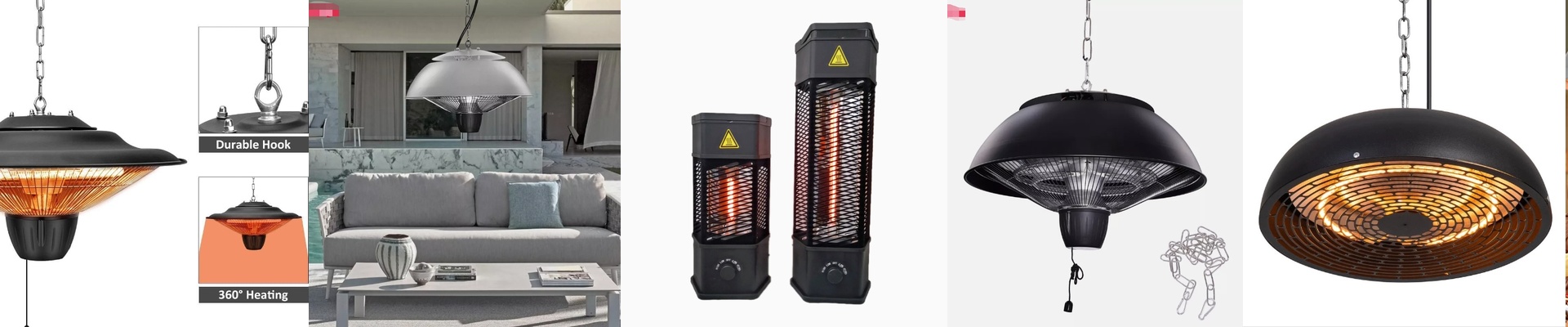
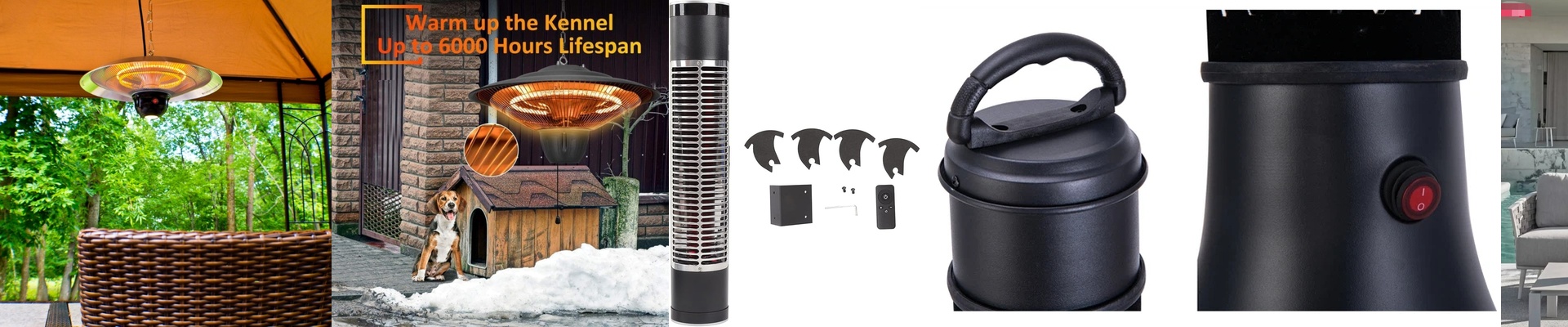
Let’s be honest: there is nothing worse than stepping into a freezing industrial changing area after a long shift. If you try to fix this with standard forced-air heating, you’re fighting a losing battle. The warm air just floats up to the ceiling, leaving your team shivering on the floor. It takes forever to actually feel a difference. That’s why we go with ceiling-mounted shortwave infrared (IR) heaters. Here is the secret: they don’t bother trying to heat the air. Instead, they send heat directly to the person and the floor. It’s like stepping into sunlight on a winter day. You feel it the second you walk under the unit.
How it actually works
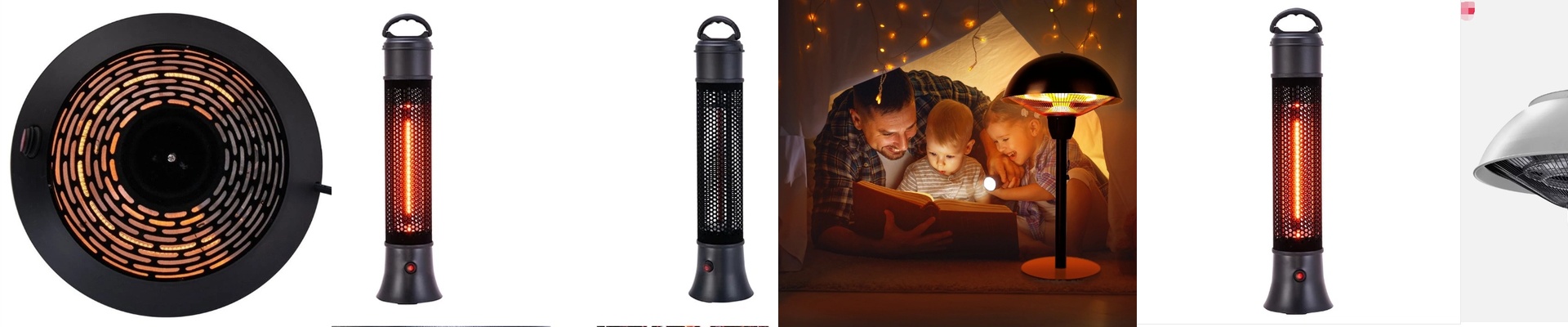
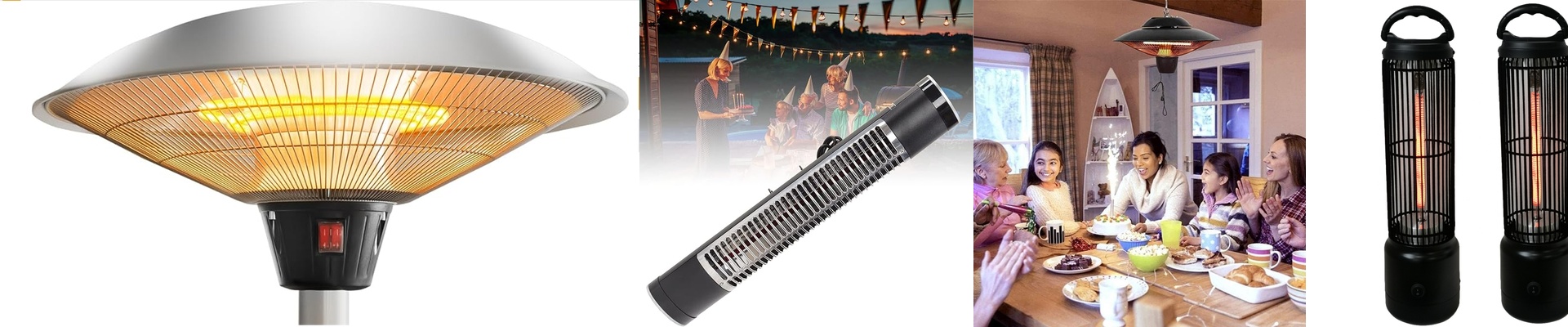
Inside the heater, a filament gets incredibly hot and sends out infrared radiation. We use shortwave IR because it’s the best tool for the job. It cuts right through clothing and sinks into the skin, giving you that “instant thaw” feeling. Since this heat travels in a straight line, you can be strategic. You don’t have to waste money heating the entire warehouse; you just aim the heat exactly where the people are standing.
Getting it installed
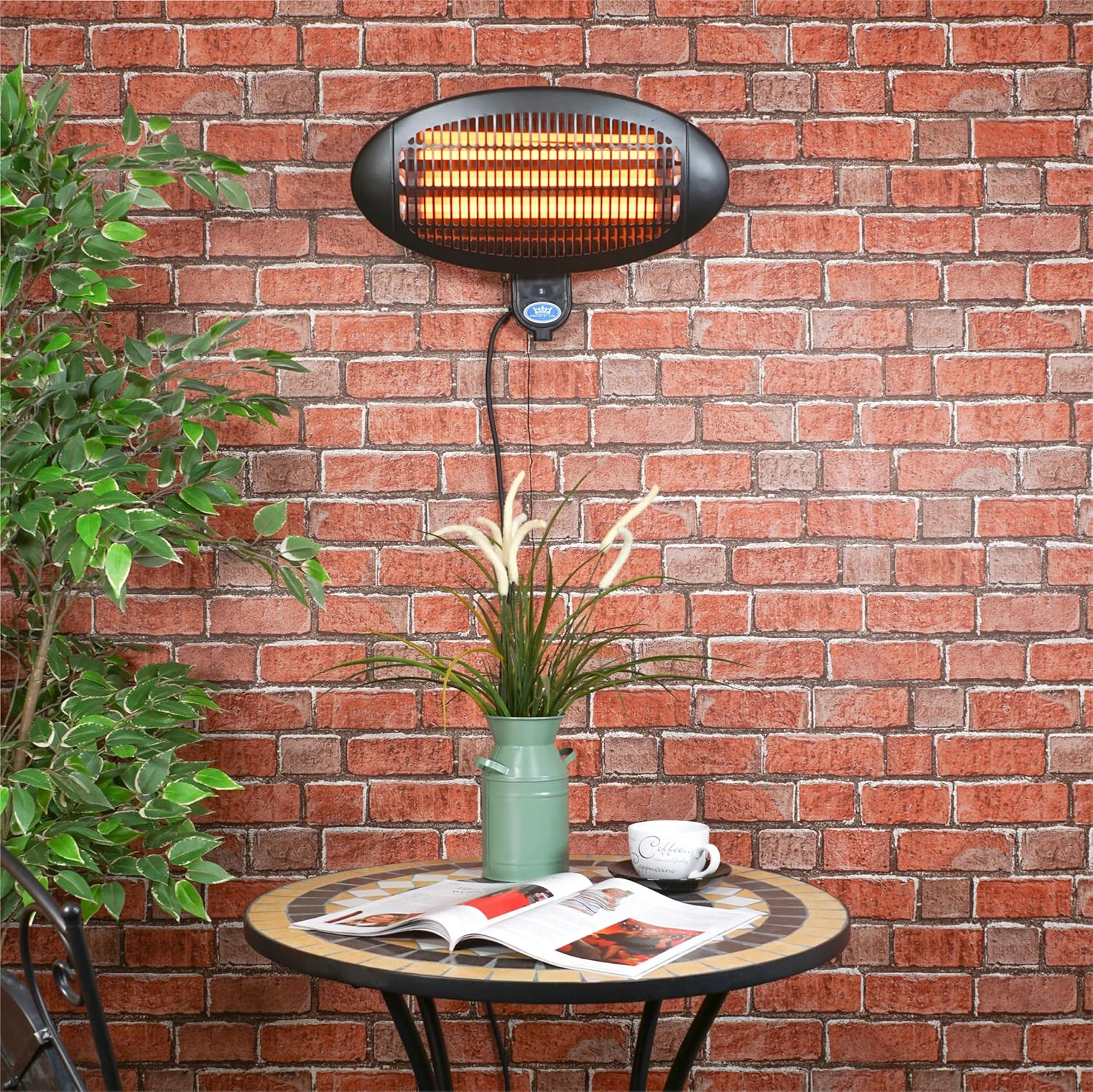
We usually mount these on the ceiling to give the heat plenty of room to travel. But keep in mind, the higher you hang them, the more power you’ll need to make sure the heat actually reaches the floor. It’s a simple balance of height versus wattage. On the electrical side, don’t cut corners. These units pull a decent amount of power when they first kick on. To avoid tripping your breakers every time the heat turns on, we recommend using dedicated circuits. It saves you a lot of headaches later.
The catch
Now, there is one thing to watch out for. Radiant heat is directional. If a worker is standing behind a big locker or a concrete pillar, they’re in a “shadow.” They won’t feel a thing. You can’t just put one heater in the middle of the room and expect it to fill the space like a boiler would. You have to map out the room. Look for the blind spots. If you place them right, you get a warm, comfortable space. If you guess, you’re going to end up with some very cold, very unhappy employees.