Why we’re switching to CNT heaters in semi-fab
For a long time, we’ve relied on convection ovens and halogen lamps to dry and cure semiconductors. They worked, sure. But they’re clunky. Between the push for zero-emission standards and the move toward lead-free materials, the old way just isn’t cutting it anymore. That’s why we’ve moved toward Carbon Nanotube (CNT) heaters. Instead of wasting energy heating up a giant box of air, these heaters send radiant heat directly to where it needs to go. It’s cleaner, faster, and just makes more sense.
The magic behind the heat
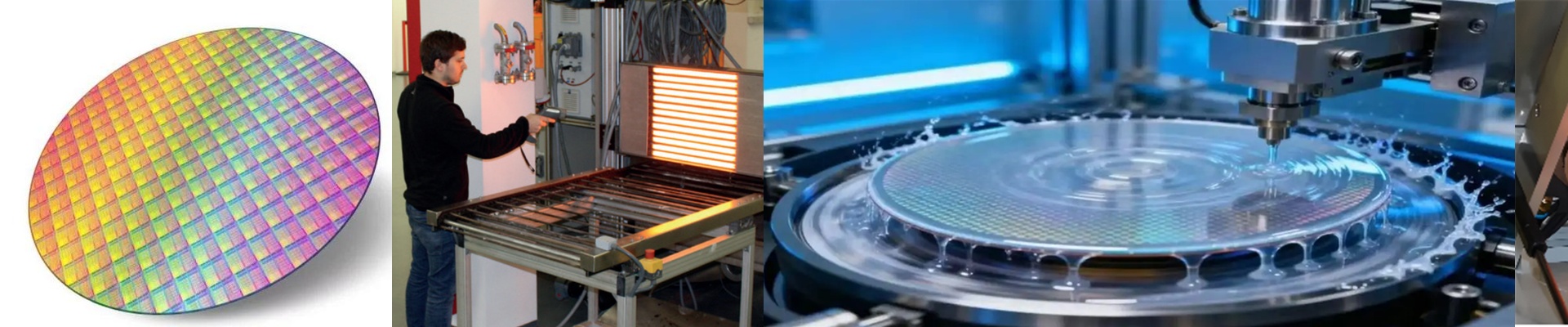
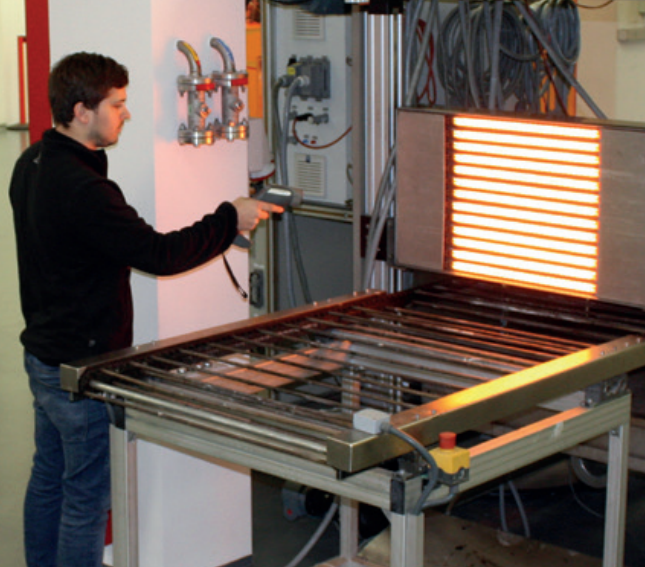
Here is how it actually works: we run a current through a network of carbon nanotubes. If you’ve used metal filaments, you know they take a while to warm up. They have to heat the whole bulk of the material first. CNTs don’t do that. They react almost instantly. You hit the switch, and you’re at operating temperature. No more waiting around for the heat to “catch up,” which is usually where those annoying uneven curing spots come from. We also use a thin-film setup. This keeps the heat spread evenly across the wafer. No hot spots, no warping your delicate silicon layers. Plus, since the energy is concentrated in the infrared spectrum, it sinks right into the coating. The air around it stays relatively cool.
Better for the planet (and your power bill)
Traditional curing is an energy hog. You’re often idling a massive oven for hours just to keep it ready. With CNT technology, you get a “cold start.” You turn it on when you need it and off when you don’t. When you look at the kilowatt-hours per wafer, the difference is huge. And since lead-free standards require a very specific temperature window—too hot and you get substrate degradation, too cool and you get solder voiding—precision is everything. We’ve built these with control loops that respond in milliseconds. You get a level of tightness that halogen lamps simply can’t touch.
A few things to keep in mind
Now, it’s not just “plug and play.” These arrays pack a massive amount of heat into a tiny space. You have to make sure your substrate carrier can actually handle that kind of rapid energy transfer. If your conveyor belt is moving too slowly, you’ll end up over-curing the edges of your wafers. It takes a bit of tweaking to get the belt speed and the wattage in sync, but once you nail that calibration, the process is rock solid.