Keeping Your Class 100 Cleanroom Actually Clean
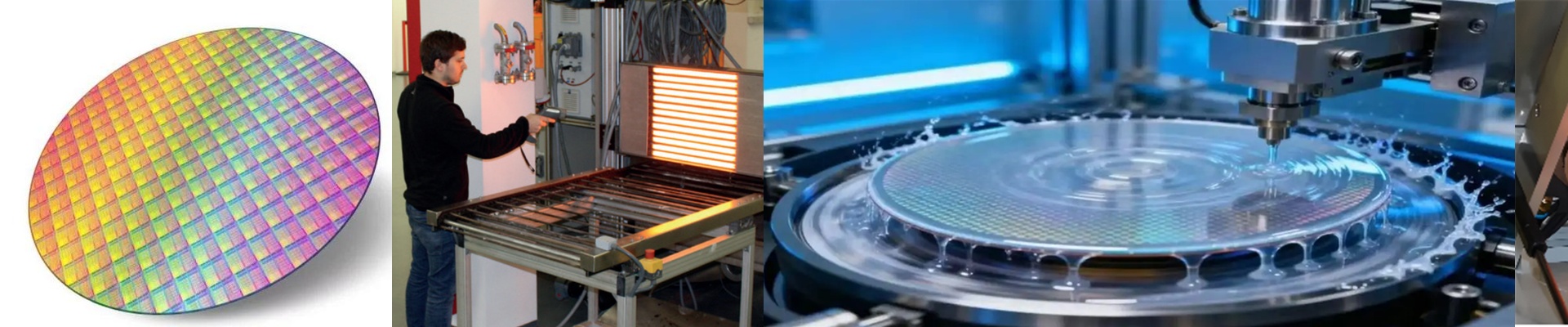
If you’re running a Class 100 (ISO 5) cleanroom, you already know the nightmare. One tiny flake of dust or a bit of outgassing from a heating element, and your whole batch is trash. It’s stressful. Most standard heating lamps just aren’t built for this; they tend to flake or shed particles as they heat up and cool down. That’s why we stick with high-purity fused silica quartz. Why the quartz matters We use synthetic fused quartz because it strips out those metallic impurities you find in the cheap stuff. When you crank up the heat, this material doesn’t break down. It doesn’t shed. Think of the quartz tube as a tight, hermetic seal for the tungsten filament. It keeps the oxygen out and stops the lamp from “spitting” particles right onto your production line. It just stays clean. Handling the heat without the headache Here’s the thing: if you hit a cold lamp with full voltage instantly, you’re asking for trouble. You risk creating micro-fractures in the glass. To stop that from happening, our digital infrared controllers manage the power ramp-up. It’s a controlled climb. You still get a fast response, but you aren’t shocking the system. Plus, because these have a high wattage density, they don’t take up much room. Less gear in the cleanroom means less air turbulence. And less turbulence means fewer particles dancing around where they shouldn’t be. A few things to watch out for Now, there’s a catch. High-purity quartz is incredibly clean, but it’s also brittle. Whatever you do, don’t touch the lamps with your bare hands. The oils from your skin leave deposits on the glass. When the lamp heats up, those spots become “hot spots,” which puts stress on the quartz until it cracks. Grab some lint-free gloves and some isopropyl alcohol before you start the installation. Your equipment will thank you. One last tip: if you’re setting up a big array of these, keep an eye on your ventilation. These lamps are clean, but they put out a massive amount of heat. Make sure your cooling system can actually handle the BTU output, or you’ll end up cooking your own electronics.