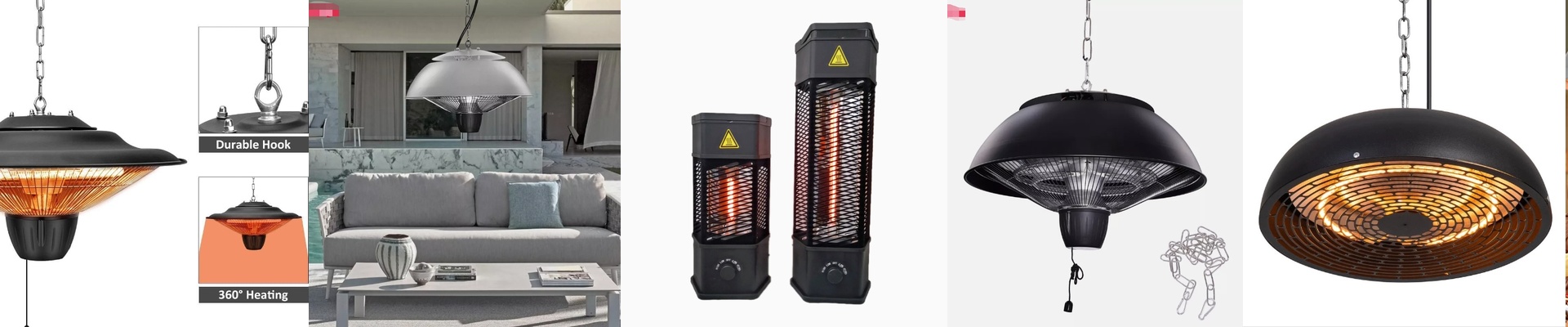
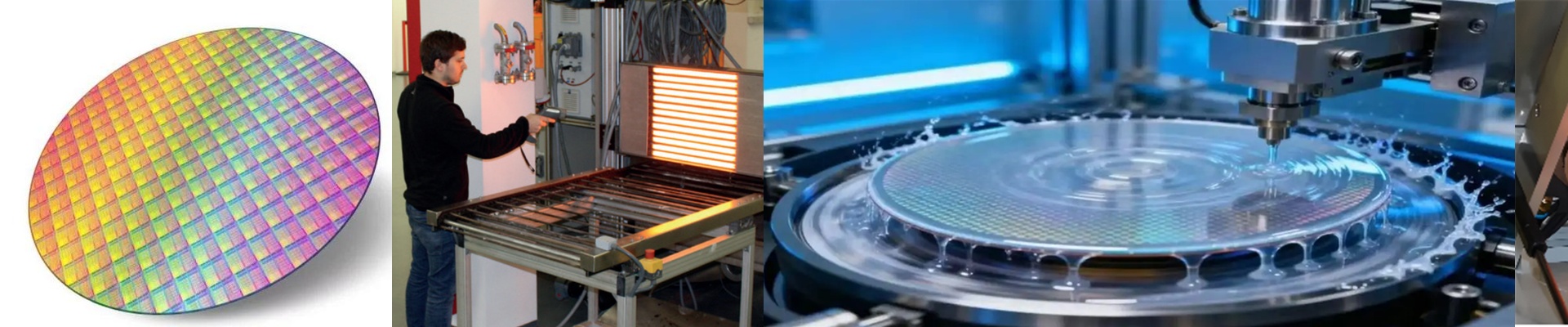
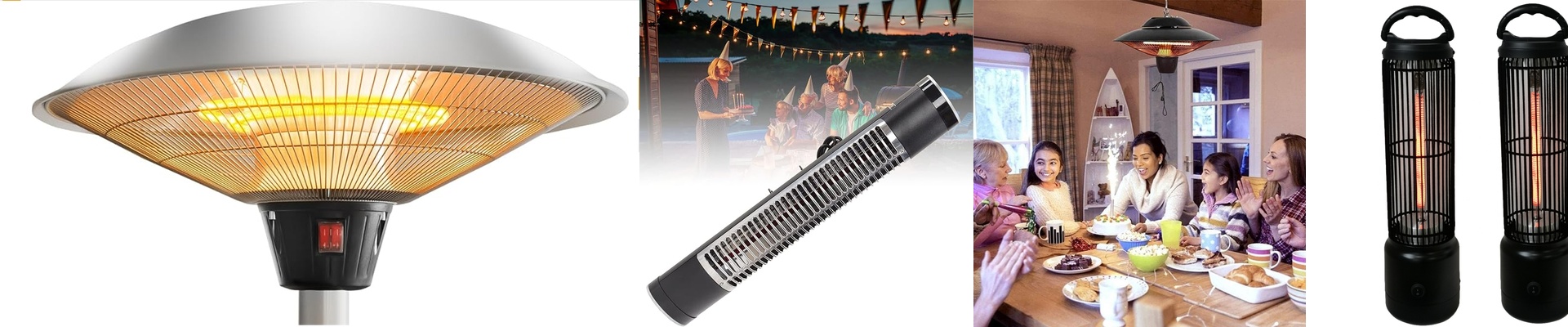
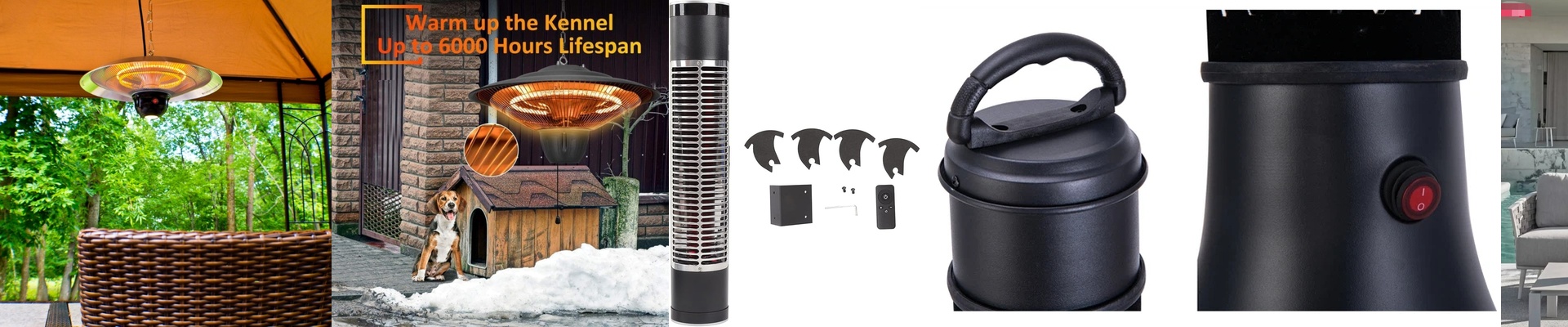
Why we obsess over the electrical safety of our gold-reflector IR lamps
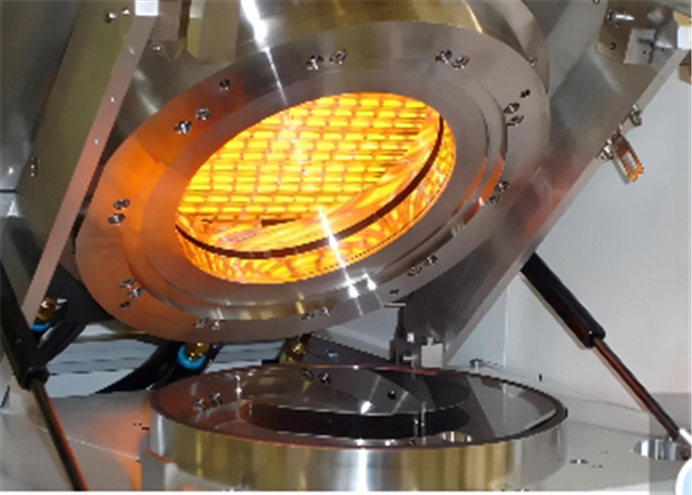
We use gold reflectors in our infrared bulbs for one simple reason: we want as much heat as possible hitting your target. The gold coating bounces that IR radiation right back where it belongs, cranking up the thermal density. But here’s the catch. When you push that much wattage through a small quartz tube, things can get risky.
We test every single bulb. No exceptions.
Some companies just test a few samples from a batch and hope for the best. We don’t do that. Every single tube that leaves our shop goes through a full withstand voltage and insulation resistance test. Why? Because in a high-end industrial setup, a tiny pinhole in the insulation or a microscopic crack in the seal is a disaster waiting to happen. If a lamp pops mid-cycle, you aren’t just looking at a stopped production line. You’re looking at fried control boards or blown fuses in your power supply. That’s a headache nobody needs. We hit the lamps with a high-voltage stress test to make sure the quartz and the gold layering aren’t messing with the electrical isolation. It’s the only way to be sure you won’t deal with any nasty arc-overs.
The trade-offs you should know about
Gold reflectors are amazing for efficiency, but they add a layer of complexity to the surface of the lamp. You get incredible heat distribution, but you have to be careful with them. A physical scratch on that reflector isn’t just a cosmetic issue. It can create a “hot spot” or a weak point in the electrical integrity. And a quick tip if you’re running these at max voltage: make sure your wiring and sockets can actually handle the heat. Because the gold reflector pushes so much energy forward, the back of the lamp stays relatively cool, but the target area is taking a beating. Double-check that your cooling fans are positioned to move that reflected heat away. We do the heavy lifting on the testing side so you can just slide these into your machines and get back to work without worrying about a catastrophic failure.