IR Heating vs. Hot Air: A Better Way to Build Bio-Sensors
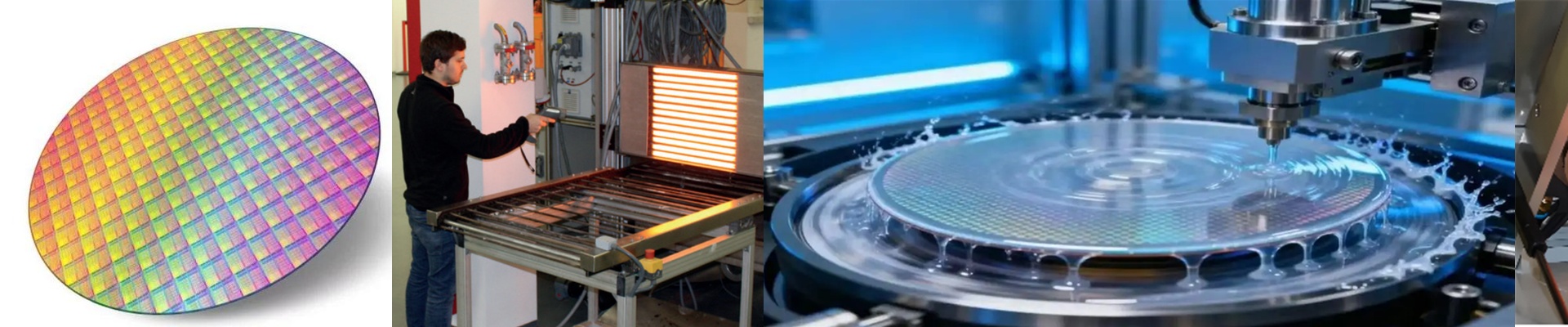
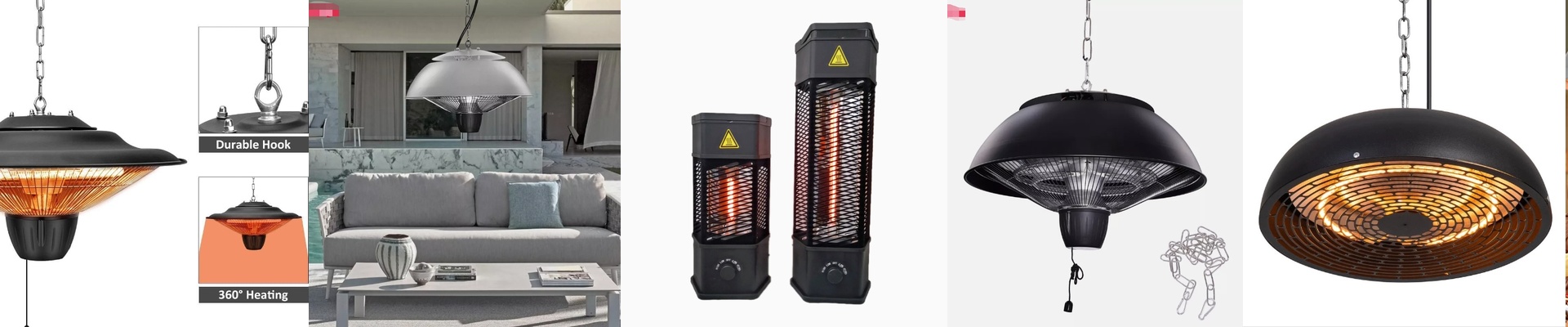
If you’ve been building bio-sensors for a while, you know the drill. You’ve got a curing and drying process that feels like it takes forever. Most of us are still using those old-school hot air systems—you know, the ones that just blow hot air over the substrate and hope for the best. It works, sure. But it’s slow. Because you’re relying on air, you’re dealing with this annoying thermal lag that just eats away at your production time. Here is the thing about IR lamps: they just skip the middleman. Instead of heating the air, IR lamps shoot energy straight into the material. It’s electromagnetic radiation, which is just a fancy way of saying it hits the target instantly. In deep processing, this is a huge win. You aren’t sitting around waiting for the whole chamber to warm up. Your substrate hits the right temperature in seconds. And for bio-sensors, that speed is everything. It lets you set the top layer perfectly without accidentally cooking the base material. You get a much tighter window to work with. Plus, your floor space opens up. When you ditch the hot air, you can get rid of those massive blowers and the messy ductwork used to keep things even. You can just use focused IR arrays to hit exactly where the wafer needs heat. The control is the best part. You can plug these lamps right into your existing PLC. When you flip the switch, the heat is there. When you turn it off, it’s gone. No more waiting for a giant oven to cool down. You get total control over the “dose” of heat your part receives. But there is a catch. IR lamps put out a ton of heat in a very small space. If your machine’s frame isn’t built for that kind of radiant heat, things can get messy. We’re talking warped frames or sensors acting up because they’re too hot. You have to be smart about it. Balance your lamp wattage with some solid active cooling for the housing. If you don’t, you’ll end up with thermal drift, and all that precision you worked for goes right out the window.