
Cutting Carbon in Semi Heating (Without the Headache)
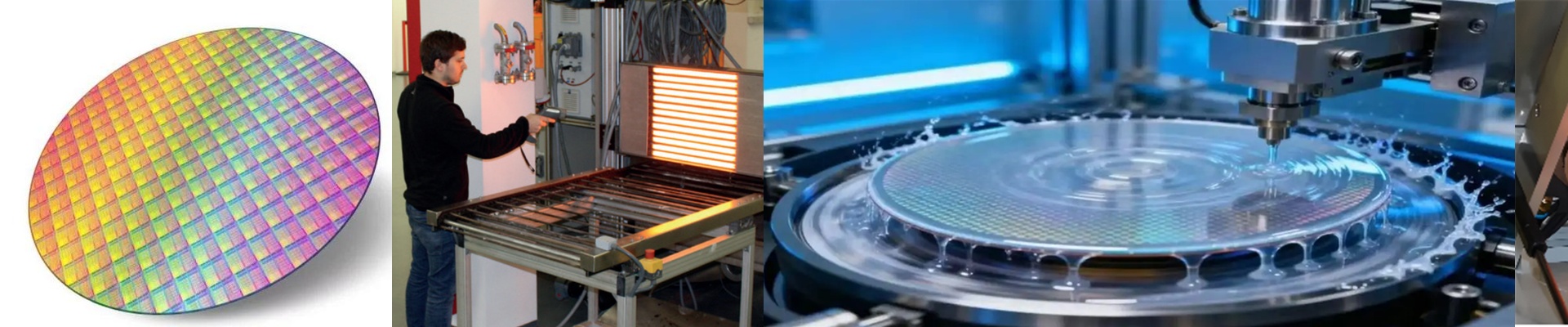
Making semiconductors is all about heat. But if you’ve spent any time on a fab floor, you know how much energy just… vanishes. Most of the old-school resistive heaters are basically space heaters for the entire machine chassis. It’s a waste. If we actually want to hit those green factory goals, we have to stop heating the air and start heating the wafer. That’s where gold-coated shortwave infrared (SWIR) lamps come in. The magic of the gold coating Here is how it works. A normal quartz lamp throws heat in every direction. By adding a thin layer of gold to the quartz, we create a mirror for the “wrong” kind of heat. The long-wave radiation gets bounced right back into the filament, while the short-wave IR shoots straight through to the wafer. Instead of the whole machine getting warm, you get a concentrated punch of heat exactly where it needs to be. It’s lean. It’s efficient. Speeding things up Because these lamps pack so much power into a small area, your ramp-up times for baking or curing just plummet. It’s fast. Really fast. And that changes the math on your electricity bill—fewer kWh per wafer. We’ve built these to handle the quick on-off switching that PID control loops demand, so you don’t lose that precision. But a word of advice:check your cooling. Since the gold coating pushes so much heat forward, the back of the housing can still get surprisingly hot if your airflow is lazy. If your cooling isn’t dialed in, you’re looking at burnt-out filaments. Not a fun way to spend a Tuesday. Cleaning up the footprint The best part? You can actually shrink your heating zone. You aren’t relying on the “soak” of the surrounding air anymore. This is the most direct way to knock down CO2 emissions per unit. For most of you, these are a drop-in replacement for your old halogen setups. Just double-check that your power supply can handle the specific voltage and current these high-output tubes pull, and you’re good to go.