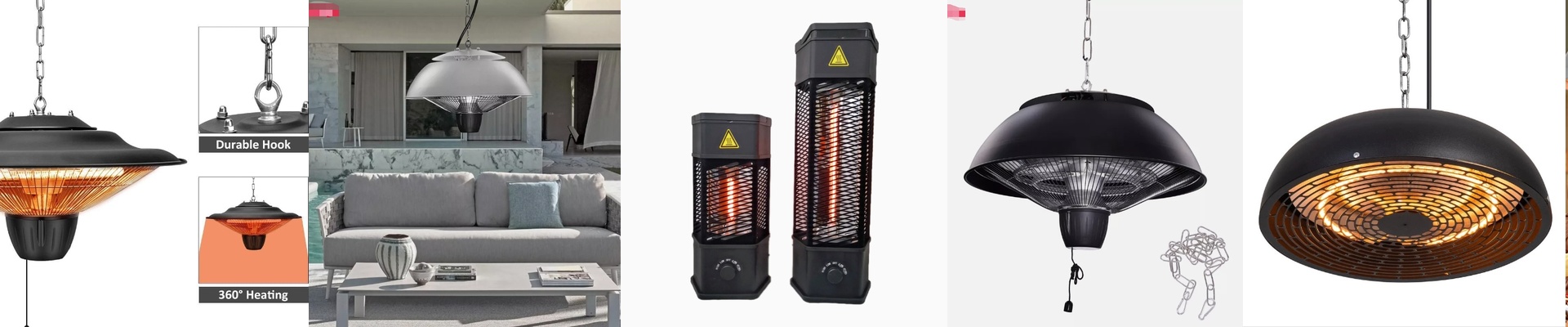
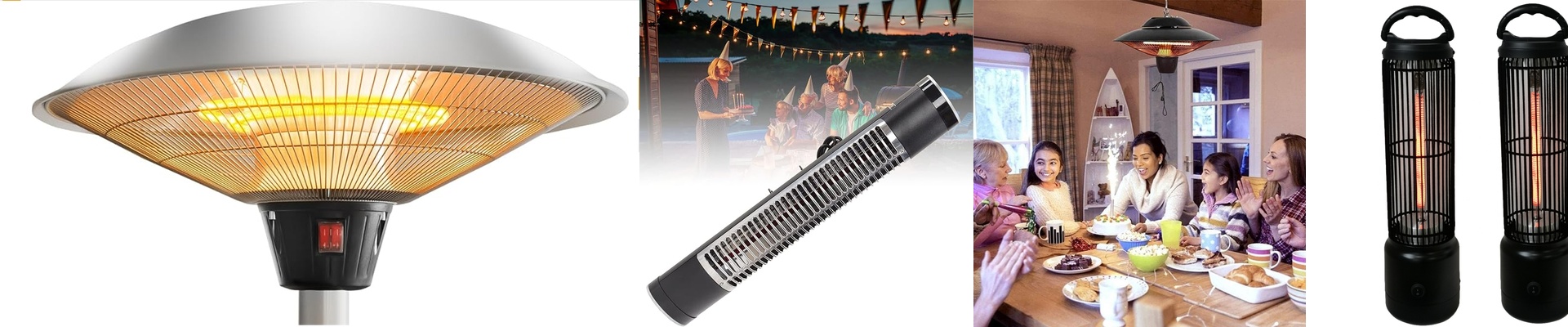
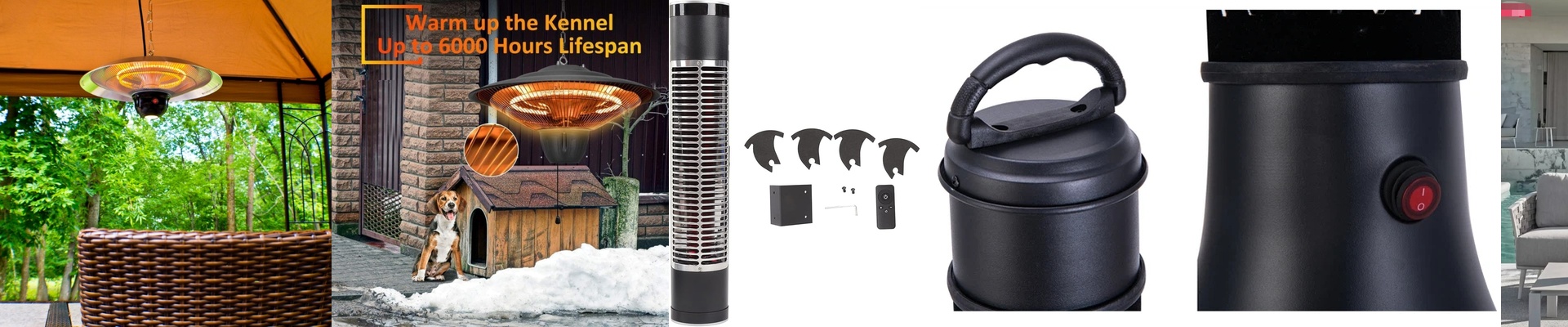
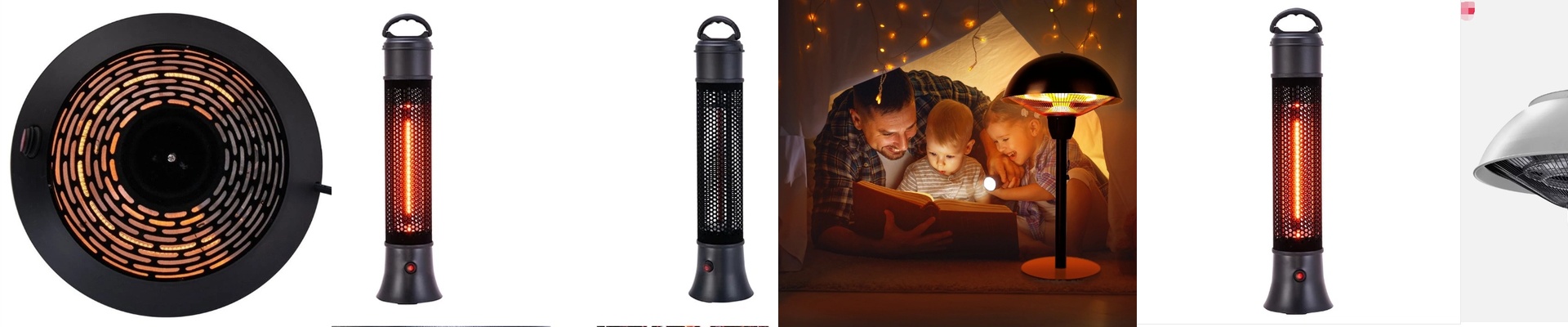
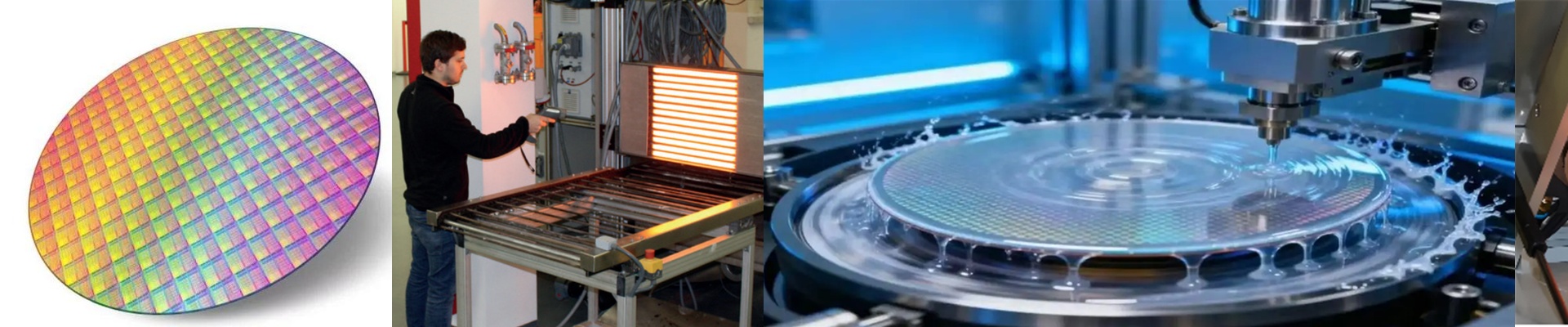
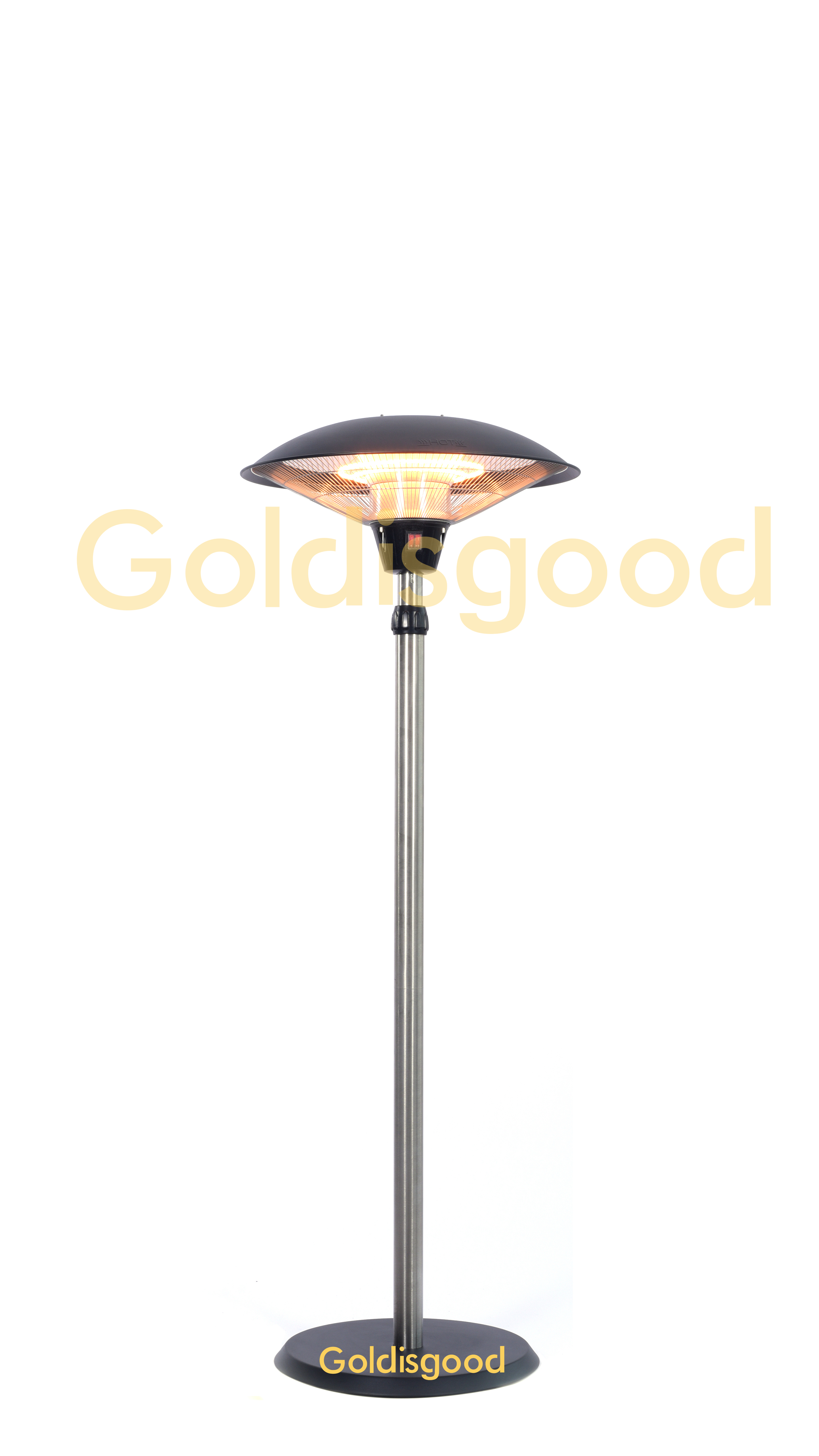
Once the air gets that bite, comfort shouldn’t hinge on finding the right plug or wrestling with mismatched voltage. We build infrared electric heaters to warm people directly—so your outdoor evenings, sunrooms, and workshops stay cozy without the guesswork. What actually matters under the hood Infrared heaters work the way the sun does: radiant heat delivers warmth straight to people and surfaces, not to the empty air around them. Inside, you’ll find proven elements—quartz tubes or carbon fiber emitters—paired with a thermostat for steady control. The differentiator is power and compatibility. We engineer for real-world use: 120V and 240V are standard, and we can set up units to match regional voltage and plug types across many markets. Output typically runs from 1.5 kW to 3.0 kW, so you can match the heat to the space—whether it’s a tight patio or a larger covered deck. For outdoor installations, we spec IP-rated housings to handle rain and dust, plus the basics: tip-over protection and a thermal cutoff. Why this approach holds up in the field When you’re specifying heaters across different countries, getting the voltage and outlet match nailed up front means fewer headaches and fewer returns. Installation stays faster and cleaner because the unit arrives ready for the local grid. For families, the payoff is immediate comfort. Infrared warmth hits fast, and that quick, direct heat makes cool evenings feel relaxing. Energy use stays focused, too—you’re warming the people in the space, not the ceiling. What to watch for before you order Voltage and outlet standards vary, so confirm the exact spec for your region before placing the order. For continuous outdoor use, pick the right IP rating and position the heater so it’s not taking the full force of driving rain. Also, infrared heat delivers comfort fast, but the surrounding air can still feel cool. In very cold or windy conditions, pair it with an enclosed space or add supplemental air-side heating.