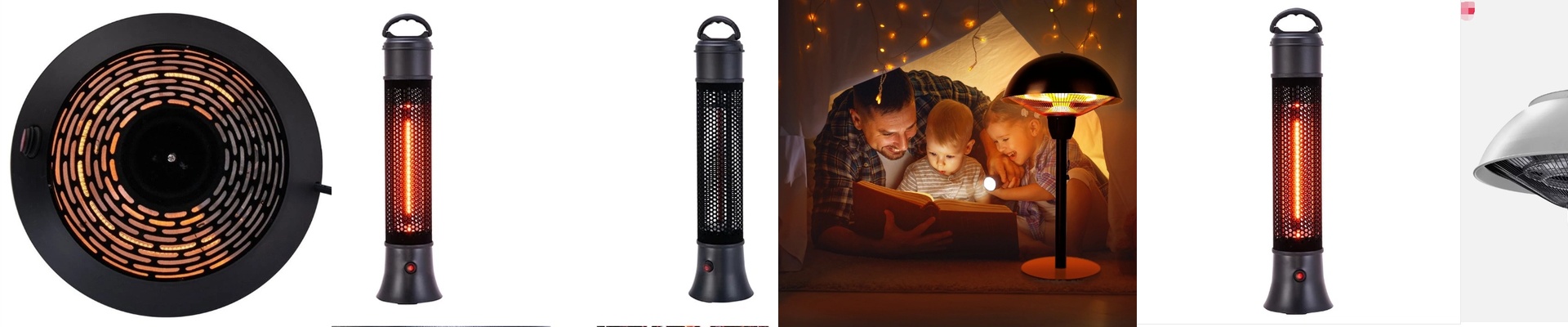
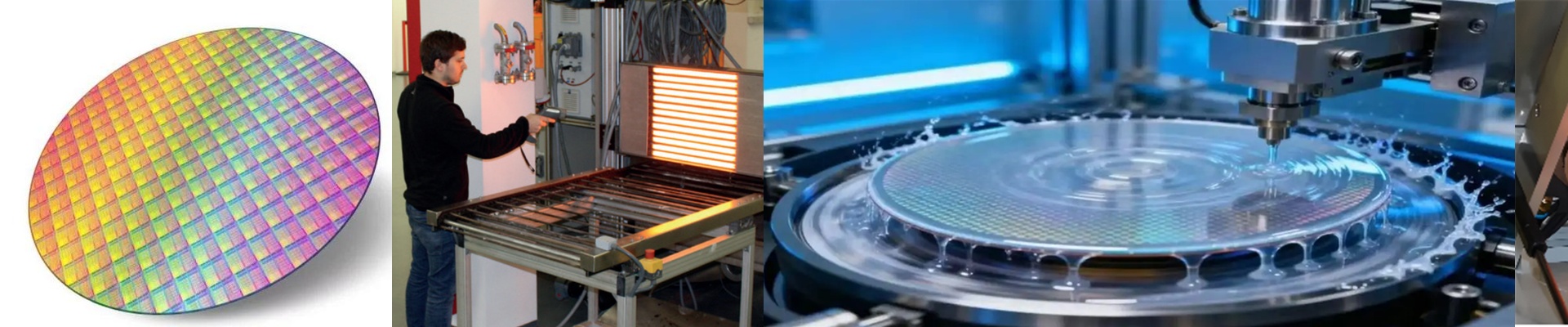
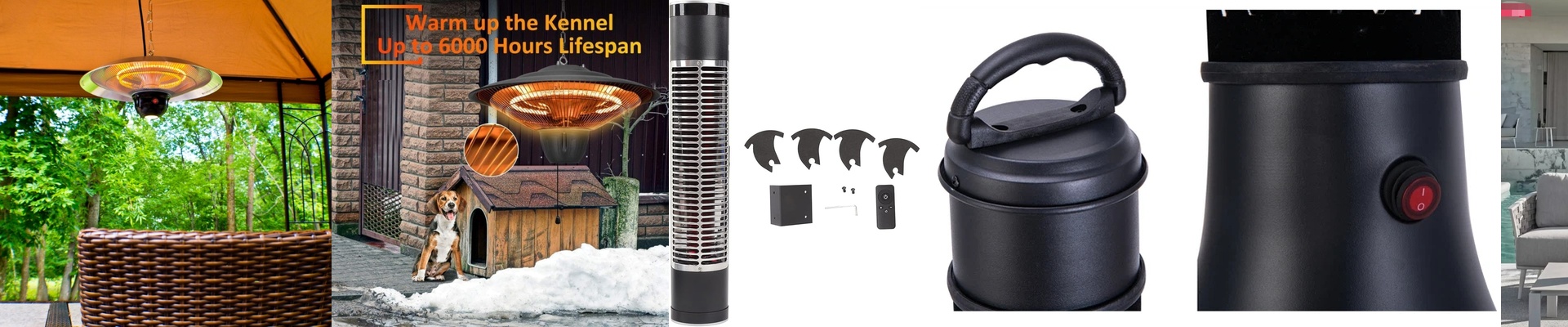
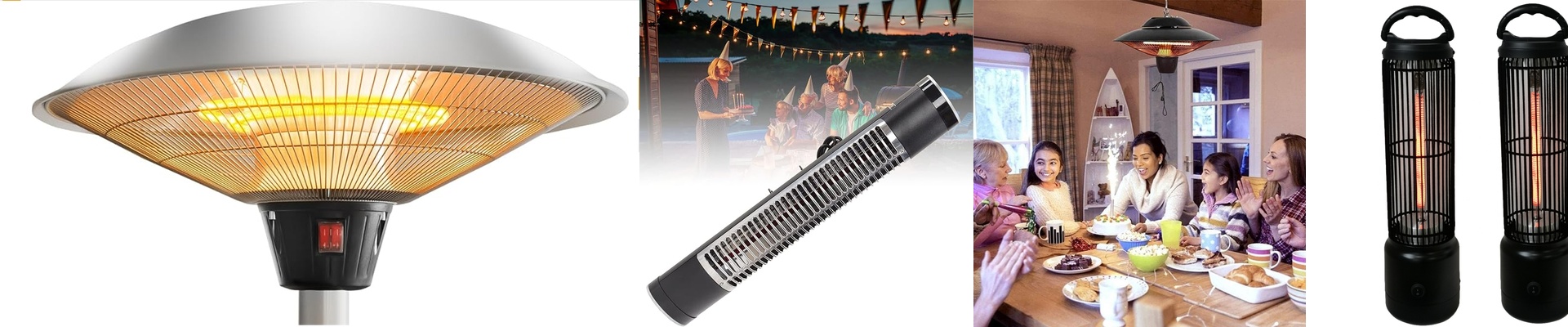
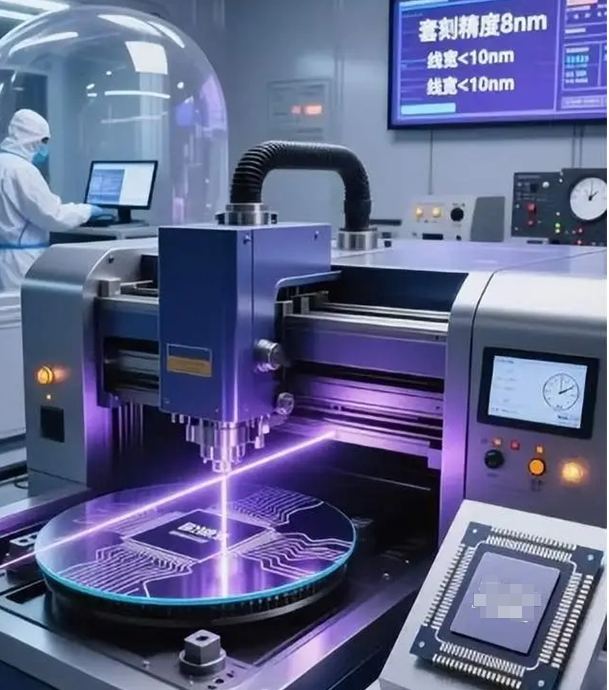
On the fab floor, thermal drift during wafer drying or photoresist bake doesn’t show up as a catastrophic failure. It shows up as yield slipping, CD distribution spreading, and rework tickets that eat your day. With a tight thermal budget, there’s zero room for hot spots, cold edges, or setpoints that drift between runs. What matters under the hood We built the twin-tube infrared heater around short-wave quartz emitters. They dump energy directly and fast, and the response is immediate. The twin-tube layout concentrates power density without taking up space, so it drops cleanly into spin tracks, coat/bake modules, and curing stations. Across the active zone, temperature uniformity holds ±0.1°C, and the control loop is tuned for repeatability so your bake profiles stay consistent shift after shift. Cleanroom compatibility isn’t a tagline. The materials and build keep particle generation near zero, which is what you need for Class 1–100 environments. Why it plays in our world Wafer drying and cleaning dry-off finish quicker because IR hits the wafer directly instead of heating a whole volume of air. In photoresist processing, the lamp holds steady soft bake and hard bake temperatures, which improves line-edge roughness and cuts defects that trace back to thermal non-uniformity. For packaging, it delivers a uniform cure for encapsulants and underfills, so glass transition and adhesion behave predictably. You also save energy because the lamp heats only the target. Reliability is proven, too: units run 5,000+ hours with less than 5% output drop. The things you learn the hard way IR is line-of-sight. Metal fixtures can reflect heat, and chucks cast shadows, so you can end up with local hot or cold spots. That means lamp position has to be thought through with optics and geometry. We give you a clear mounting envelope and recommend a one-time alignment at install. After that, the lamp runs as specified, and you just stick to routine lamp replacement intervals.