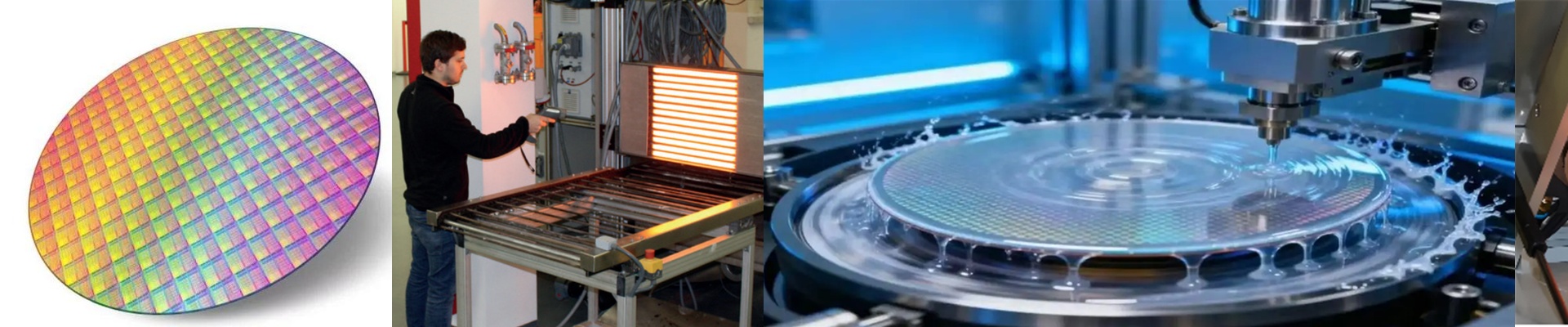
On the fab floor, a 0.1°C drift during the photoresist bake is all it takes to scrap a full lot of 300mm wafers. Interposer heating infrared lamps were built to stop that drift before it even shows up. Here is the technical heart of it. The lamp leans on short-wave infrared emitters with fast-response quartz elements, so you get rapid, localized heat. Wafer-level uniformity holds ±0.1°C across the interposer surface, and temperature repeatability stays inside a tight thermal budget. The peak wavelength is tuned to the photoresist absorption, so the energy lands where it matters—in the film—without cooking the underlying dielectrics. It runs 24/7, generates zero particles, and plays clean from Class 1 through Class 100. In lithography, we know the drill. Soft bake pulls solvents out and sets the photoresist profile. Hard bake locks the pattern before etch. Both steps need stable, uniform temperature, period. This lamp keeps the interposer thermal profile steady, which cuts line-width variation and keeps footing and scum from showing up after develop. The upshot? Higher yield, fewer rework lots, and CD control you can count on. Energy use drops, too, because the lamp heats the target zone, not the whole hot plate environment. A couple of practical notes. Installation needs careful optical alignment and cleanroom-rated mounting to keep particle counts where they need to be. Output intensity is calibrated for specific interposer stacks, so if the stack changes, you may need a quick tune of the setpoint profile. Plan the initial integration with your litho cluster and thermal controller interface up front. Once you get them matched, the process window opens up—and stays open.