Stop Fighting Your Outdoor Heaters
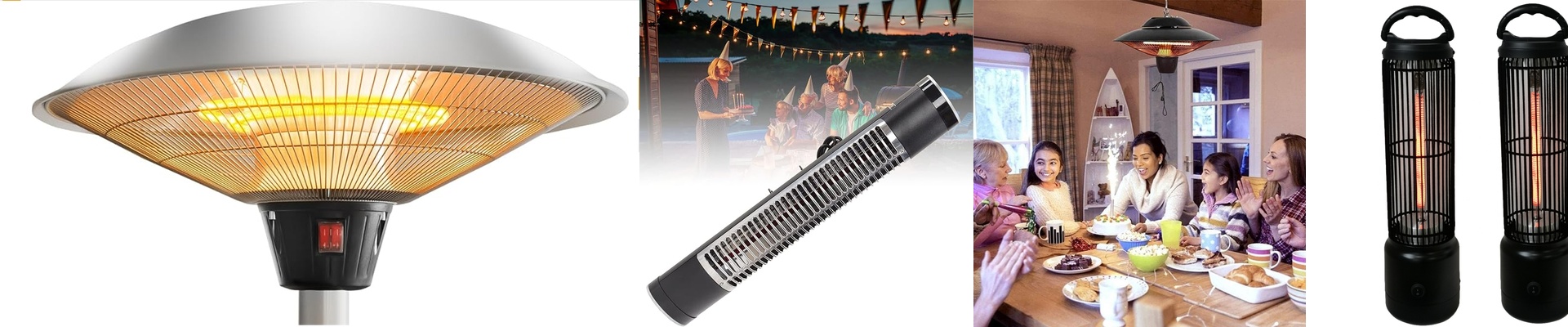
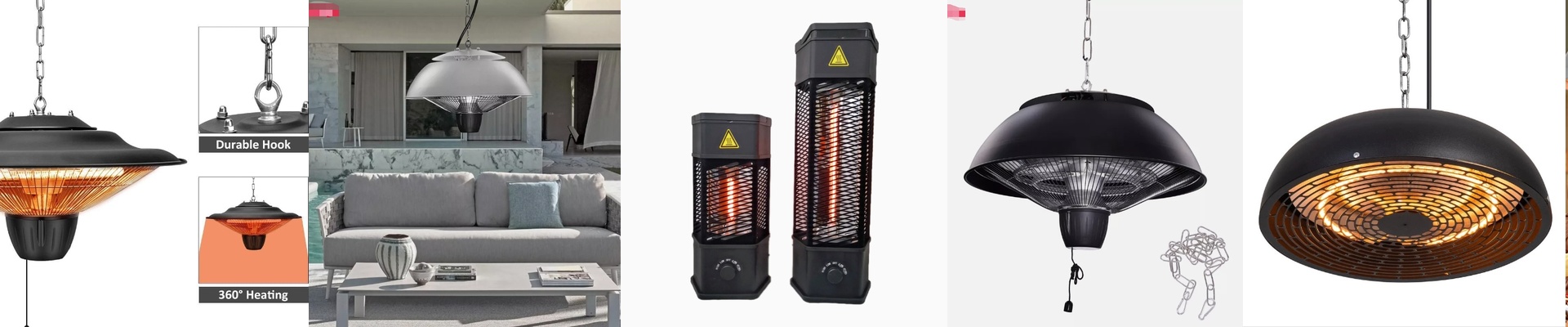
Let’s be honest: outdoor heating is a constant war against dust and rain. We build our IP65 infrared heaters to keep the elements out, but there’s a catch. If you seal a unit too tightly, maintenance becomes a total nightmare. Imagine it’s five years down the road and a heating element finally gives out. The last thing you want is to toss the entire chassis in the trash or spend your whole afternoon wrestling with weird, proprietary screws just to fix one part.
The “Plug-and-Play” Approach
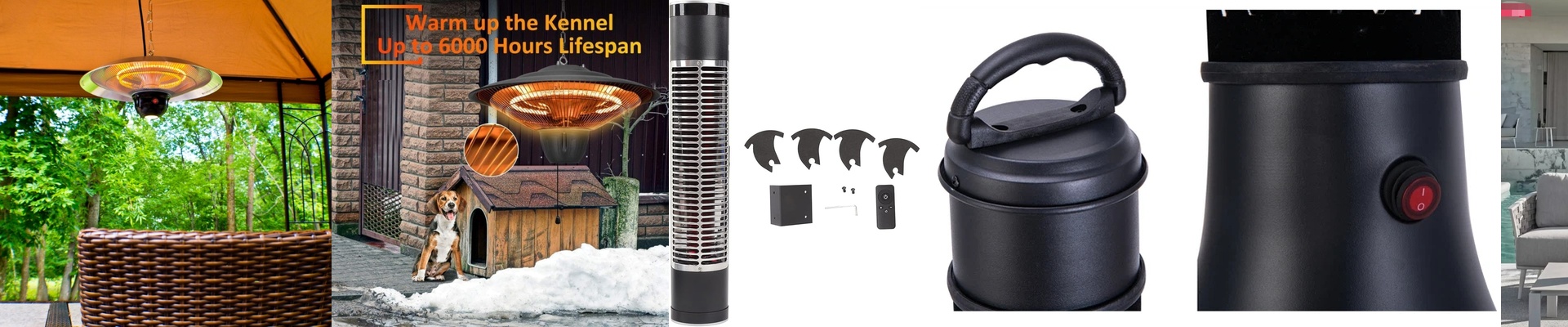
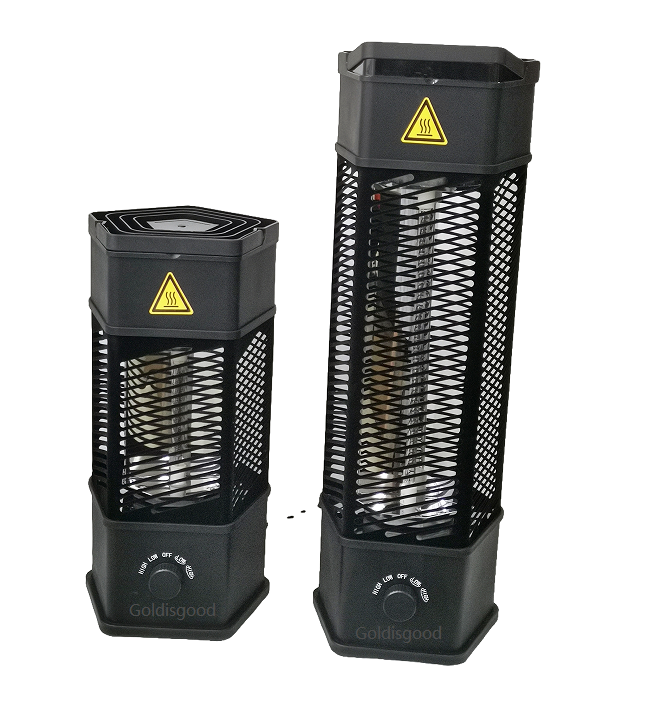
We decided to do things differently. Instead of hard-wiring everything into the main circuit, we separated the heating element from the main waterproof housing. Think of it like a tray. The heating array just sits in a dedicated bracket. When a tube fails, you don’t have to rewire the whole machine. You just pop open the access panel, pull out the old module, and drop in a new one. It turns a grueling multi-hour repair into something that takes a few minutes.It’s just easier.
Keeping the Water Out (Without the Headache)
To get that IP65 rating, you need gaskets and compression fittings. Most seals get brittle and crack after being heated and cooled a thousand times. Not ours. We use high-temp silicone that actually holds up. But here’s the tricky part: those seals only work if they’re seated perfectly. If you’re off by a millimeter, the rain gets in. To fix that, we added keyed alignments. The module only fits one way. You can’t mess it up. You slide it in, it clicks, and you know it’s waterproof.
The Reality of the Field
A lot of engineers pick heaters based on how much heat they put out on day one. They completely forget about what happens in year five. That’s where this design pays off. You don’t need a full system overhaul just because a filament wore out. You keep the expensive enclosure and the electronics, and you only replace the part that actually wears down. It’s just a practical way to handle the grit and grime of the real world.