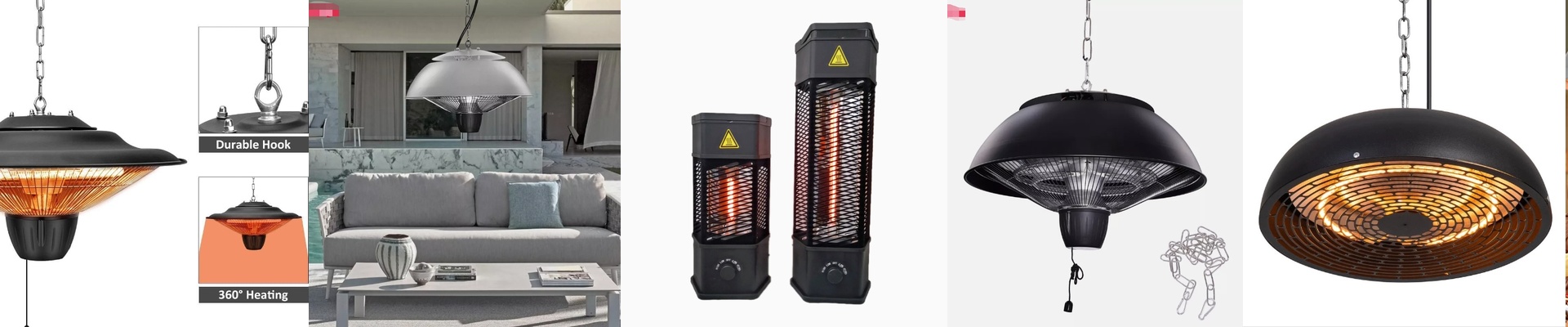
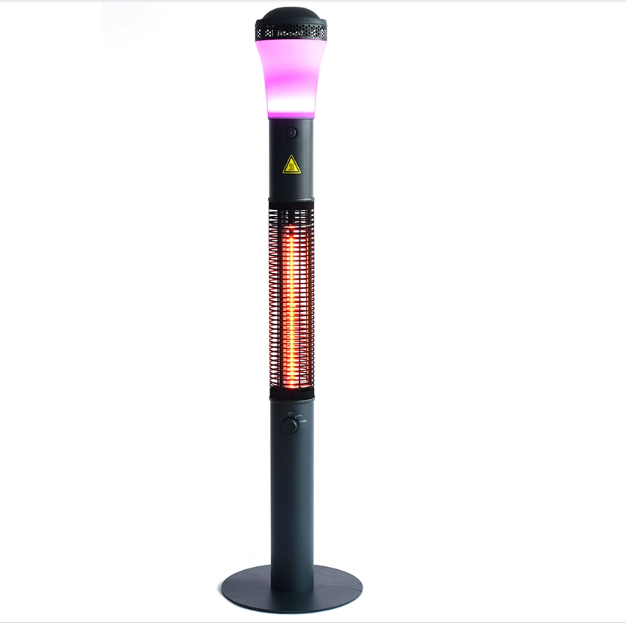
How to actually keep outdoor changing areas warm
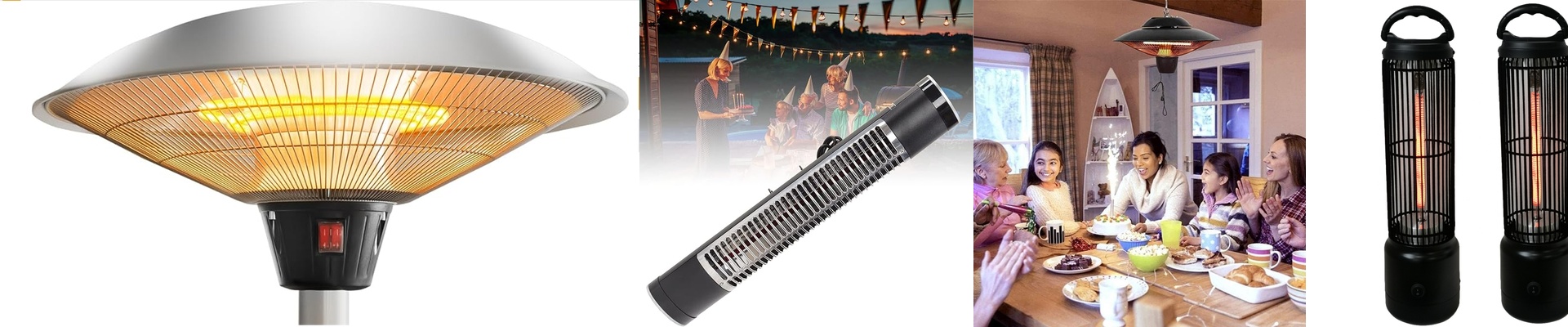
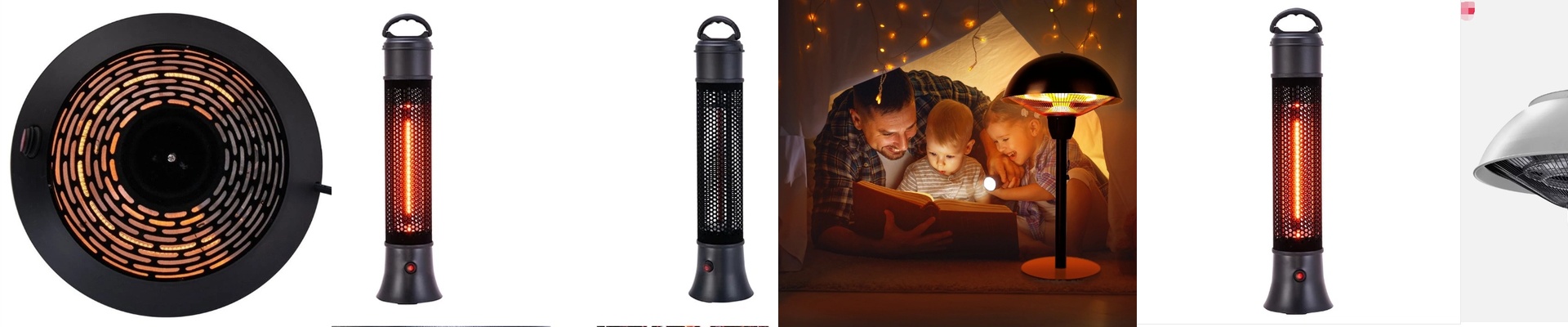
Nobody likes shivering in a freezing changing room. If you’ve ever tried using a standard space heater in a drafty outdoor area, you know the struggle. You’re basically trying to heat the entire outdoors—which is impossible. The warm air just floats away or gets blown out the door before it even hits you. That’s why we use shortwave infrared. Instead of trying to warm up the air, these lamps send out waves that heat you and your gear directly. It’s like stepping into a patch of sunlight on a crisp winter day. You feel that warmth hit your skin the second you turn it on, even if the air around you is still freezing.
The secret to that “instant” warmth
To get that high-end, cozy feel immediately, we use high-wattage quartz elements. These things run incredibly hot, which pushes the heat into that “shortwave” spectrum. Why does that matter? Because shortwave heat is a powerhouse. It cuts right through the wind and doesn’t get soaked up by humidity or moisture in the air. If you have high ceilings or a breeze ripping through the room, this is really the only way to go.
Built to take a beating
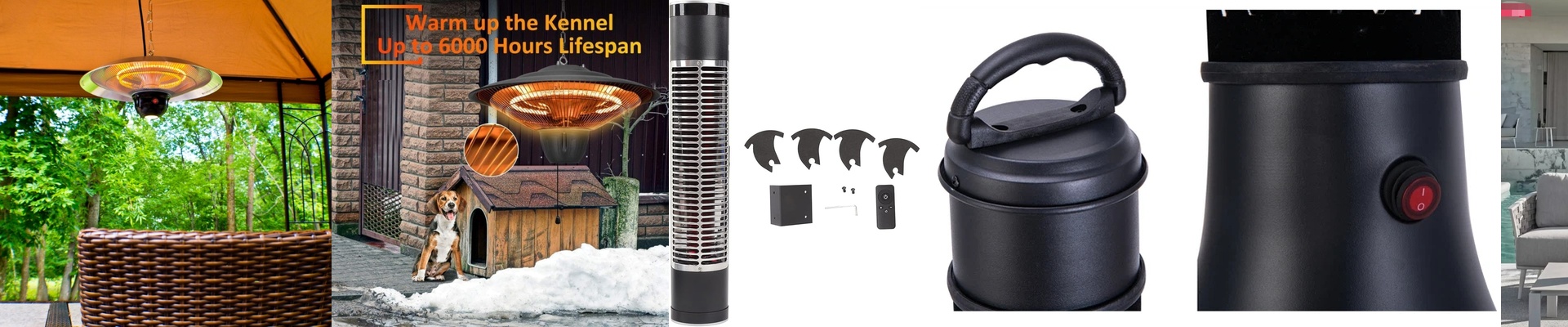
Outdoor gear has a tough life. Between the humidity and the occasional spray of water, things rust or break fast. We wrap our elements in IP65-rated housings. In plain English: they’re dust-tight and can handle a direct jet of water without breaking a sweat. We also use tempered glass and alloys that won’t pit or corrode, so the units actually last. One quick heads-up: these things put out a lot of heat. Like, a lot. If they’re too close to a wooden wall or a curtain, you’ve got a problem. We always suggest leaving at least 2 meters of breathing room from anything that could catch fire.
A note on the wiring
Before you go all-in, take a look at your electrical panel. These heaters pull a decent amount of current, especially when you’re running a few of them at once during a cold snap. You’ll want a dedicated circuit for these. If you just plug them into an existing line, you might find yourself tripping the breaker right when your guests need the heat most. They fit right where your old electric bars used to be, but they’re hungrier for power because they work so much faster.