Getting Your Bathroom Heat Just Right
Nobody likes stepping out of a hot shower into a freezing bathroom. But here’s the thing: you can’t just throw the most powerful heater you can find into a small room and call it a day. If you do, you’re just wasting electricity and turning your bathroom into a sauna.
Finding the Sweet Spot for Power
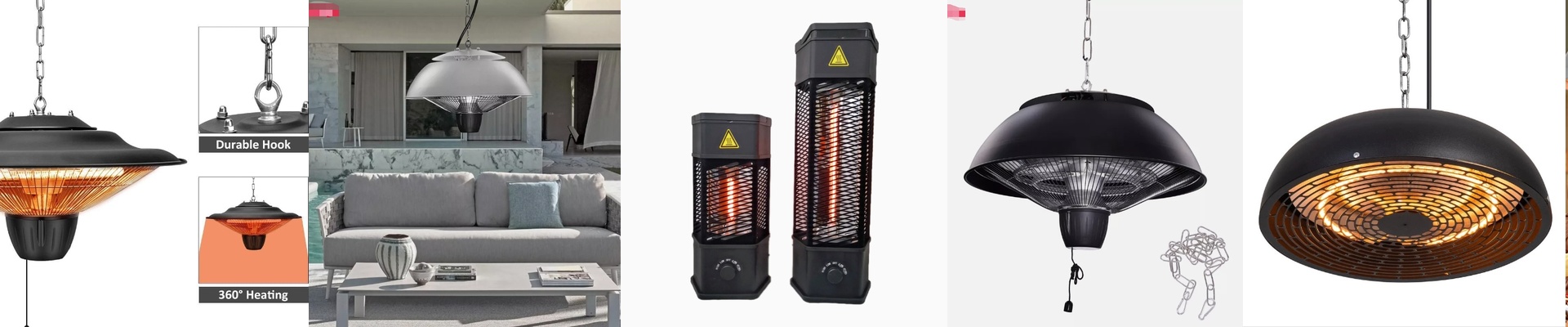
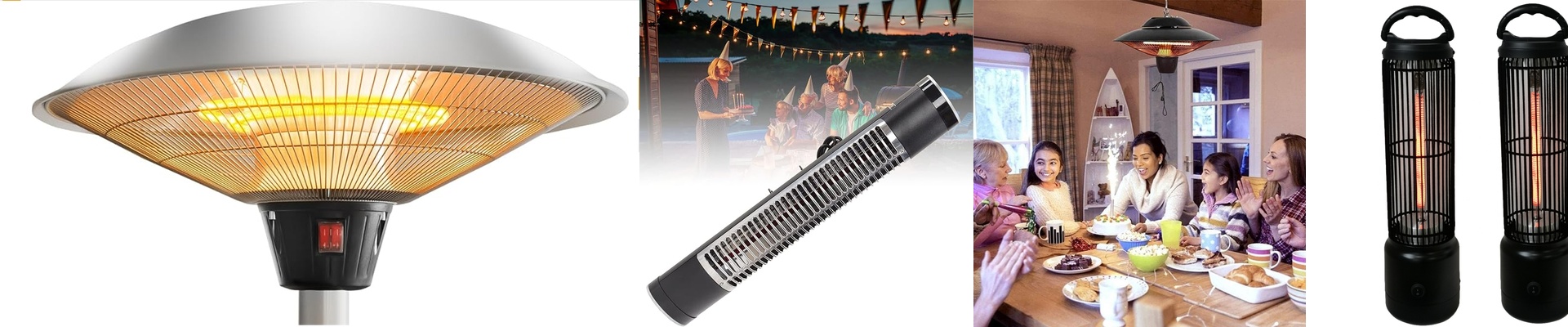
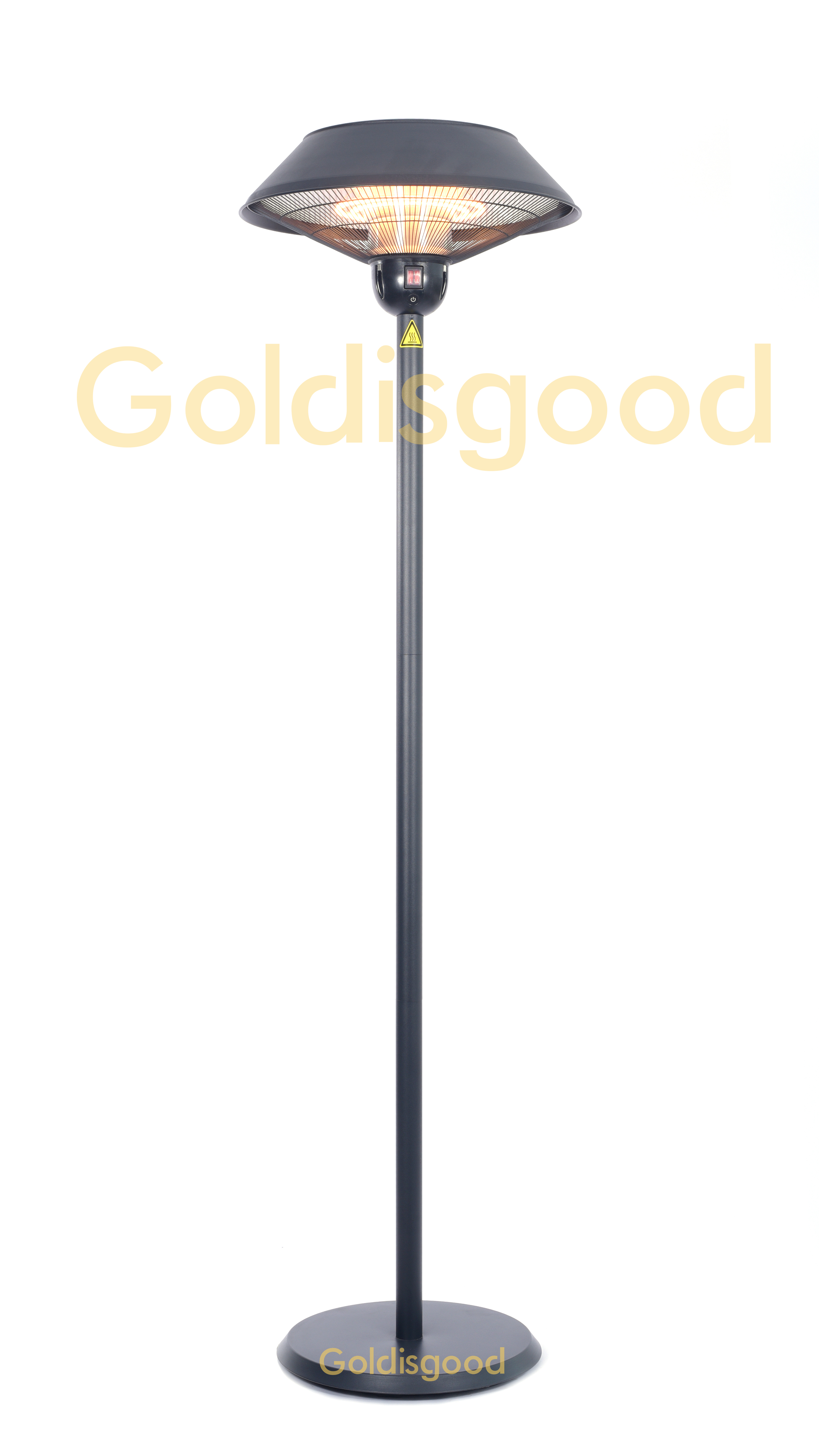
It really comes down to how much space you’re dealing with. If you’ve got a tiny powder room—something under 4 square meters—a small 250W to 400W lamp is plenty. It keeps things cozy without making your electric bill spike. Now, if you’re heating a big master bath (8 square meters or more), you’ll need more muscle. Think 600W to 1000W, or maybe a few smaller lamps spread out. Just a heads-up: more power means more heat, and more heat means you need to be careful about where you put the thing. If you go over 600W, mount it at least 2.1 meters high. Otherwise, it’ll feel like you’re standing under a heat lamp at a buffet, and that’s not a great feeling.
Keeping Things Dry
Water and electricity aren’t friends. That’s why we stick with IPX5-rated housings. In plain English? It means the heater can handle direct splashes without shorting out. We use sealed gaskets and alloys that don’t rust, so moisture doesn’t sneak into the sockets. We use short-wave infrared technology because it’s just faster. Instead of trying to warm up all the air in the room, the heat goes straight to your skin and the surfaces around you. It’s the quickest way to get a damp room feeling dry and warm again.
The Trade-offs
You might think “bigger is better,” but that’s a trap. If you put a 1000W beast in a tiny stall, the thermostat will freak out. It’ll click on, overheat the room in seconds, click off, and then repeat. That “short-cycling” kills the relay and burns out the lamp way faster than it should. Plus, think about your vents. If you’ve got a heavy-duty exhaust fan pulling air out, you’re losing heat. In those cases, you might want to bump your wattage up by about 15% just to keep up with the airflow.