
The Trick to Bathroom Heaters That Don’t Blind You
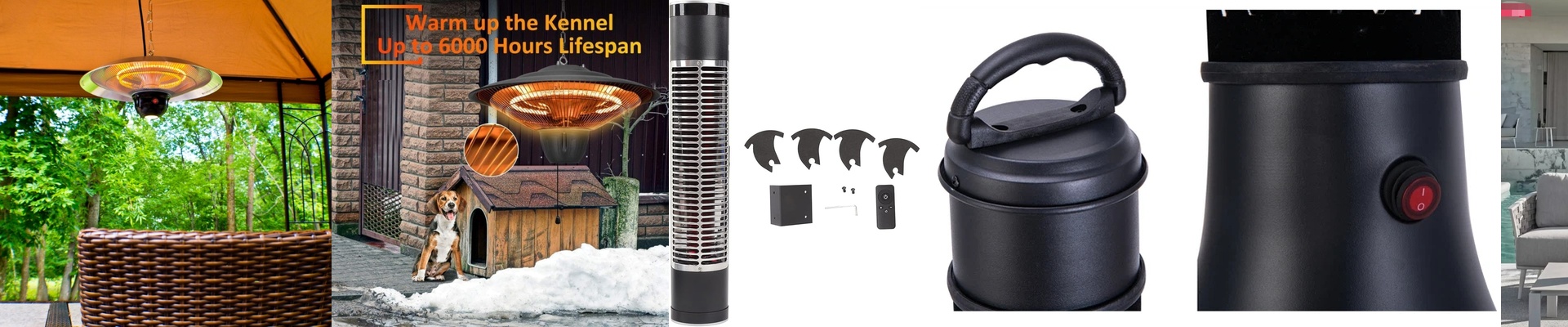
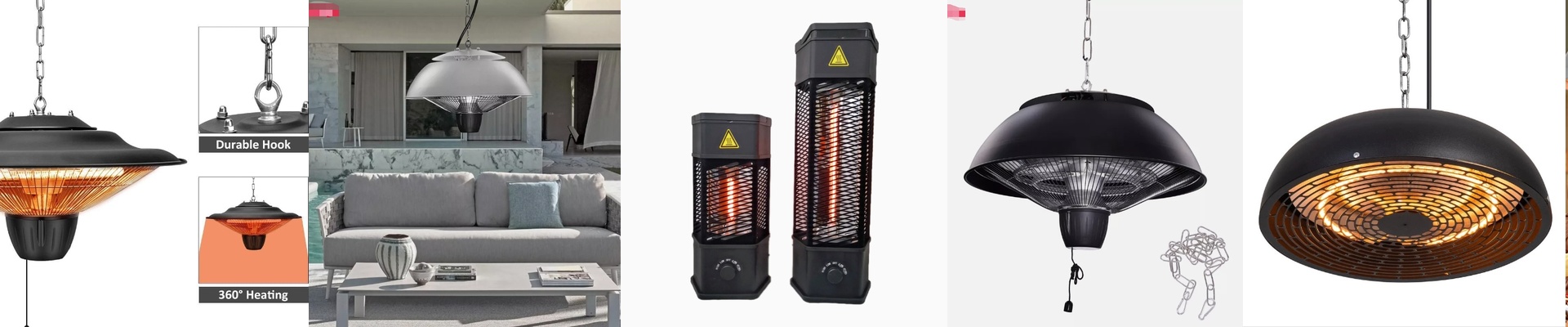
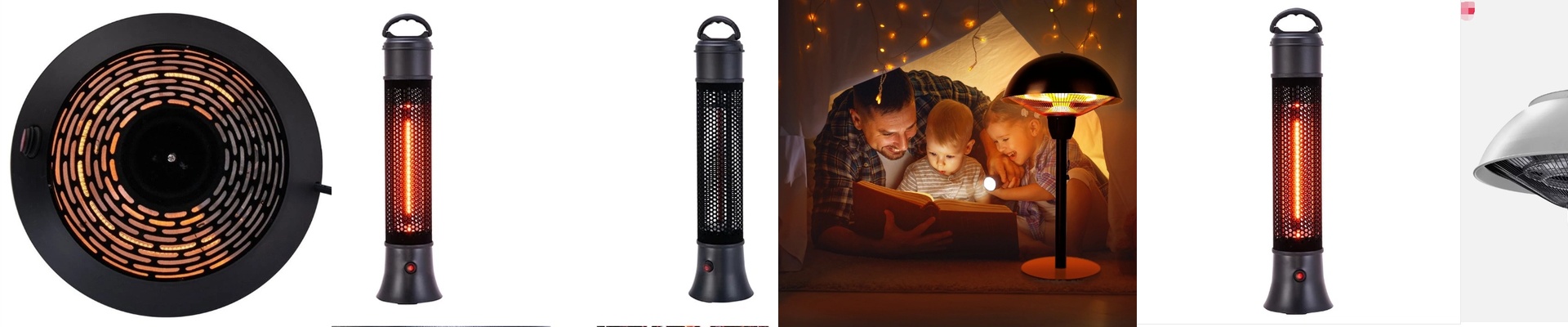
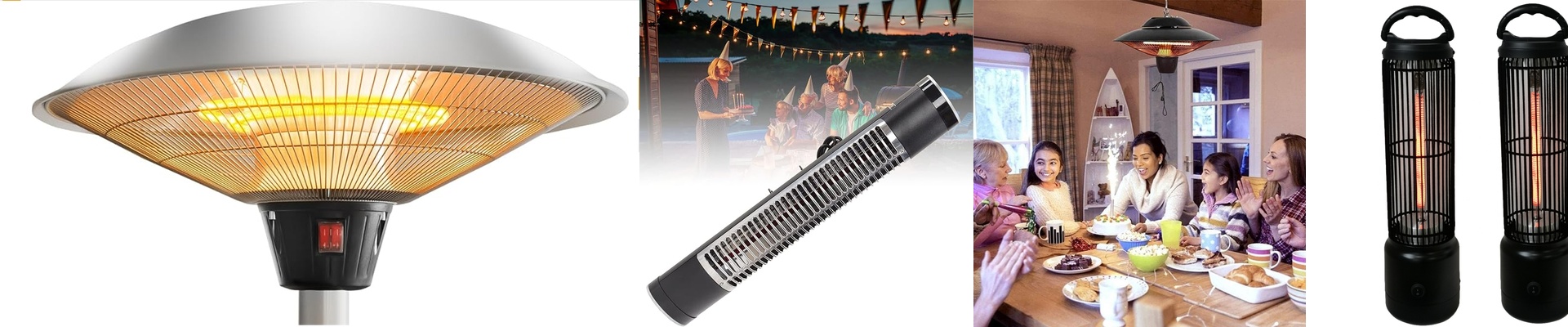
When we’re building infrared lamps for bathrooms, we’re basically fighting a tug-of-war. On one side, you want a blast of heat to warm up a cold room fast. On the other, you can’t have a light so bright it hurts your eyes—especially when you’re bathing a baby. Dealing with the glare Standard short-wave lamps are blinding. They put out a harsh, white glare that just feels wrong in a relaxing bathroom. To stop that, we use special coatings on the quartz or filtered filaments. Think of it like a pair of sunglasses for the bulb. It blocks the visible light but lets the heat slide right through. You get all the warmth without that annoying “staring into the sun” feeling. It keeps things soft and comfortable while still cranking out enough power to dry out a damp room. Keeping water out (and heat moving) Water and electricity are a terrible mix. That’s why we wrap everything in IP65-rated housing—it keeps the steam and splashes from causing a short circuit. But here’s the catch: when you seal a heater that tightly, the heat gets trapped. If you aren’t careful, the internals will basically bake themselves. We use heavy-duty aluminum heat sinks to pull that heat away from the wiring. If the venting is off, the gaskets will melt, and suddenly your “waterproof” heater is leaking. The trade-offs Nothing is perfect. Those eye-protection coatings do block a tiny bit of the heat. You lose a small percentage of raw power to make the light safer. We fix this by tweaking the filament shape to make up the difference. Just a heads-up if you’re installing these: give the housing some breathing room. If it’s crammed too tight against a wall, the heat bounces back and trips the safety switch before the room even gets warm.