Why Most Bathroom Mirror Heaters Die (And How We Fixed It)
Let’s be honest: bathrooms are a nightmare for electronics. You’ve got steam everywhere, random splashes of water, and constant humidity. It’s basically a torture chamber for heating elements. Most heaters just can’t take it—they oxidize, short out, and end up in a landfill way too soon. We wanted to build something that actually lasts. Here is how we did it.
Stopping the Fog Fast
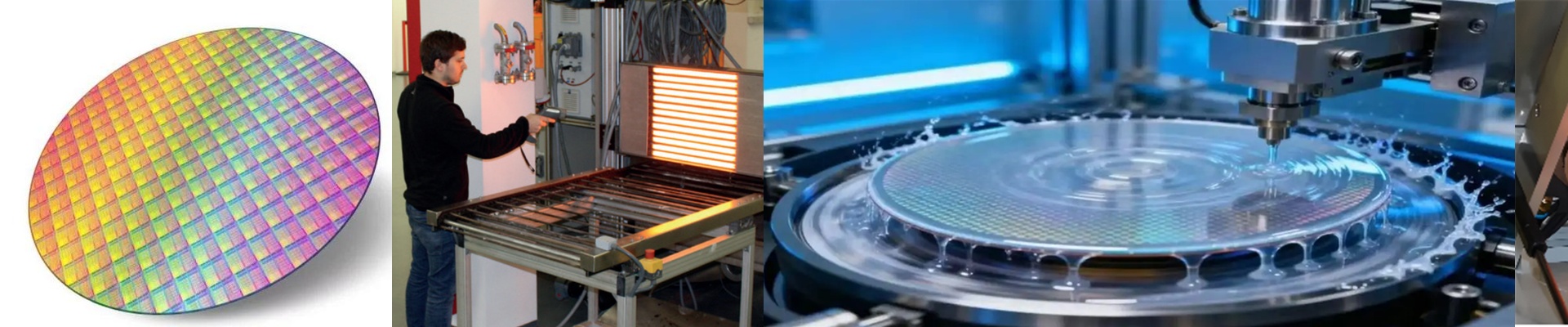
We’ve all been there. You step out of a hot shower and the mirror is just a wall of white. You spend five minutes wiping it with a towel, only to leave streaks everywhere. Our heaters use short-wave infrared to get the glass warm—fast. By pushing the temperature above the dew point in a matter of seconds, the water droplets never even get a chance to stick. No lag, no waiting around. Just a clear view the moment you need it.
Keeping the Water Out
Water is the real killer here. Usually, it’s not the heater itself that fails, but the connection points. Moisture creeps into the terminals, the wires burn out, and suddenly your breaker is tripping. To stop that, we don’t take chances. We use high-grade silicone gaskets and heat-shrink tubing to seal every single entry point. It’s all about keeping the guts of the machine dry. One quick tip: make sure your mounting brackets are properly grounded. If the chassis isn’t grounded, all that fancy splash-proofing doesn’t really matter.
The Heat Struggle
Here’s the tricky part. To keep the mirror slim and sleek, we have to pack a lot of heat into a very small space. It gets hot. Really hot. Because of that, you can’t just use any old glue or plastic for the backing. If you use cheap materials that start to smell or melt at 60°C, your adhesive will fail or the mirror will discolor. It’s a mess. Stick with high-temp industrial adhesives for the installation. It’s the only way to make sure everything stays put and looks great for years.