
Why We Switched to Infrared Curing in the Cleanroom
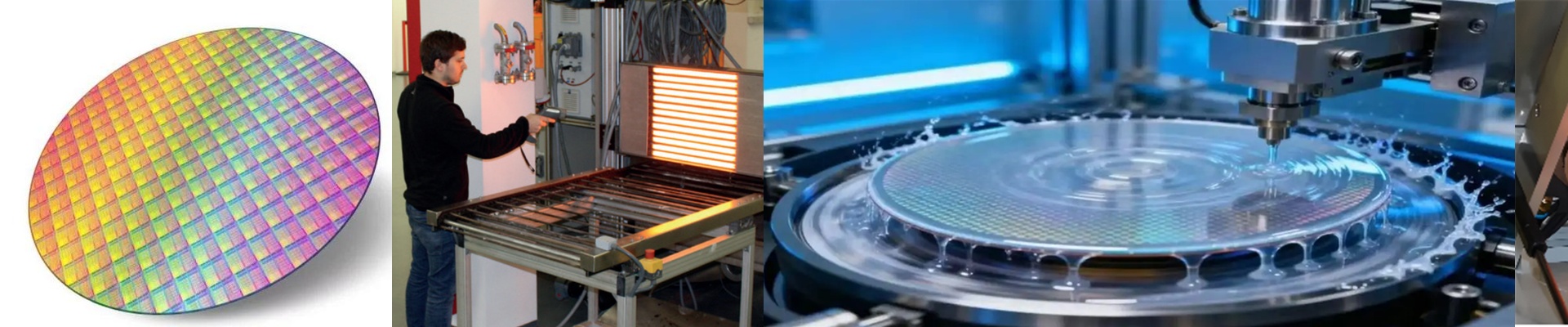
In semiconductor fab, “clean” isn’t just a goal—it’s the whole point. If you leave even a tiny bit of residue during drying or curing, you’ve got a problem. For a long time, people relied on convection ovens. But here’s the issue: those things basically blow hot air everywhere. That air carries dust, and you end up spending a fortune on energy just to keep the room at the right temperature. That’s why we use infrared (IR). Instead of heating the air, IR uses electromagnetic radiation to hit the substrate directly. You aren’t heating the room; you’re heating the part. Simple as that.
Handling Lead-Free Materials
Switching to lead-free solder and adhesives wasn’t exactly a walk in the park. These materials are pickier—they need higher temperatures and much tighter thermal profiles. IR heaters are great here because they ramp up almost instantly. You can hit those high temperature spikes without turning your entire workstation into a sauna. Plus, since it’s a non-contact process, you don’t have to worry about mechanical contamination or particles dancing around in the airflow. It just fits right into an ISO-rated cleanroom without causing a headache.
Power, Heat, and the “Burn” Factor
One of the best parts? No more waiting around for the oven to warm up. An IR lamp hits full power in seconds. You stop wasting kilowatts on the air and put that energy exactly where it belongs: into the photoresist or the adhesive. But it’s not all magic. There is a catch. If your belt speed is off or your dwell time isn’t dialed in perfectly, you can overheat the substrate. You’ve got to have solid PID controllers and pyrometers in place. If your sensors lag even a little bit, you’ll end up scorching your wafers. And trust me, nobody wants to throw away a batch of parts because the sensor was too slow.
Keeping it Green (and Simple)
On the environmental side, IR is a win. There are no combustion by-products and no need for those nasty chemical solvents to move heat around. It cuts down the electric bill and gets rid of VOC-heavy curing agents. For the engineers planning a new line, this is a huge relief. It means a smaller footprint on the floor and a much easier load on the facility’s HVAC system. Less gear, less heat, less stress.