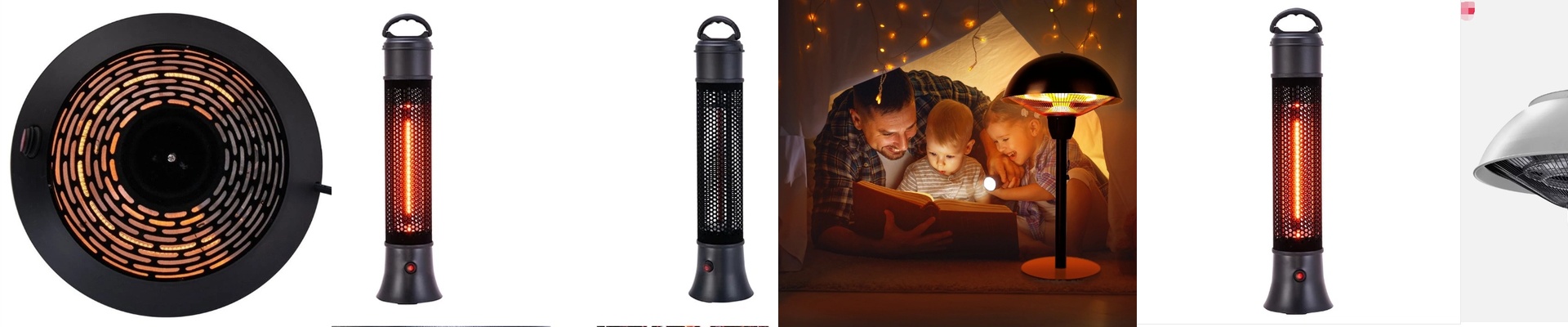
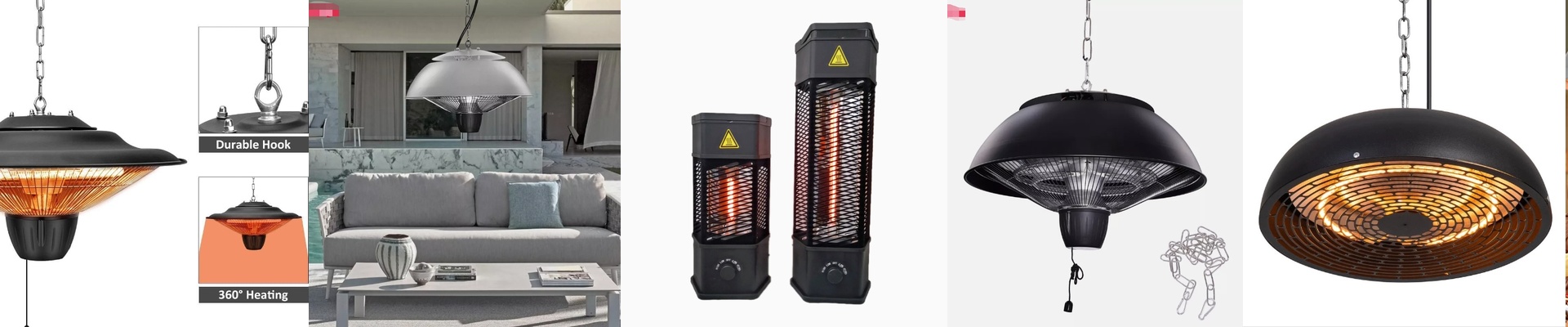
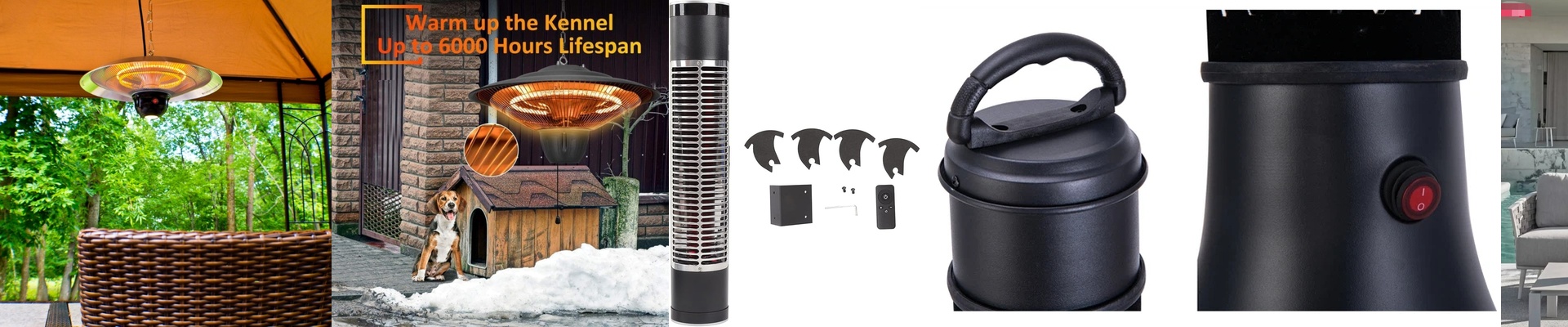
Let’s be honest: factory ceilings are a nightmare. Between the thick dust, the humidity, and that fine mist of airborne oil, it’s a recipe for disaster for most heating equipment. All that grime settles right on the heating elements, creating hotspots that fry your tubes way sooner than they should. We got tired of seeing that happen, so we built our ceiling radiant heaters to actually survive the chaos. We added specific anti-fog and splash-proof guards to keep the guts of the machine safe. Here is why most lamps fail. Standard infrared lamps can’t handle it when a drop of moisture or a bit of oil hits the hot quartz surface. It causes “thermal shock”—basically, the glass cracks instantly. To stop that, we used a sealed housing. It keeps the water and oil mist from ever touching the emitter. We also tweaked the airflow and sealed the electrical junctions to stop “fogging.” If condensation builds up on the lens, it traps heat, and that’s how you end up cooking your internal wiring. Not a great look. Built for the mess. We gave these units a much higher IP rating than your average commercial heater. We’re talking heavy-duty gaskets that keep liquid out of the terminal blocks. It means when you’re hosing down the facility or dealing with a massive humidity spike, you aren’t constantly running back to the electrical panel because a breaker tripped. It just stays on. The honest trade-off. Now, this isn’t magic. There’s a catch. Because the design is sealed tight to protect the electronics, you can’t just grab a rag and wipe the tube down every week. You’ll need to make sure your ventilation is actually doing its job to move the air around. If the air stays stagnant, you’ll get heat buildup inside the housing. But the payoff is huge. In wet-process plants, we’ve seen these things last three times longer than open-element heaters. That means you spend way less time balanced on a ladder replacing burnt-out lamps and more time actually keeping your crew warm. Just a quick tip: if you’re installing these in a high-moisture spot, make sure your junction boxes are rated as high as the heater. You don’t want a cheap box to be the weak link that kills the whole circuit.