


Why We Use Teflon Wiring in IR Semiconductor Systems
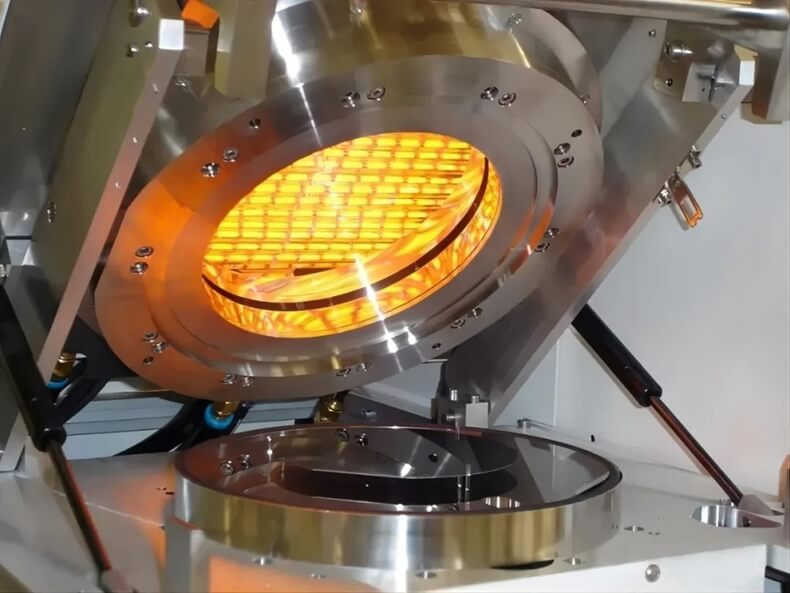
If we want to actually lower the carbon footprint of semiconductor fab, we have to stop relying on those old-school resistive heaters. Switching to high-precision infrared (IR) heating is the way to go because it sends energy straight to the wafer. No middleman. But there’s a catch. To make this work, your wiring has to survive some serious heat without melting into a puddle.
The Deal with Teflon
Imagine having wires just a few inches away from quartz lamps that are screaming hot. If you use standard PVC or silicone, they’ll burn out almost instantly. It’s a nightmare. That’s why we go with Teflon (PTFE). It stays solid and stable up to 260°C. Because it can handle the heat, you can tuck the wiring closer to the source. This makes the whole machine smaller and stops heat from leaking out into the room where it doesn’t belong.
Saving Energy (and the Planet)
Building a “Green Factory” isn’t just about where your electricity comes from. It’s about not wasting the power you already have. IR lamps are great for targeted heating, but they only work if the electrical connection is rock solid. Teflon wires have low capacitance and high dielectric strength. In plain English? They stop leakage currents. This means your heater hits the target temperature faster. When you shave time off the ramp-up, you use fewer kilowatt-hours per wafer. It’s a win for the budget and the environment.
The Trade-offs
Now, Teflon isn’t perfect. It’s stiff. If your machine has tight corners or parts that move a lot, you’ll notice it’s a bit more stubborn to route than silicone. You have to be careful with the bend radius during the design phase. If you bend it too sharply, you risk stress fractures in the insulation. And then there’s the gauge. We make sure the wire thickness matches the lamp’s wattage. If the wire is too thin, you end up losing energy as heat inside the cable itself. That’s just wasting power. Getting the gauge right ensures the IR system runs at its peak, which is the only way to actually hit those decarbonization goals.