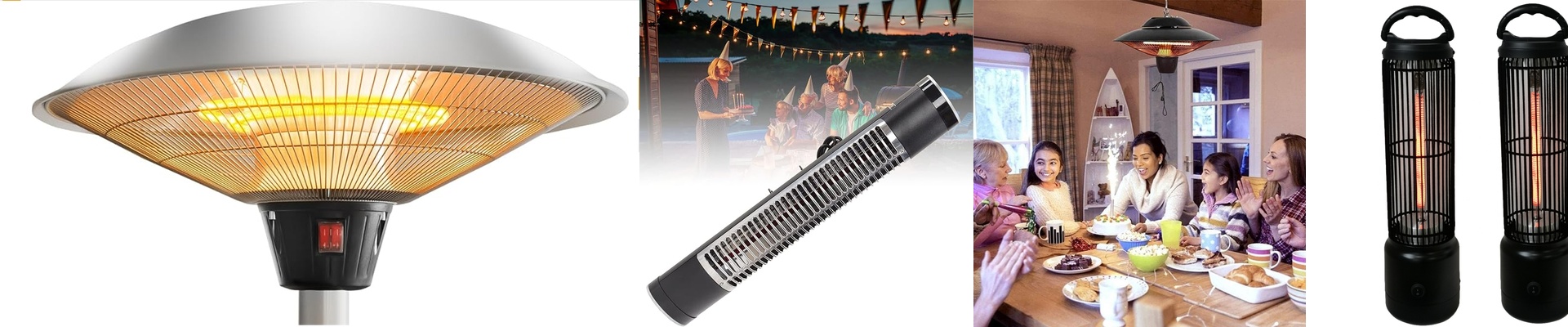

Why Most Industrial Heaters Die (And How We Fixed It)
Here is the truth about industrial infrared heaters: they usually don’t die because the heating element just “gives up.” They die because the world they live in is messy. If you’re dealing with fog, steam, or the occasional water splash, a standard heater is basically a ticking time bomb. That’s why we built our heating tables to the IP44 standard.
What does IP44 actually mean for you?
Forget the technical manuals for a second. In plain English, IP44 means the unit can handle splashes from any direction without panicking. We did this by sealing up the electrical junctions and using gaskets that act like a shield for the heating core. Think of it this way: in a cheap, unsealed unit, steam creeps in and creates tiny shorts across the terminals. It’s a slow death. Our design just blocks those paths entirely.It keeps the circuit clean and the heat flowing.
Water and heat are a nightmare pairing
We’ve all seen it. Water hits a red-hot quartz tube, the glass shocks, and snap—there goes your tube. To stop that from happening, we designed a housing that basically deflects splashes away from the emitter. It’s like giving the heater its own umbrella. One quick heads-up, though: please don’t block the vents. While the shell handles the water, the electronics still need to breathe. If you choke the airflow, things will overheat. It’s a simple trade-off: you get a waterproof shell, but you’ve got to give the unit its breathing room.
Less time fixing, more time working
Most of the headaches on a shop floor come from corrosion. Humidity eats away at connection points until something finally snaps. We switched to treated materials that don’t care about humid air. No more oxidation. No more spending your Tuesday afternoon swapping out a dead unit while the line sits idle. These things are built to take a beating in wet environments and just keep humming along. Just wire it to a properly rated breaker, and the IP44 shell does the heavy lifting.