Stop a Burst Lamp from Killing Your Batch
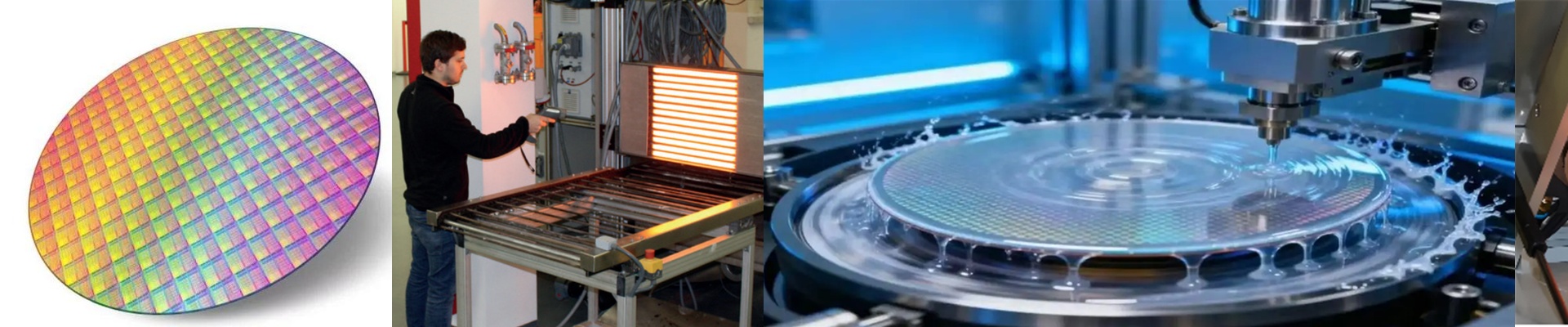
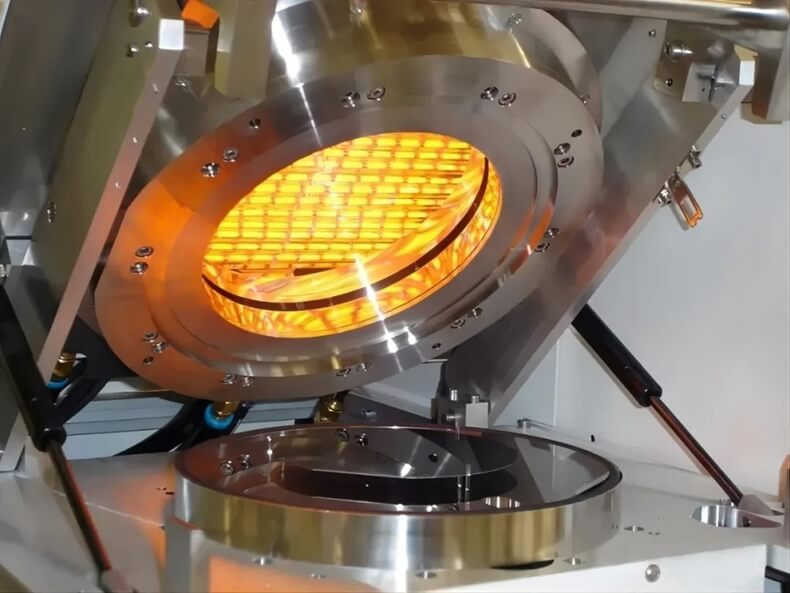
In semiconductor heating, a burst lamp is a nightmare. It’s not just about the heating stopping. When a quartz tube pops under a heavy load, it basically turns into a grenade, showering your wafer surface with glass shards and metallic junk. One pop, and your whole batch is trash. We’ve spent a lot of time figuring out how to stop that from happening. Keeping the mess inside We start with high-purity fused quartz because it can take the hit of rapid heating and cooling without cracking. But we don’t stop there. We add a specialized protective sleeve or a coated barrier around the lamp. Think of it as a safety net. If the inner filament fails, the shards stay trapped inside the sleeve. It turns a total disaster into a simple, controlled shutdown. You lose a lamp, but you save the wafers. Dealing with the heat High-wattage lamps get incredibly hot. If your cooling system can’t keep up with the ambient temperature rise, the ends of the lamp overheat. That puts a massive amount of stress on the seal. To fix this, we tweaked where the filament sits. We make sure the heat hits the wafer, not the lamp supports. This keeps the glass from softening or cracking right where it’s most vulnerable. The honest trade-off Our lamps are designed to be drop-in replacements, so you aren’t staring at a dead line for hours. But here’s the thing: there is a small trade-off. Because those protective coatings are there to keep your wafers clean, they block a tiny bit of the IR transmission compared to a bare tube. You might find you need to nudge your power settings up a bit to keep your ramp-up speeds where you want them. It’s a fair trade. We’d rather you spend two seconds adjusting a setting than two days cleaning up a shattered batch.