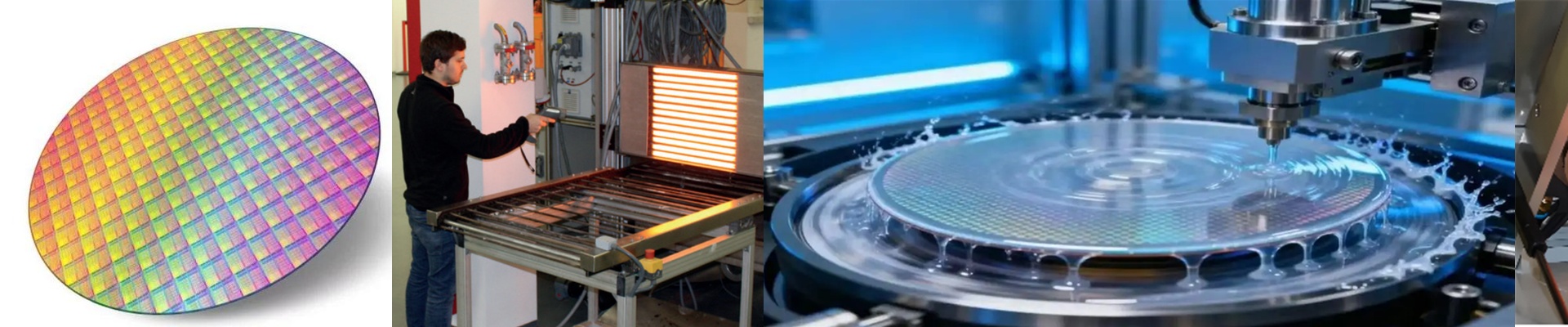
Getting MEMS Wafers Dry Without the Mess
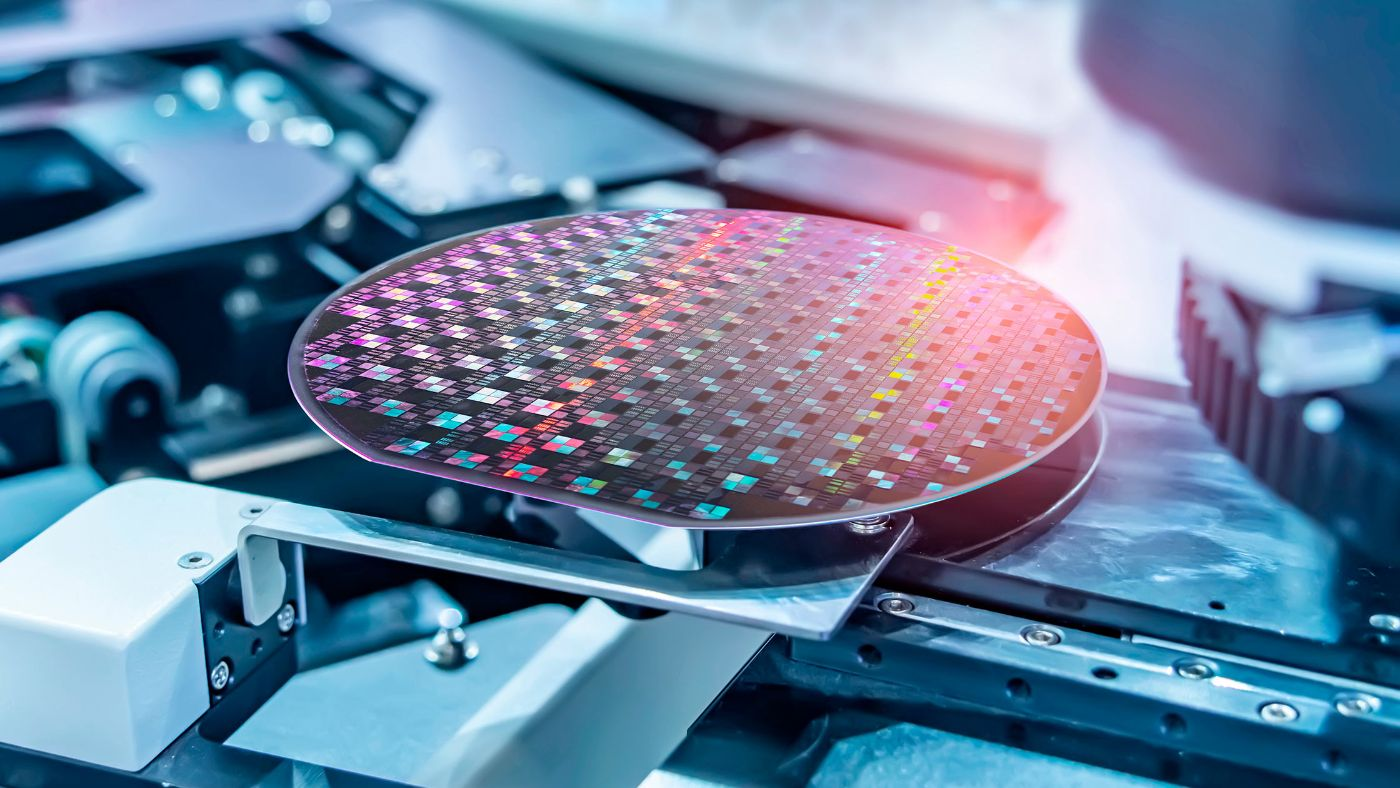
When you’re making MEMS sensors, the last thing you want is a stray piece of dust or a chemical smudge ruining a wafer. But getting moisture and solvents off those surfaces is a pain. For a long time, people just used forced-air ovens. The problem? They’re energy hogs and they rely on blowing air around. In a cleanroom, blowing air is basically just inviting particulates to crash the party. That’s why we shifted to short-wave infrared (IR) heaters. Instead of heating the air, we use radiation. No fans, no circulating wind, and way fewer contaminants.
How it actually works
Think of it this way: IR heaters don’t bother with the air in the room. They go straight for the water molecules and solvent residues. The photons hit the surface, make the molecules vibrate, and the liquid just… vanishes. It happens almost instantly. You aren’t wasting kilowatts trying to heat up a giant metal box; you’re only heating the wafer. It’s a much smarter way to use power.
The “Green” Side of Things
The industry is moving toward lead-free and green standards, and honestly, it’s about time. IR curing fits right into this. You don’t need those sketchy chemical additives that old-school drying agents rely on. There are no VOCs leaking out of the heating element. It’s just clean energy moving from point A to point B.
The Trade-offs (Because nothing is perfect)
Now, here’s the catch. High-intensity IR lamps are incredibly powerful—which is great for speed—but they can be aggressive. If you just slam the power on, that sudden temperature spike can warp your wafer. You’ll feel that thermal stress. To stop that from happening, you need a solid PID controller to keep the power output in check. And a word of warning: those quartz envelopes on the heaters? They’re fragile. Like, really fragile. One clumsy move during a tool change and you’re looking at a broken lamp. We’ve designed these systems to slide right into your old convection setups. You’ll get your wafers through the line faster and your process will be a lot cleaner. Just make sure your cooling system can handle the heat bleed from the lamp housings, and you’re good to go.