

Keeping Your 1500W Ceiling Heaters Running
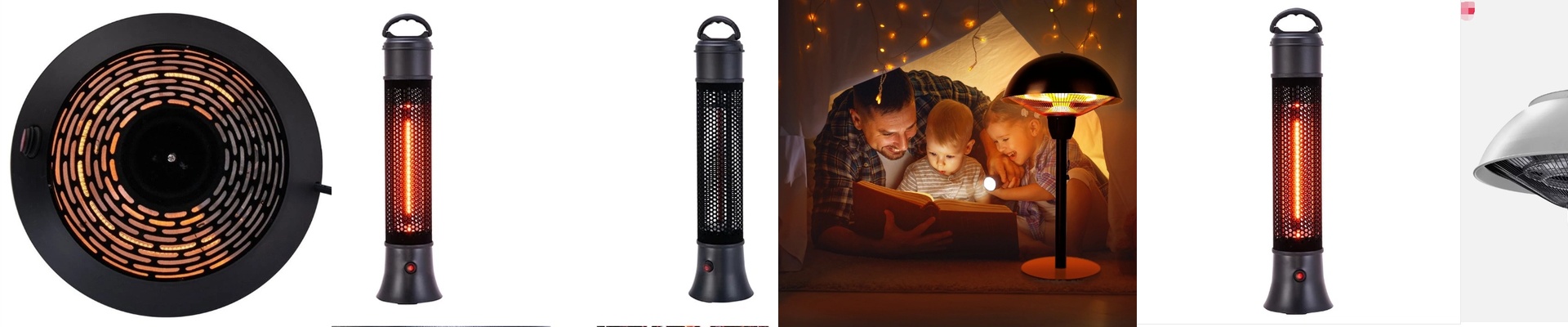
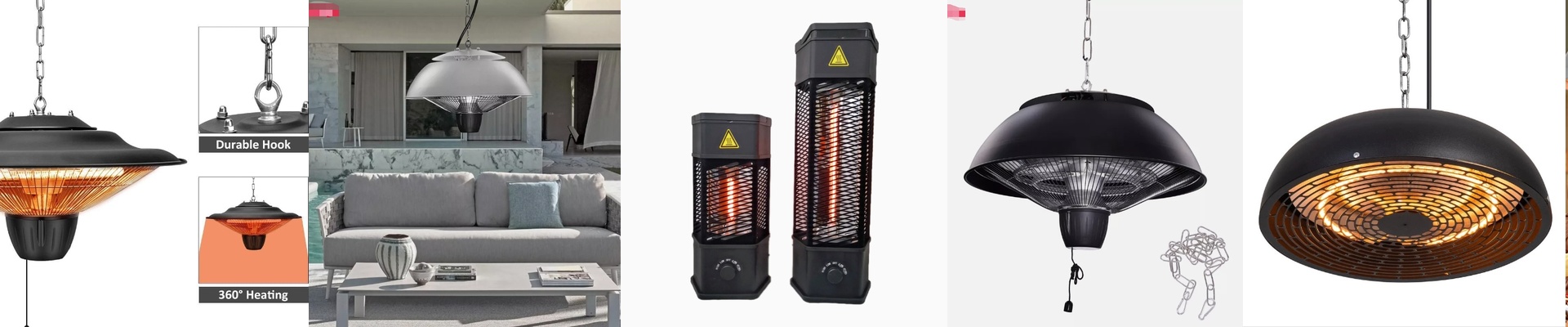
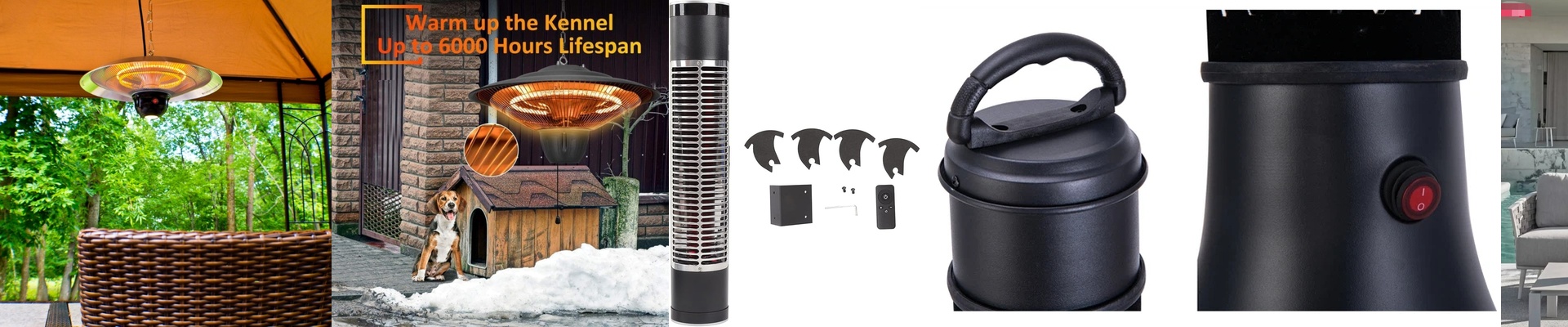
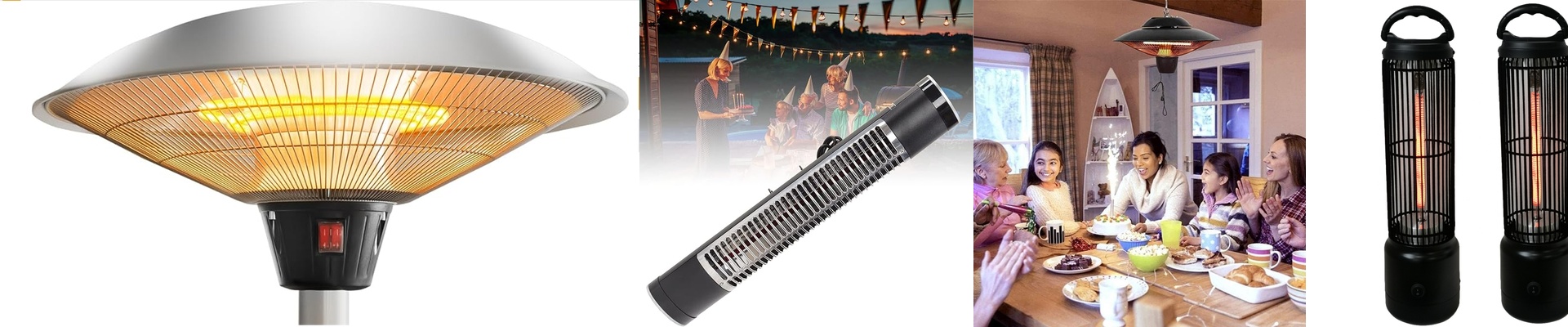
When we built these 1500W infrared heaters, we kept one thing in mind: the five-year mark. Look, it’s just physics. If you’re putting a heater outdoors, the elements are eventually going to wear out. Between the freezing nights and the scorching days, things just burn out. Most companies make “fixed” units, which means when one little part dies, you have to rip the whole thing off the ceiling and throw it in the trash. That feels wrong. So we did it differently. Swap it, don’t scrap it We decided to separate the power housing from the actual infrared emitter. Think of it like a lightbulb. When the tube finally gives up, you don’t tear down the fixture. You just slide the old module out and drop a new one in. It turns a frustrating afternoon of work into a two-minute job. Plus, we used standard connectors. You won’t be balancing on a ladder trying to solder wires or praying you didn’t cross a connection. It just clicks into place. Getting the heat right We went with 1500W because gazebos are basically open boxes—the heat just vanishes into the night air. To fight that, we use shortwave infrared. Instead of trying to warm up the entire backyard, it beams the heat directly onto you. It’s that instant warmth you feel the second you step under it. But a quick heads-up on the power. 1500W is a decent pull. If you try to run four of these on one standard 15A breaker, you’re going to trip it. Just make sure your electrical layout can handle the total load before you install them all. Built to last (mostly) The goal here is for the chassis to stay put for years while only the “consumables”—the tubes—get replaced. We used heat-resistant alloys for the brackets so they won’t warp or bend over time. Sure, the modular design makes the unit a tiny bit larger than those sealed, disposable ones. But in the long run? It’s a much better deal. You replace a tube, not a whole heater.