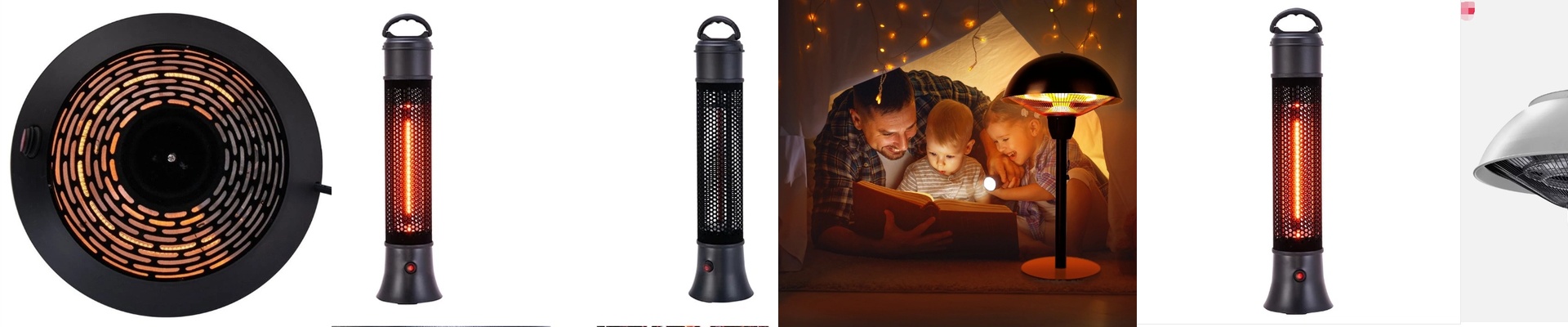
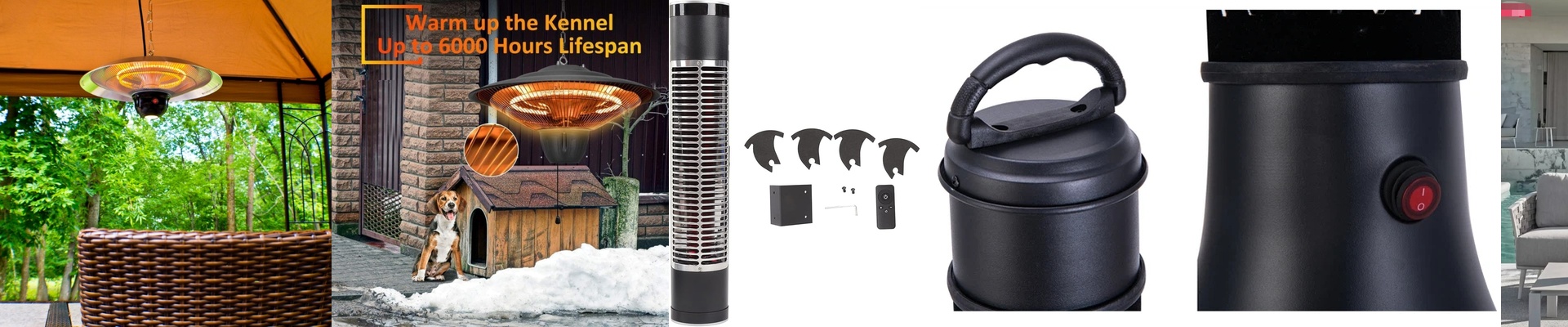
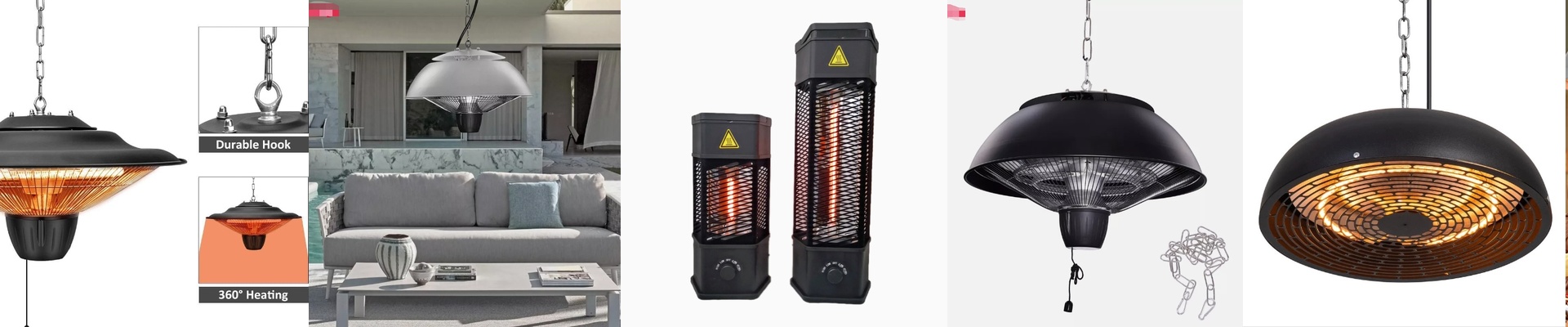

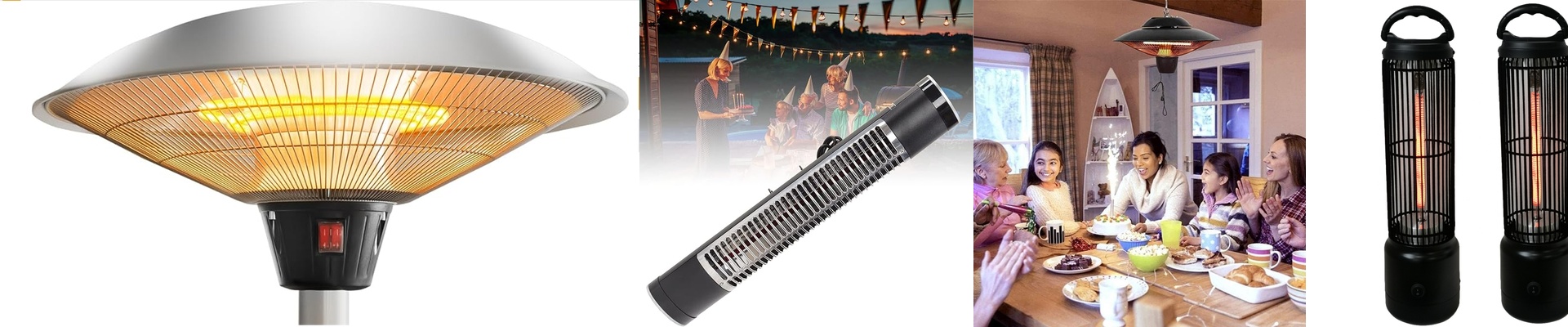
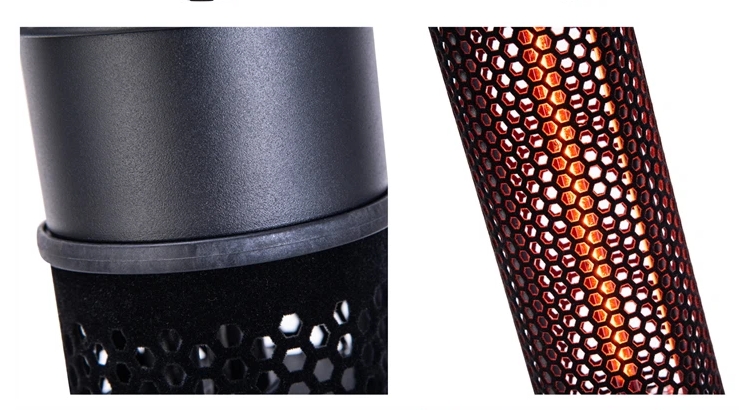
Getting Your Bathroom Heat Just Right
When you’re shopping for a bathroom heater, your first instinct might be to just grab the one with the biggest number on the box. But here’s the thing: more power isn’t always better. It’s really more about how much space you’re actually trying to warm up. We stick with shortwave infrared lamps because they’re smart. Instead of trying to heat up all the air in the room—which is a waste of energy—they beam the heat directly onto you. It feels like stepping into a patch of sunlight on a cold morning.
Finding Your Sweet Spot
If you’ve got a tiny powder room (under 4m²), a single 250W to 400W lamp is plenty. Go any higher in a space that small, and you’ll basically be stepping into a sauna. Not exactly the vibe you want. For those medium-sized bathrooms (4m² to 8m²), I usually suggest a duo of lamps totaling about 800W. If you’re dealing with a massive master bath over 10m², you’ll probably need three or four lamps to make sure there aren’t any cold spots. One quick tip: look up at your ceiling. If it’s higher than 2.8 meters, some of that warmth is going to get lost on the way down. In those cases, you’ll want a bit more wattage just to make sure you actually feel the heat by the time it hits the floor.
The Trade-off: Instant Heat vs. Even Warmth
We use quartz glass tubes with halogen filaments because they kick in almost instantly. A 1000W lamp is incredibly fast, but it can create a “hot spot.” If it’s mounted too low, it can actually feel a bit too intense—maybe even a burn risk if you’re standing right under it. Lower wattage lamps are a bit more gentle and spread the warmth around better, though they take a minute longer to get the room feeling cozy.
A Word on Your Wiring
Before you go all-out with a multi-lamp system, double-check your circuit. If you plug in three 600W lamps, you’re putting a 1.8kW load on one circuit. In an older home with dated wiring, that’s a great way to trip a breaker right in the middle of your shower. If your wiring is old, just scale back the wattage per lamp. And if you want to save some money (and keep your bulbs from burning out too fast), toss in a timer or a sensor. That way, the heat shuts off the second you leave the room. Simple.