
Why we put our bathroom lamps through a “steam torture test”
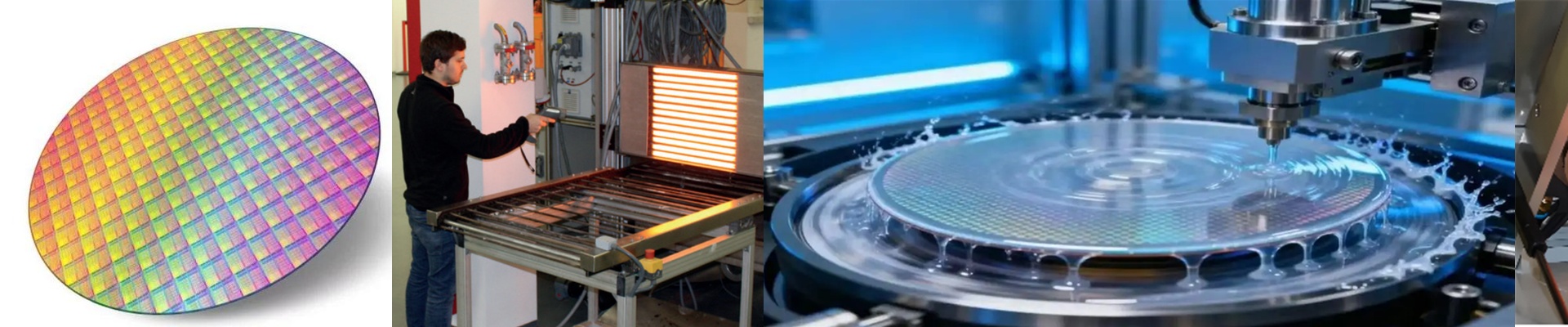
Bathrooms are absolute killers for heating elements. Think about it: you’ve got wild temperature swings and enough humidity to drown a standard infrared lamp in a matter of weeks. We don’t just put these units together and ship them out. That’s a recipe for disaster. Instead, we put every single batch through damp-heat aging tests. Basically, we simulate years of steam and condensation in a fraction of the time.
The battle against moisture
Here is the problem with steam. When it hits a hot quartz tube, it doesn’t just vanish. It tries to find a way in. It pushes against seals and attacks the electrode connections. If a seal gives way, oxygen leaks into the halogen-filled tube. And the second that happens? The filament burns out. Just like that. Gone. That’s why we cycle our lamps through extreme heat and humidity. We force the materials to expand and contract over and over. If a lamp is going to fail, we want it to happen in our lab. Not in your customer’s ceiling.
Watching for the “drift”
Water and electricity don’t mix. We all know that. But moisture on the terminals can cause leakage currents or short circuits that you can’t see with the naked eye. By stressing the lamps in a wet environment, we can keep an eye on the wattage and voltage. We’re looking for “hot spots” where the insulation might have given up. A lamp might look perfect in a dry test, but if it fails the damp test, it’s a liability. It’s a fire risk. So, it doesn’t get shipped. Period.
The trade-off
Honestly, these tests slow us down. They add days to our production cycle and make our lead times a bit longer. But it’s the only way to make sure the lamp doesn’t just pop the moment someone turns on the shower. It means you get a product that actually lasts. Just make sure your installation has decent ventilation so water doesn’t pool on the housing, and you’re good to go.