Introduction
We built this clean room infrared lamp for one simple reason: to give you heat that actually behaves. You know the drill—you need warmth right there, on the spot, but you can’t risk scorching the equipment or wasting energy. So we focused on directional heating. It puts the heat exactly where you want it, and nowhere else. No more wincing at stray radiant heat that’s baking your expensive machinery. Just clean, controlled warmth, right on target.
Power, Voltage, and Output: The Real-World Details
Here’s the heart of it: a 2500W shortwave infrared element that jumps to life when you need it. It heats up fast and recovers quickly after any pause, so your process keeps its rhythm. No waiting around. And we made sure it plays nice with your setup. We offer 400V options to match the power you already have, so there’s no messing around with step-down transformers or rewiring the whole line. Now, it packs a lot of heat into a small space, so you do need to make sure your machine’s cooling system is ready for the extra ambient warmth. But that’s just being straight with you—good prep makes all the difference.
Material and Design: Built to Last
We chose a quartz tube because it handles sudden temperature swings without cracking, and it stays steady even when you’re cycling the heat on and off all day. The element coating does two important jobs: it keeps the output consistent and stands up to the cleaning agents used in clean rooms. No worries about chemical wear. Then there’s the connector. It’s engineered for a solid, repeatable connection—whether you’re using R7s or Sk15. You wire it once, and it stays put, even with daily handling and vibration. And the halogen fill? That’s what keeps the filament temperature steady, shift after shift, so you get heating performance you can count on.
What It Feels Like to Use: Precise Heat, No Surprises
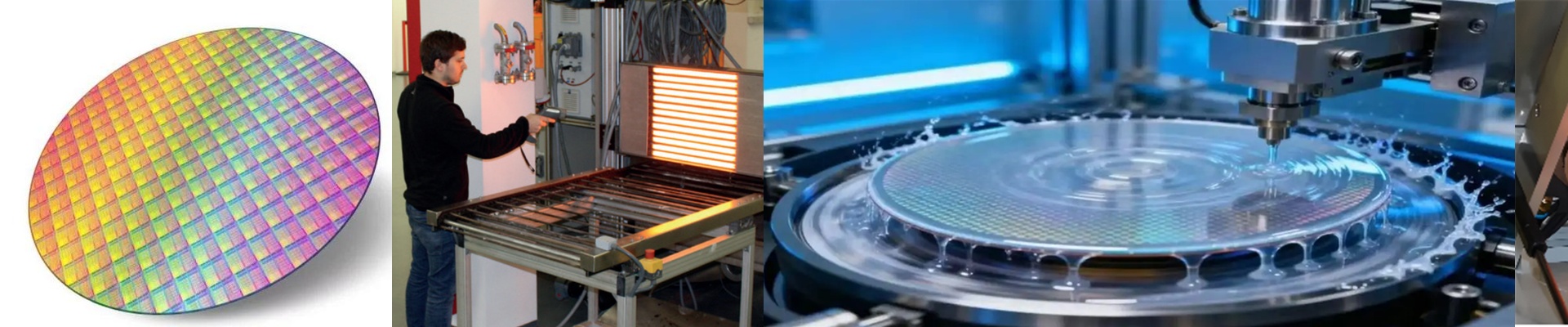
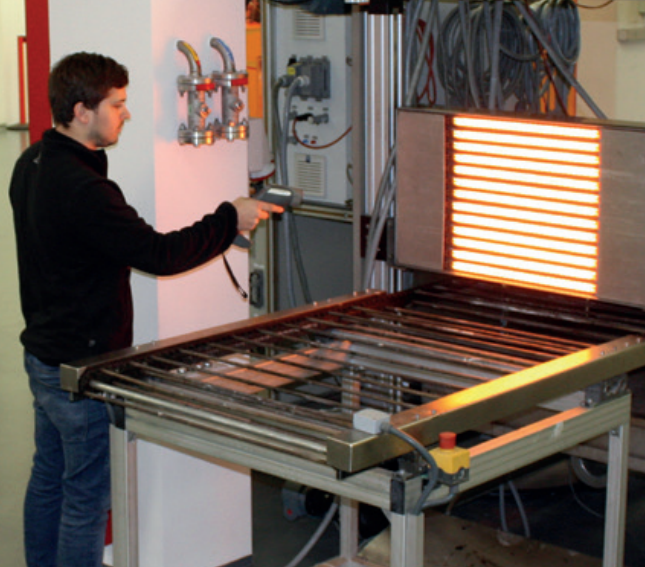
In a clean room bench setup, the directional heating really shines. You feel the confidence of knowing the heat is hitting the target, not drifting onto the machine walls. That means less risk of accidental burns for the team, and far fewer worries about sensitive components getting overheated. The payoff is practical: fewer unplanned stops, fewer rejects caused by temperature swings, and a heating method that just behaves itself in a controlled environment. It’s the kind of improvement you notice every day.